Understanding the Difference Between Elevator Wire Rope and Car Lift Cable
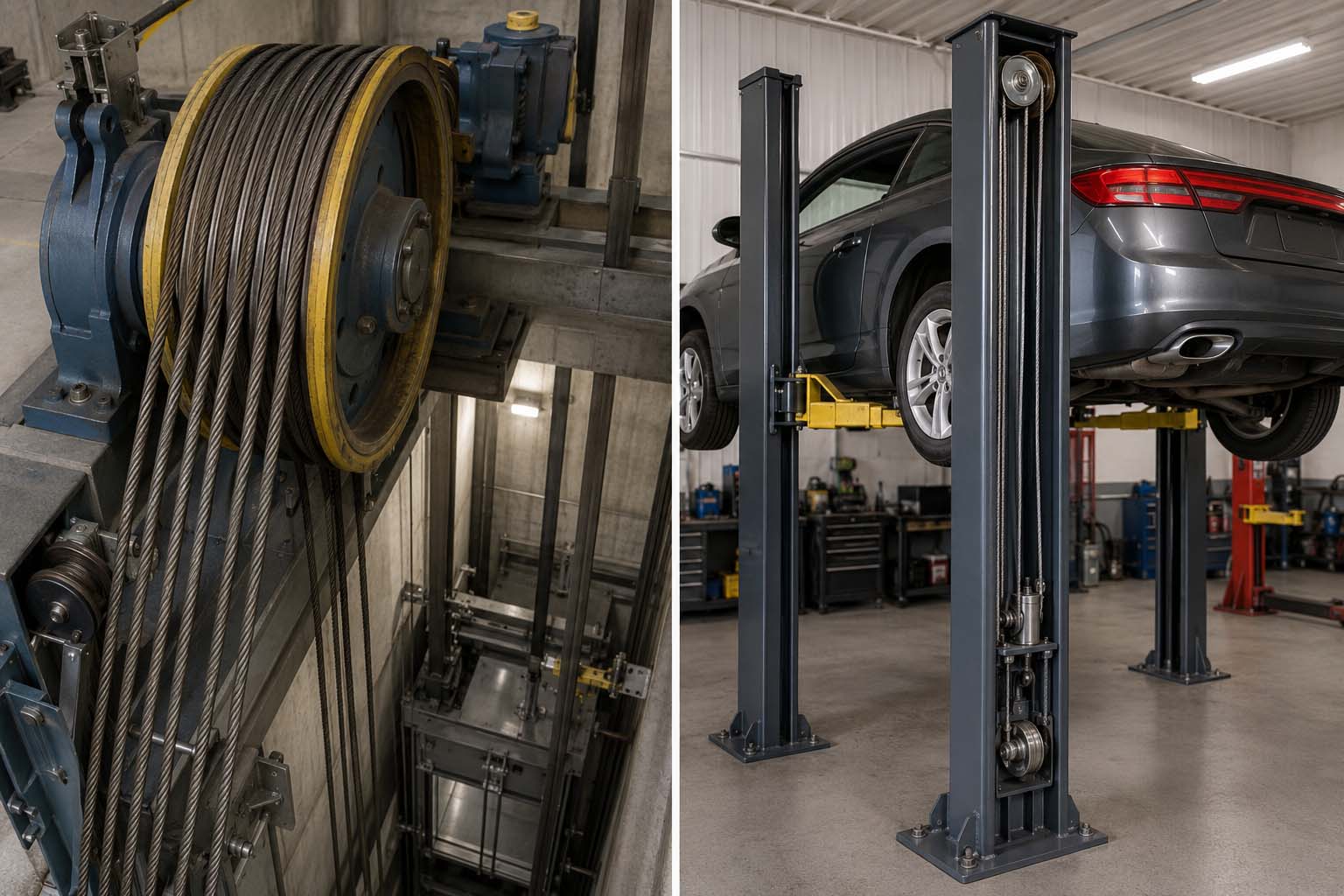
A common and dangerous mistake is thinking all heavy-duty lifting cables are exactly the same. However, understanding the difference between elevator wire rope and car lift cable is vital for safety and code compliance. While a mechanic's lift and a passenger building lift both move heavy loads, the elevator wire rope is built to entirely different engineering standards. This article explains why an elevator steel rope is made for constant movement and why you can never use a car lift cable in a passenger elevator.
1. Daily Use and Bending Fatigue
A passenger elevator inside a busy building can run thousands of trips a day. The elevator wire ropes constantly bend and straighten as they travel over pulleys at high speeds. Because of this non-stop action, a steel wire rope for elevator use is built to resist "bending fatigue."
In contrast, a car lift in an auto shop is used only a few times a day. Car lift cables are made for holding heavy, static loads. They do not have the flexibility to survive the high-speed, continuous bending that a wire rope elevator system demands. If used in an elevator, a car lift cable will break very quickly.
2. How They Grip the Pulleys (Friction vs. Winding)
Elevators and car lifts move weight in different ways. Passenger elevators work on friction. The wire rope for elevator traction simply rests in the grooves of the motor's pulley. To grip perfectly without slipping, the rope must be very round. This is why an elevator steel wire rope usually has 8 or 9 outer strands.
Car lifts usually work by winding the cable onto a large metal drum. They mostly use simpler 6-strand cables. If you put a 6-strand car lift cable onto a traction elevator pulley, it will not fit the groove properly. It will wear out the metal pulley quickly and cause the cabin to slip dangerously.
3. Strict Safety Rules and Factors
Because passenger elevators carry people automatically, safety rules are extremely strict. The safety factor for a wire rope for elevators is usually 10:1 or 12:1. This means the cables are strong enough to hold 10 to 12 times the actual maximum weight of the full cabin.
Car lifts carry empty vehicles and are operated by a mechanic standing right next to the machine. Their safety factor is usually much lower, around 4:1 to 6:1. A steel wire rope elevator system always requires far greater strength margins to guarantee human safety during daily travel.
Conclusion
In summary, you cannot swap these two cables under any circumstances. The difference between elevator wire rope and car lift cable comes down to bending flexibility, strand design, and strict safety margins. A car lift cable is great for lifting cars a few times a day, but an elevator wire rope is a highly engineered part made for constant, safe passenger travel. Always ensure you are sourcing the exact, correct cable for your specific lifting needs to avoid dangerous failures.
Applications of Steel Wire Rope in Modern Elevators: An Elevator Wire Rope Guide
Essential Elevator Wire Rope Discard Criteria and Replacement Guide
Related Article

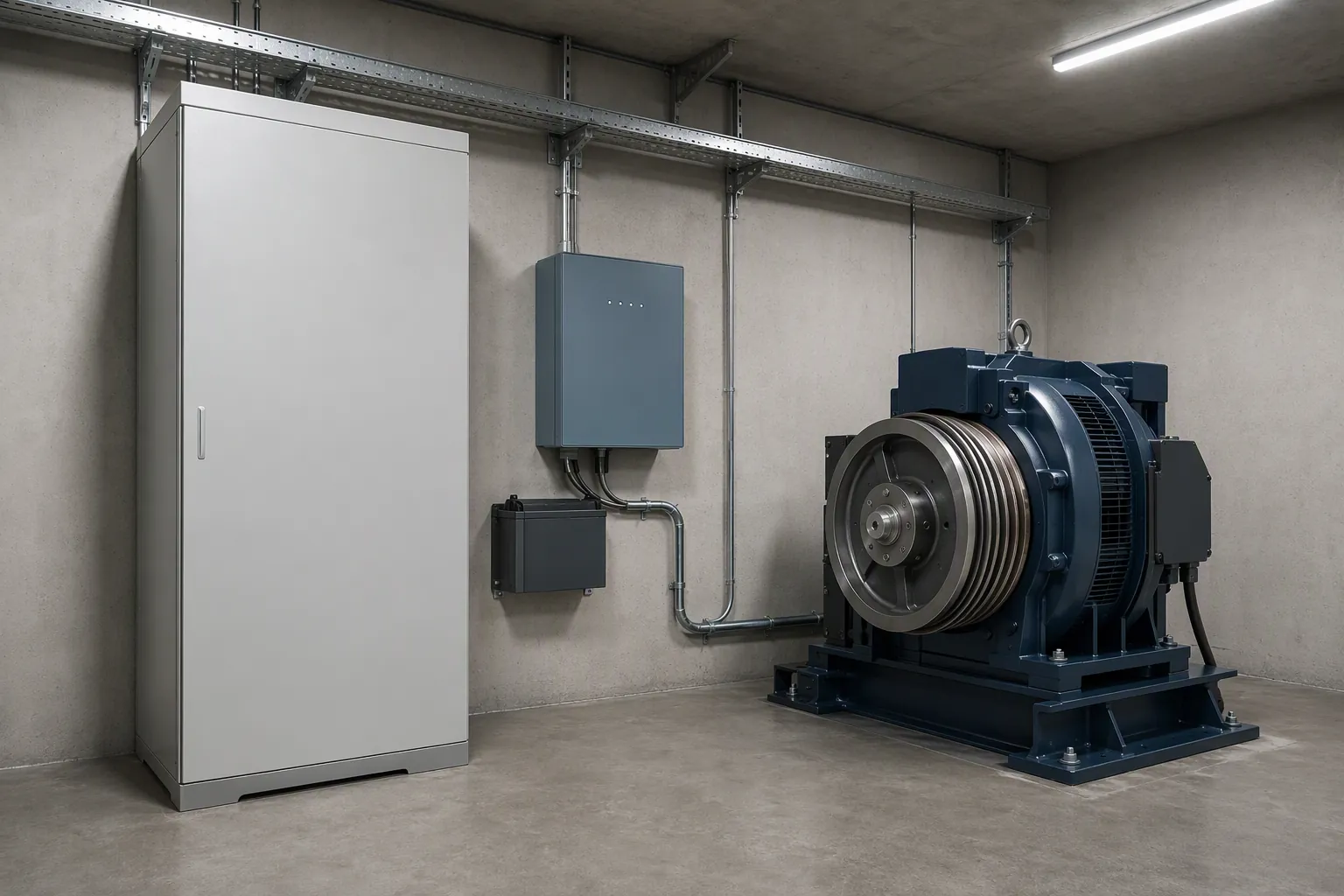

A traction machine does not wind the ropes onto a drum. It grips them.