
WHY DOES THE ELEVATOR RUST?丨Potensi Elevator
author: Potensi-Ella
2021-10-14

Many people have a misunderstanding about stainless steel, thinking that stainless steel will never rust. In fact, stainless steel is made of iron-chromium alloy mixed with other trace elements, and its corrosion resistance is good. The reason is that a passivation film is formed on the surface. Although the degree of oxidation of stainless steel varies according to the conditions of use, it is eventually oxidized. This phenomenon is usually called corrosion.
In reality, once the rust is found on the stainless steel surface of the elevator, measures must be taken to deal with it. Otherwise, some serious accidents may occur, and there may even be casualties. Therefore, we must learn more about the maintenance methods of the stainless steel surface of the elevator.
How to Choose Elevator Button? 丨Potensi Elevator
WHY THE ELEVATOR JITTER AND SHOCK SOMETIMES?丨Potensi Elevator
Related Article

Yes, most lift doors have a sensor — but not all, and not the same type. How to tell what your door has in three checks, and what the sensor still cannot cover.
Do Elevator Doors Have Sensors? The Straight Answer
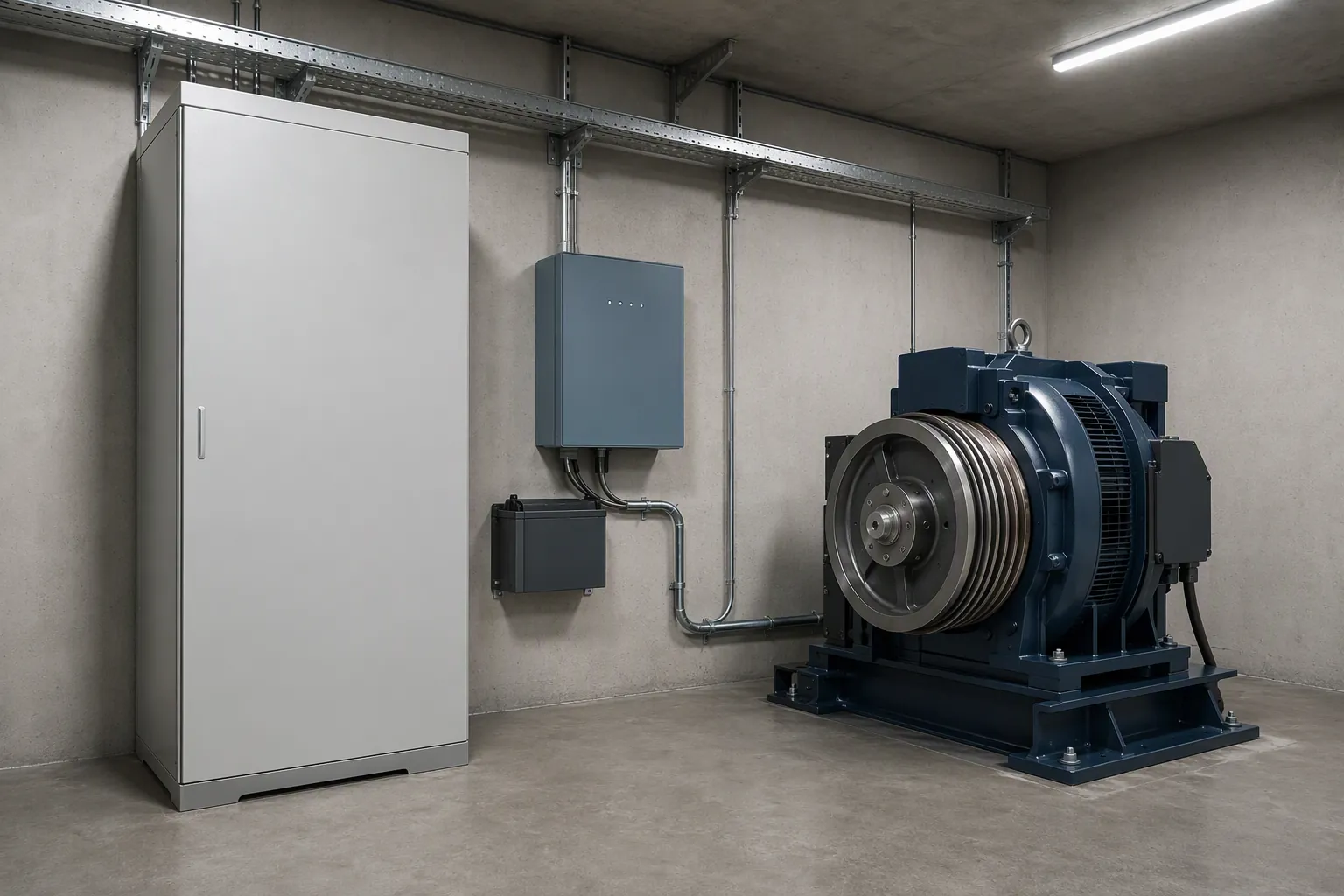
What an elevator ARD is, how the automatic rescue device works, what 220V and 380V models mean, how to size one for your lift, and what drives the price.
Elevator ARD: Automatic Rescue Device Guide & Specs
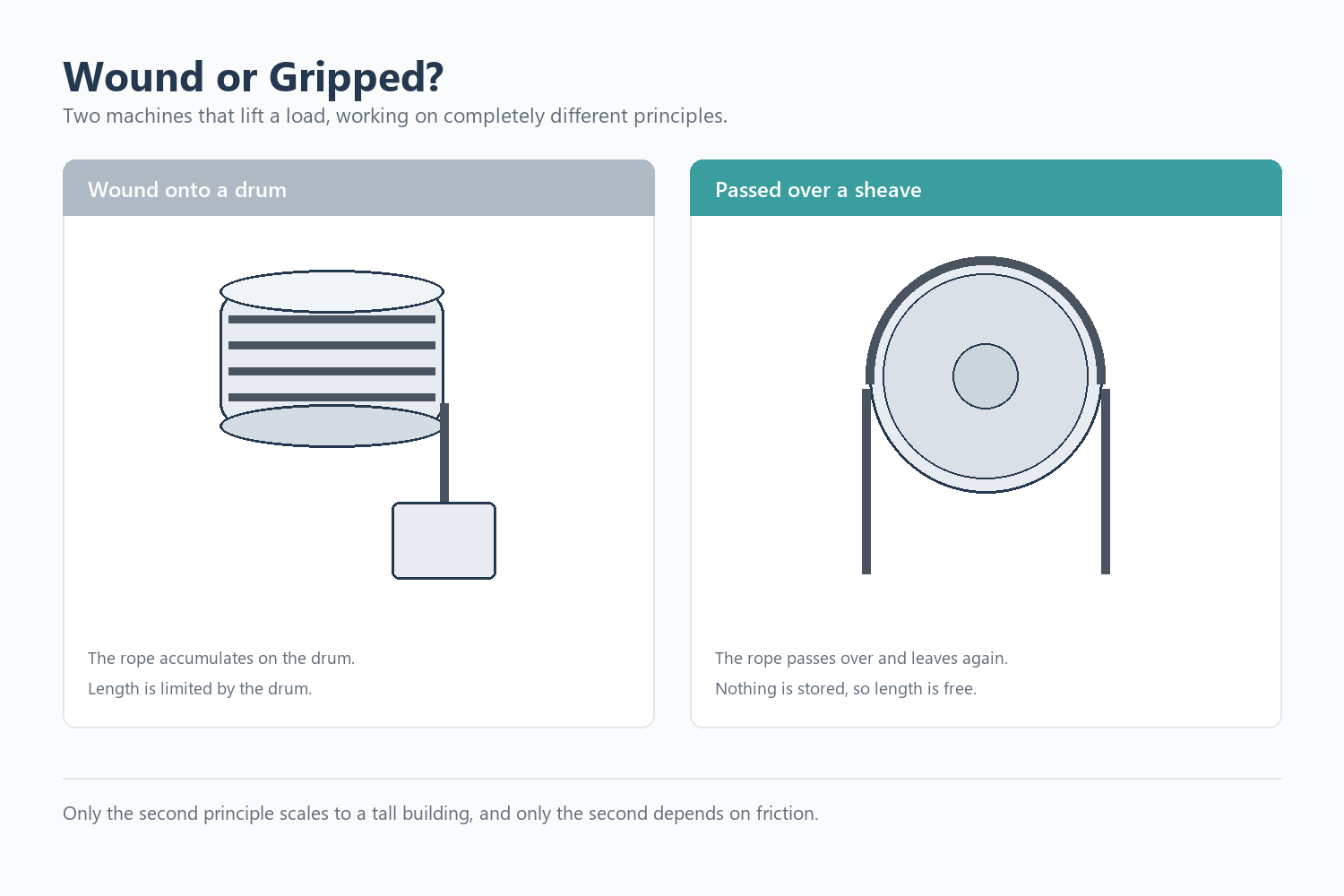
Most explanations of how an elevator traction machine works say the same thing: the motor turns a wheel, the wheel moves the ropes, the car goes up. That is true, but it skips the part that actually explains the machine.
A traction machine does not wind the ropes onto a drum. It grips them.
A traction machine does not wind the ropes onto a drum. It grips them.
How an Elevator Traction Machine Works
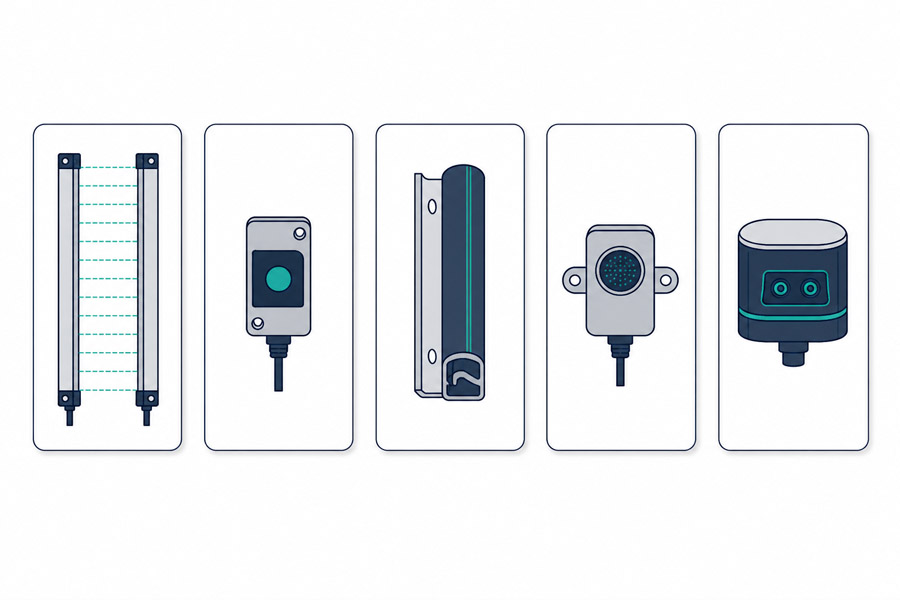
Elevator door sensor types fall into five groups: infrared light curtains, photo eyes, mechanical safety edges, ultrasonic sensors, and 3D sensors. This guide covers each type, how to identify the one you already have, and which to choose.
Elevator Door Sensor Types: How to Identify and Choose