KONE MX18 Traction Machine Repair & Maintenance Tips
Elevator maintenance personnel understand that minimizing downtime is critical to keep operations running smoothly, ensure passenger safety, and prolong equipment life. One of the key components in modern elevator systems is the KONE MX18 traction machine. As a vital part of the elevator’s drive system, the MX18 demands careful repair and maintenance to prevent unexpected breakdowns. In this guide, we share essential repair and maintenance tips for the KONE MX18 traction machine. Our goal is to provide clear, actionable steps that you can incorporate into your routine maintenance checklist. Moreover, we will explain why choosing high-quality parts from a trusted elevator parts supplier, such as POTENSI, is vital to your success.
Understanding the KONE MX18 Traction Machine
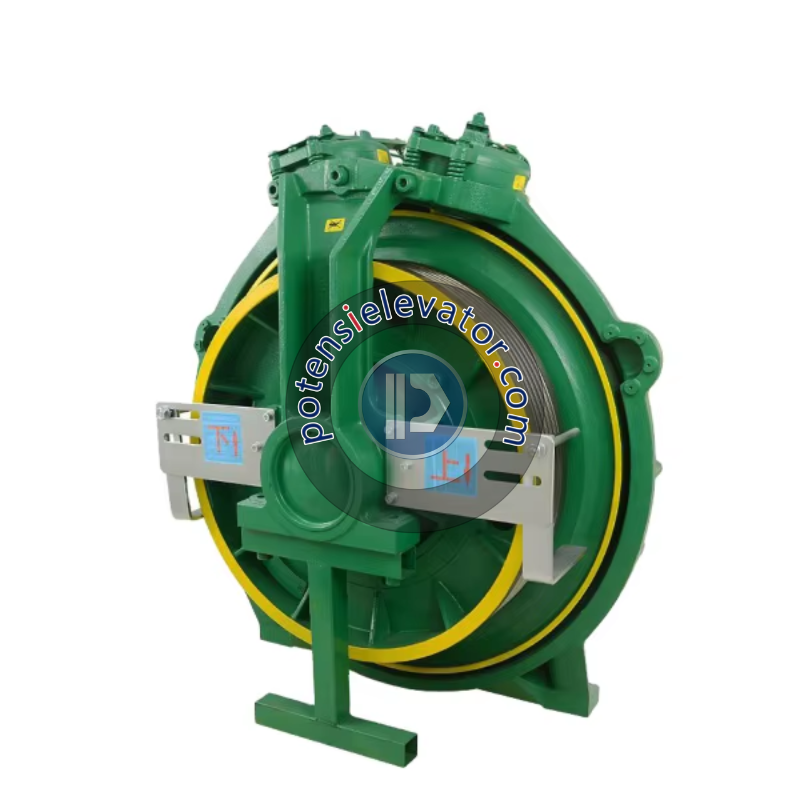
The KONE MX18 is a state-of-the-art traction machine that plays a central role in driving the elevator. Its robust design, advanced technology, and reliable performance make it a popular choice in various applications—from commercial towers to residential buildings.
Key Features and Specifications
- High Performance: The MX18 traction machine is engineered for efficiency and durability, ensuring smooth acceleration and deceleration.
- Compact Design: Its compact form factor allows for easy installation in diverse elevator configurations.
- Advanced Safety Features: Integrated sensors and control systems help in monitoring performance and detecting issues early.
- Energy Efficiency: Designed to optimize energy consumption, reducing operating costs over time.
For maintenance personnel, understanding the inner workings of the KONE MX18 is essential. A solid grasp of its features will help you identify potential issues and streamline repair processes when maintenance is required.
Common Issues with the KONE MX18 and How to Identify Them
Even with a high-quality machine like the KONE MX18, regular maintenance is key to keeping it in top condition. Over time, certain issues may arise that signal the need for repair or adjustment. Here are some common issues and how to spot them:
1. Unusual Noises
- Symptoms: Grinding, whining, or unusual mechanical sounds during operation.
- Possible Causes: Worn-out bearings, misaligned components, or insufficient lubrication.
- Action: Listen carefully during operation; if you detect abnormal noises, investigate the source immediately.
2. Irregular Acceleration or Deceleration
- Symptoms: The elevator experiences jerky movements, or the speed fluctuates unexpectedly.
- Possible Causes: Issues with the motor or gearbox, sensor misalignment, or control system errors.
- Action: Compare current performance with previous records. A noticeable change in acceleration patterns may indicate a need for calibration or repair.
3. Overheating
- Symptoms: The traction machine becomes excessively warm or shows signs of thermal stress.
- Possible Causes: Electrical issues, poor lubrication, or component wear.
- Action: Use temperature monitoring tools during maintenance checks. Overheating should be addressed promptly to avoid further damage.
4. Excessive Vibration
- Symptoms: Noticeable vibrations during operation, sometimes accompanied by rattling.
- Possible Causes: Misalignment of components, loose mounting bolts, or worn-out parts.
- Action: Perform a thorough inspection of the mounting and alignment. Tighten any loose bolts and replace worn components as needed.
5. Error Codes and Fault Signals
- Symptoms: The control system displays error codes or fault messages.
- Possible Causes: Electronic or sensor issues or even software glitches.
- Action: Refer to the troubleshooting guide provided in the KONE MX18 manual. Document error codes to assist in diagnosing recurring issues.
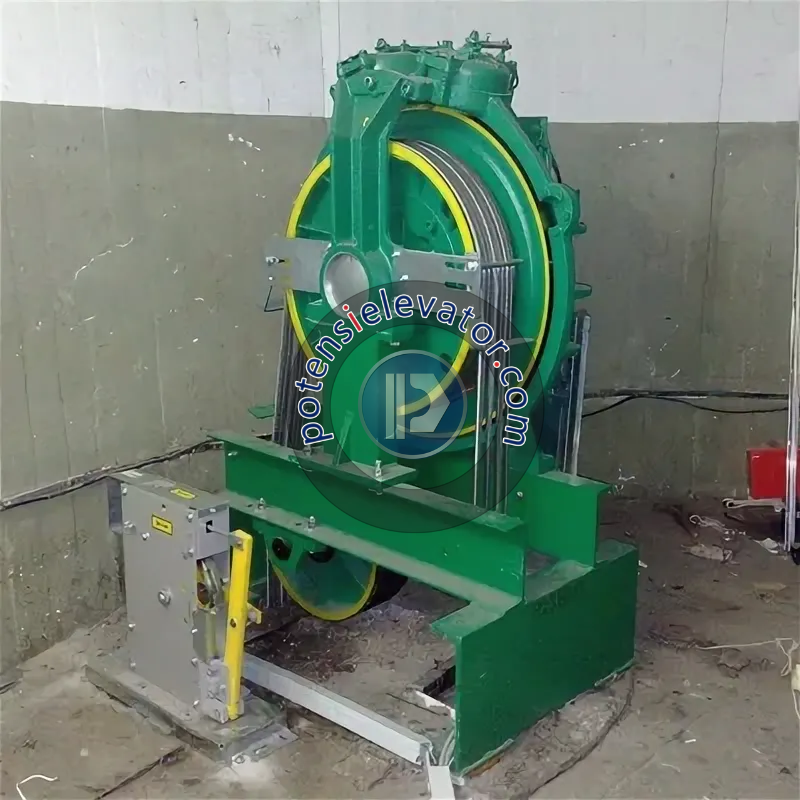
Regular maintenance is the cornerstone of preventing downtime. By implementing a structured maintenance plan, we can ensure the longevity and optimal performance of the KONE MX18 traction machine.
1. Regular Inspection of Motor and Gearbox
- What to Do: Inspect the motor housing and gearbox for signs of wear or damage.
- Why It Matters: Early detection of wear can prevent costly repairs and unplanned downtime.
2. Monitor Brake Function
- What to Do: Test the brakes periodically to ensure they engage and release correctly.
- Why It Matters: Proper brake function is crucial for both safety and smooth operation.
3. Check Encoder and Sensor Alignment
- What to Do: Verify that all sensors and encoders are correctly aligned.
- Why It Matters: Misaligned sensors can lead to improper acceleration or deceleration, increasing wear on the system.
4. Tighten Bolts and Secure Connections
- What to Do: Regularly check and tighten all mounting bolts and connections.
- Why It Matters: Secure components reduce vibrations and prevent misalignment, extending the lifespan of the machine.
5. Lubrication Best Practices
- What to Do: Follow the manufacturer’s guidelines on lubrication frequency and type.
- Why It Matters: Adequate lubrication minimizes friction and wear, ensuring smooth operation.
6. Record Keeping and Trend Analysis
- What to Do: Maintain detailed logs of maintenance activities and observations.
- Why It Matters: Historical data helps in identifying recurring issues and planning preventive measures.
Repair and Troubleshooting Guide
Despite regular preventive maintenance, occasional repairs are inevitable. Having a systematic approach to troubleshooting can save time and reduce downtime.
1. Step-by-Step Diagnosis
- Initial Assessment: Begin with a visual inspection and listen for unusual sounds.
- Data Gathering: Check operational logs and error codes from the control system.
- Physical Testing: Test components individually—such as the motor, brakes, and sensors—to identify the faulty part.
2. Component Replacement
- When to Replace: Replace components like motor brushes, bearings, or brake elements if they show signs of significant wear or damage.
- Quality Assurance: Always source genuine parts to ensure compatibility and reliability. We recommend using trusted parts from reputable suppliers.
3. System Reset and Calibration
- After Repair: Once repairs are completed, perform a system reset and calibration to ensure all components are in sync.
- Verification: Run a full test cycle to confirm that the machine operates smoothly without any errors.
4. When to Call in Professionals
- Minor Issues: Routine adjustments can often be handled by maintenance personnel.
- Major Problems: For complex issues or when troubleshooting doesn’t resolve the problem, professional service is recommended. Certified technicians have the tools and expertise to conduct thorough diagnostics and repairs.
Choosing a Reliable Elevator Parts Supplier
One of the most critical decisions in repair and maintenance is sourcing high-quality parts. The longevity and performance of the KONE MX18 depend heavily on using genuine, reliable components.
Why Quality Matters
- Durability: Genuine parts are designed to withstand the rigorous demands of daily operation.
- Compatibility: High-quality parts ensure seamless integration with your existing system.
- Safety: Using substandard parts can lead to premature failures and increase safety risks.
Evaluating a Supplier
When choosing an elevator parts supplier, consider the following:
- Reputation: Look for suppliers with a proven track record in the elevator industry.
- Certifications: Ensure that the supplier offers parts that meet industry safety standards.
- Technical Support: A good supplier will provide technical support and guidance during installation and maintenance.
- Availability: Ensure that the supplier can deliver parts promptly to reduce potential downtime.
Why POTENSI?
At POTENSI, we pride ourselves on being a trusted elevator parts supplier. Our extensive range of elevator traction machine components—including parts for the KONE MX18—is designed to meet the highest quality and safety standards. With our deep industry expertise, competitive pricing, and commitment to customer service, we are your ideal partner in keeping your elevators running smoothly.
Conclusion
Regular maintenance and prompt repair of the KONE MX18 traction machine are essential to minimizing downtime and ensuring safe, efficient elevator operation. By following the preventive maintenance tips and troubleshooting steps outlined in this guide, you can proactively address potential issues before they escalate into major problems.
We encourage all elevator maintenance personnel to adopt these best practices and ensure that your traction machines receive the care they deserve. Moreover, investing in high-quality components from trusted suppliers is a vital step in safeguarding your systems.
Contact POTENSI today to learn more about our high-quality elevator parts, including components for the KONE MX18 traction machine.
How to Choose a KONE MX Series Traction Machine for Your Project
KONE MX20: The Best Traction Machine for Elevators?
Related Article