Professional Elevator Traction Machine Buying Guide
Choosing the right elevator traction machine directly affects safety, performance, and cost.
But in practice, many buyers struggle with unclear specifications and too many options.
This guide gives you a clear and practical way to make the right choice.
Why Buying the Wrong Traction Machine Can Cost You More
The traction machine is the heart of an elevator. If it goes wrong, everything goes wrong.
And a quality traction machine is never cheap. It should not be.
Buying the wrong one is not just a waste of money. That is the easy part.
The real cost comes later: vibration, poor leveling, control errors, unexpected downtime, or even safety risks.
A cheap elevator motor may save money today.
A wrong machine will charge you interest tomorrow.
Smart buyers do not ask only about price.
They ask whether the elevator electric motor is truly right for the project.
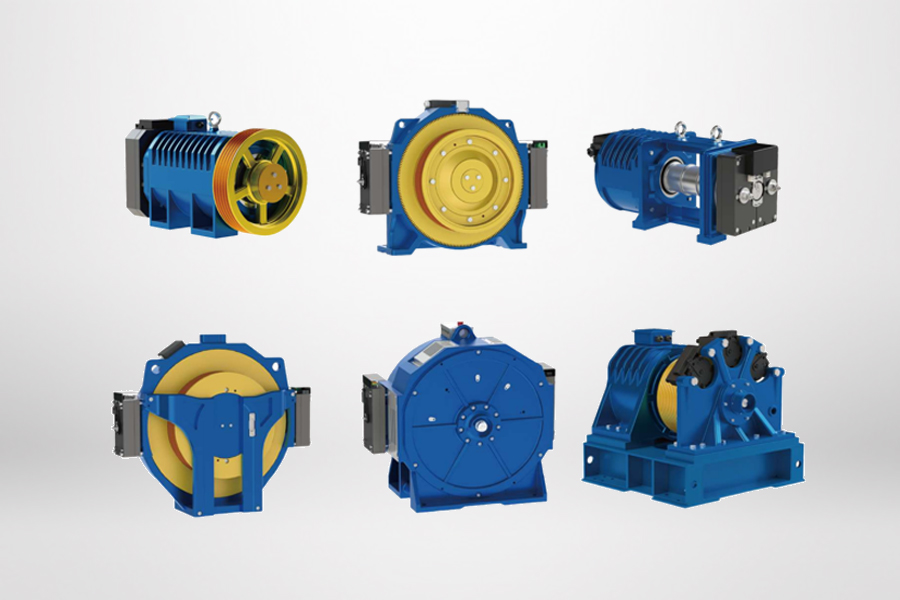
This is a complete and professional selection process for elevator traction machines.
If you are looking for a quick solution, we recommend contacting us directly for technical advice.
If you prefer to understand the selection process first, this guide will help you make a more informed decision.
Step 1: Define Your Elevator Project Requirements
Before asking for a quotation, prepare your project details first.
A elevator hoisting machine is not selected by price alone.
It must match your elevator system exactly.
Confirm the following information before contacting any supplier:
|
Requirement |
What You Need to Confirm |
|
Elevator Type |
Passenger, freight, home, hospital, or modernization project |
|
Rated Load |
320kg, 450kg, 630kg, 800kg, 1000kg, or custom |
|
Rated Speed |
Low, medium, or high speed (m/s) |
|
Machine Room Condition |
MR or MRL |
|
Installation Dimensions |
Mounting size, shaft layout, rope direction |
|
Control System Compatibility |
Controller brand, encoder type, brake voltage |
|
Space Limits |
Available installation space and overhead clearance |
Missing even one of these details can lead to:
- Wrong machine selection
- Installation delays
- Control system mismatch
- Extra modification costs
Clear project data leads to accurate selection.
Good purchasing starts with specifications, not quotations.
Step 2: Understand Which Type of Traction Machines Fits Your Project
Not every traction machine fits every elevator.
Choosing the wrong type can increase cost, reduce efficiency, or create installation limits.
Use this quick guide:
|
Machine Type |
Best For |
Main Advantages |
|
Geared Traction Machine |
Freight elevators, low-speed projects |
Mature technology, lower initial cost |
|
Gearless Traction Machine |
Commercial buildings, smooth ride projects |
Low noise, high efficiency, long service life |
|
Permanent Magnet Gearless Machine |
MRL elevators, space-saving projects |
Compact size, energy saving, precise control |
|
High-Speed Gearless Machine |
High-rise buildings |
Stable performance at high speed |
Selection should match your project requirements, not market trends.
A electric motor elevator that works well for one building may be completely wrong for another.
Choose based on application, speed, space, and long-term operation needs.
Step 3: Check the Critical Technical Parameters
Once the machine type is confirmed, check the technical details carefully.
These parameters directly affect compatibility and performance.
|
Parameter |
Why It Matters |
|
Motor Power |
Determines lifting capability |
|
Rated Torque |
Affects starting and running stability |
|
Rated Speed |
Must match elevator design speed |
|
Sheave Diameter |
Impacts rope life and traction performance |
|
Rope Specification |
Must match rope size and groove design |
|
Brake Voltage |
Must match control system requirements |
|
Encoder Type |
Affects leveling accuracy and control precision |
|
Protection Level (IP) |
Important for environmental durability |
|
Noise Level |
Critical for residential and premium projects |
|
Duty Cycle |
Determines long-term operating reliability |
Even small parameter mismatches can cause:
- Poor ride comfort
- Control instability
- Faster component wear
- Difficult onsite commissioning
Always confirm technical drawings and parameter sheets before ordering.
Specifications solve problems before they happen.
Step 4: Evaluate Supplier Reliability Before Purchasing
A elevator hoisting machine is only as reliable as its supplier.
Before placing an order, quickly check the following:
• Manufacturing capability
Can the supplier show real production lines, machining equipment, and testing process?
• Technical response
Do they confirm drawings and key specs before production, or just quote price?
• Certifications
CE, ISO, EN81-related standards are basic expectations, not bonuses.
• Export experience
Have they worked with overseas projects and understood documentation and voltage standards?
If any of these points are unclear, the risk moves to your side.
Step 5: Beware of These Common Low-Price Traps
A low price is not a problem.
A wrong low price is.
Watch out for these typical issues:
• Cheap materials
Bearings, brakes, and castings that reduce lifetime.
• Low machining accuracy
Leads to vibration, noise, and rope wear.
• Weak electrical matching
Brake or encoder mismatch causes commissioning problems.
• No real after-sales support
Fast replies before payment, silence after shipment.
If the price is far below market level, there is always a reason.
The question is whether you will discover it before or after installation.
Step 6: Ask These Questions Before Placing an Order
Before you place an order, don’t rush.
A few simple questions can save you from most problems later.
Ask your supplier directly:
• Can you provide detailed installation drawings?
If not, the machine may not fit your project.
• Is this model compatible with my controller system?
Compatibility issues are one of the most common commissioning problems.
• What brake system and encoder are used?
These directly affect safety and control accuracy.
• What is the real delivery time (not the promised one)?
Project delays usually start here.
• What warranty and technical support do you provide?
Support matters more after shipment than before payment.
If a supplier cannot answer these questions clearly, you already have your answer.
Well-Known Elevator Traction Machine Brands in the Market
Below are some widely recognized traction machine brands with simple market positioning labels to help you quickly compare:
Montanari (Italy)
High-end brand. Known for premium machining accuracy, stability, and long service life. Widely used in European high-standard projects.
Wittur (Germany)
High-end to mid-high segment. Strong in system integration and safety components. Good reputation in global elevator supply chains.
Full elevator system provider. Strong engineering standards and integrated solutions. Traction machines are mainly used within its own systems.
OTIS (USA / China operations via West Asia Otis)
High-end global brand. Strong safety standards and global project experience. Widely used in commercial and high-rise buildings.
Mid-range segment. Balanced cost and performance. Suitable for standard commercial and residential projects.
High-end Chinese brand. Strong R&D capability and stable performance. Often used in export-oriented projects.
Xizi Otis (China)
High-end segment in China. Strong manufacturing base and strict quality standards. Good reliability in large-scale projects.
Mid to low-end market. Cost-effective option for budget-sensitive projects. Suitable for standard applications.
Mid-range segment. Focus on domestic and export markets with stable product supply and competitive pricing.
If You Need Any Support
If you need elevator traction machines or other elevator spare parts, contact us directly.
With over 20 years in the elevator parts industry, we can offer better prices for common products and reliable sourcing for hard-to-find items.
We only supply genuine products. No mixed quality, no fake materials.
Send us your inquiry, and we will reply with a real solution for your project, not just a price.
Meet POTENSI at Lift Expo Moscow 2026 — Booth A5
How to Identify Wire Rope Slippage?
Related Article