Understanding Elevator Wire Rope Specifications Standards: A Guide for Safety
1. Why Standards Matter for Safety
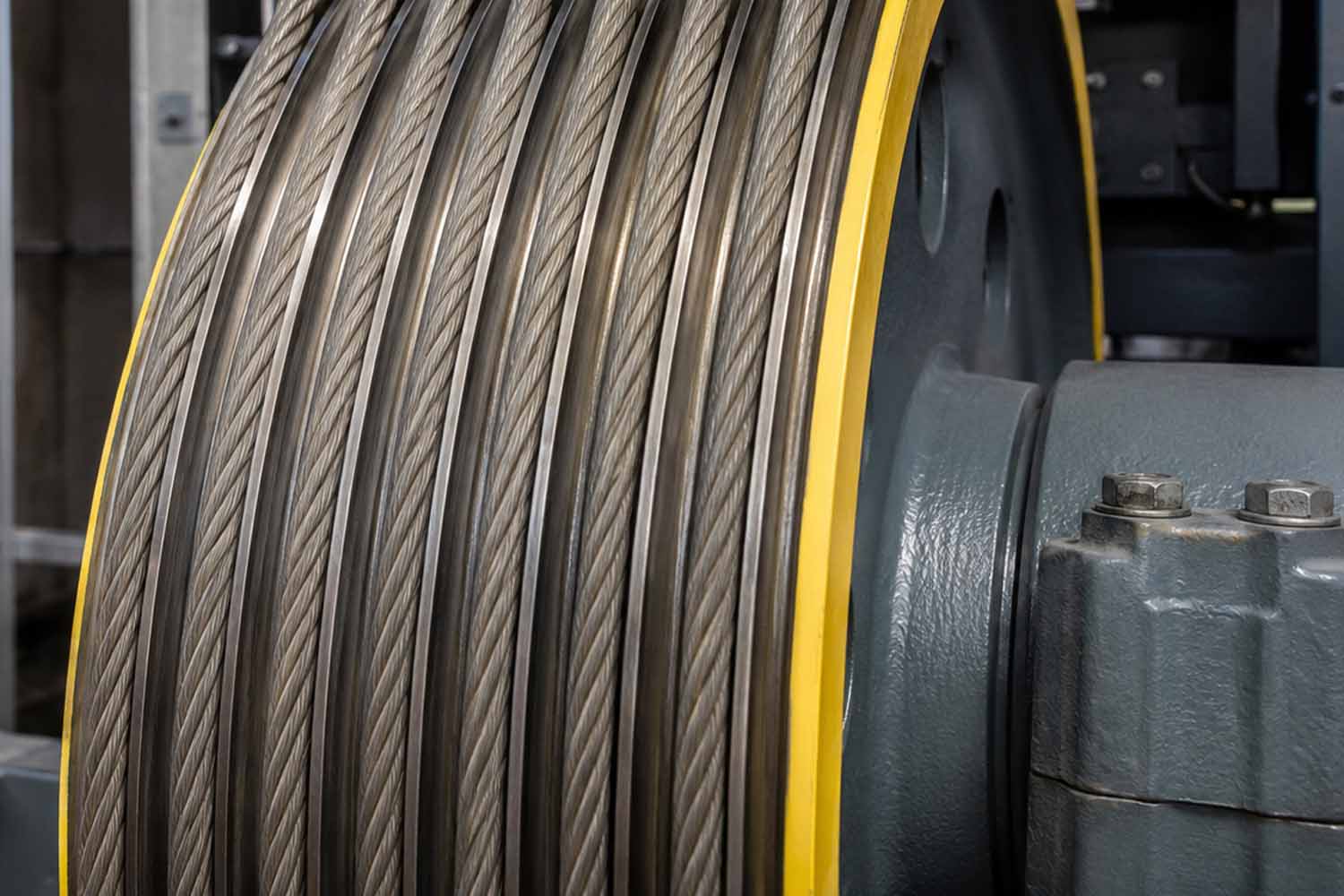
You cannot use a general-purpose cable for a passenger lift. A steel wire rope for elevator systems is a precision-engineered tool. Global elevator wire rope specifications standards define the exact chemical composition of the steel, the lubrication type, and the breaking strength required to protect human life. Following these rules prevents the metal from snapping under bending fatigue.
2. The Critical Elevator Wire Rope Safety Factor
A core requirement in all international codes is the elevator wire rope safety factor. This number proves that the cables are many times stronger than the actual weight they lift. Most standards require a safety factor between 10 and 12 for passenger elevators. This means that even if the cabin is fully loaded, the elevator steel wire rope is only using a small fraction of its total breaking strength, providing a massive cushion for safety.
3. The European Standard: EN 81-50
The EN 81-50 standard is the most common rulebook used across Europe and Asia. For an elevator steel rope, this standard is very strict about the ratio between the pulley and the rope. It mandates that the motor's pulley (sheave) must be at least 40 times larger than the rope diameter. This prevents the elevator wire ropes from bending too sharply, which would otherwise reduce their lifespan and compromise the safety factor.
4. The North American Standard: ASME A17.1
In the United States and Canada, the ASME A17.1 code governs how a steel wire rope elevator is tested. This standard focuses on the "Minimum Breaking Force." Every cable sold in these markets must come with a certificate proving it passed rigorous pull tests. It ensures that the wire rope elevator system can handle emergency stops and sudden shifts in load without the cables stretching beyond safe limits.
5. International Consistency: ISO 4344
ISO 4344 is the global benchmark for wire rope for elevators. It provides a common set of measurements for rope diameters and strand structures (like Seale or Warrington). Whether you are using a fiber core or a steel core, ISO 4344 ensures the wire rope for elevators is balanced and durable. Following this standard helps procurement managers buy the correct parts from any certified factory worldwide.
Conclusion
Adhering to elevator wire rope specifications standards is the only way to guarantee a safe vertical transportation environment. By maintaining the correct elevator wire rope safety factor and following EN 81 or ASME codes, you protect both the building equipment and the passengers. Always verify that your elevator wire rope comes with full certification to ensure it meets these vital engineering and safety requirements.
Elevator Wire Rope Calculations: A Simple Safety Guide
Elevator Wire Rope Manufacturers: Global Brands, OEMs, and Price Factors
Related Article

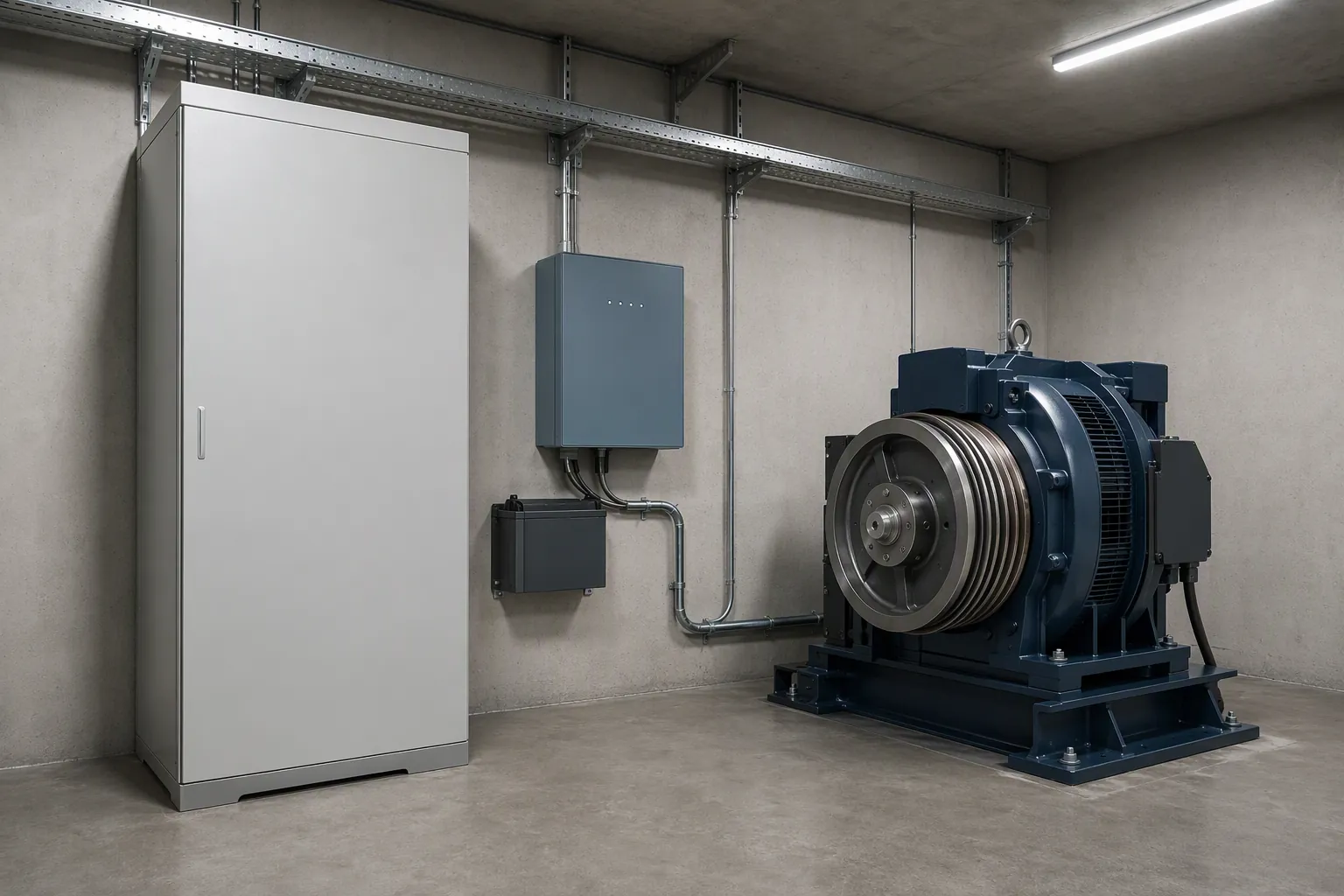
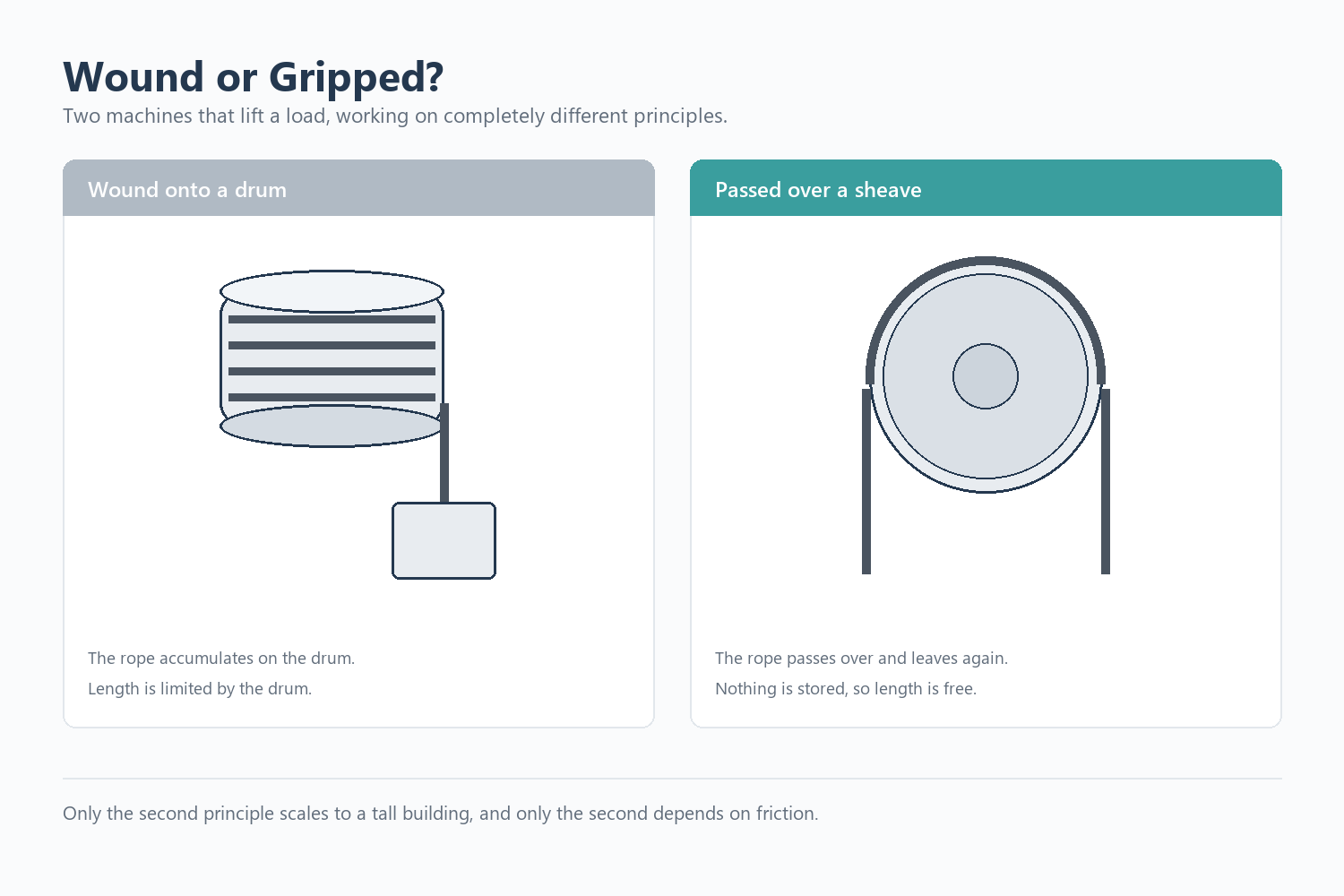
A traction machine does not wind the ropes onto a drum. It grips them.