
7 Critical Escalator Safety Devices You Must Know for High-Traffic Areas
author: Cloe
2026-08-28
Public places like metro stations, airports, and shopping malls require highly reliable equipment. To ensure passenger safety and reduce risks, choosing the right escalator safety devices is essential. This article explains the key components needed to meet international standards and maintain safe operations in busy environments.
What is EN 115-1:2017?
EN 115-1:2017 is the current European safety standard for the construction and installation of escalators and moving walks. It provides technical rules to prevent common accidents, such as tripping or getting caught in the machinery. For professional buyers, meeting EN 115-1:2017 is the basic requirement. However, in high-traffic areas, adding specific escalator safety devices is necessary to handle heavy loads and frequent use.
7 Essential Escalator Safety Devices
Here are the 7 most important escalator safety devices used for risk mitigation in modern systems:
-
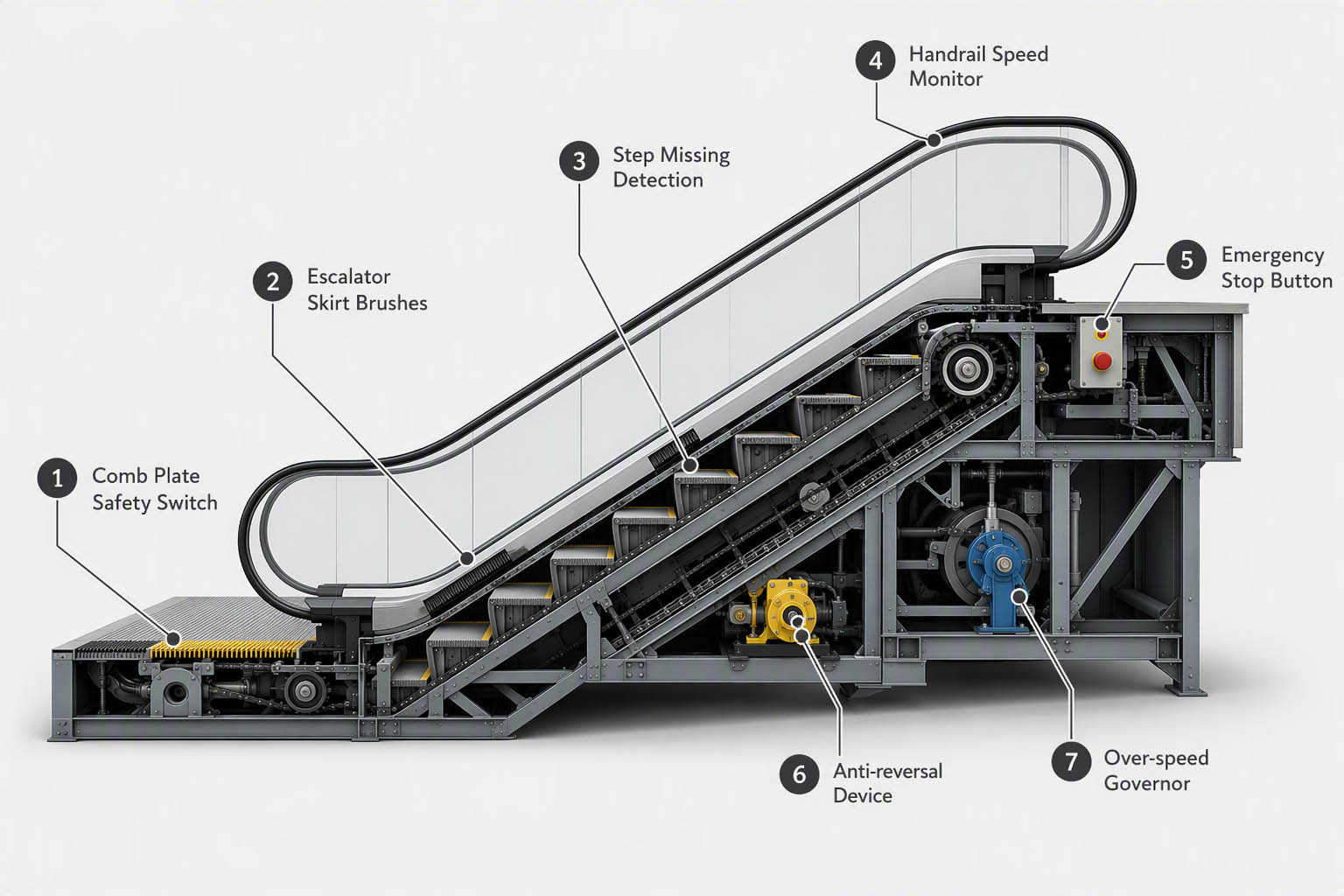
Comb Plate Safety Switch: This switch stops the escalator if an object gets stuck between the steps and the comb plate. It prevents shoes or clothing from being pulled into the mechanism.
-
Escalator Skirt Brushes: These brushes are installed along the sides of the steps. They keep passengers' feet away from the gap between the step and the skirt panel, reducing the risk of injury.
-
Step Missing Detection: This device uses sensors to check every step. If a step is missing or broken, these escalator safety devices will stop the machine immediately to prevent passengers from falling into the truss.
-
Handrail Speed Monitor: This monitor ensures the handrail and the steps move at the same speed. If the handrail slows down, the escalator stops to prevent passengers from losing their balance.
-
Emergency Stop Button: Located at the top and bottom of the escalator, this button allows anyone to stop the machine in an emergency. In busy areas, these buttons often have covers to prevent accidental use.
-
Anti-reversal Device: This is critical for escalators with a high rise. It prevents the steps from accidentally moving backward if the motor fails or the chain breaks.
-
Over-speed Governor: This is a mechanical fail-safe. If the escalator moves too fast, this device locks the main drive shaft to stop the machine safely.
B2B Benefits of Quality Components
Buying high-quality escalator safety devices helps property managers and maintenance companies reduce costs. These parts lower the risk of accidents and decrease equipment downtime. As a specialized supplier from China, POTENSI provide escalator safety devices that are compatible with brands like Otis, Kone, and Schindler, helping you complete your modernization projects efficiently.
Conclusion
Safety is the most important factor for any escalator in a public building. By installing these 7 escalator safety devices, you can meet EN 115-1:2017 standards and protect your passengers. Choosing reliable escalator safety devices is the best way to ensure long-term performance and maintain your professional reputation.
Elevator Buttons: Types, Functions, Materials, and Buying Guide
Elevator Wire Rope: The Ultimate Guide to Selection, Safety, and Maintenance
Related Article
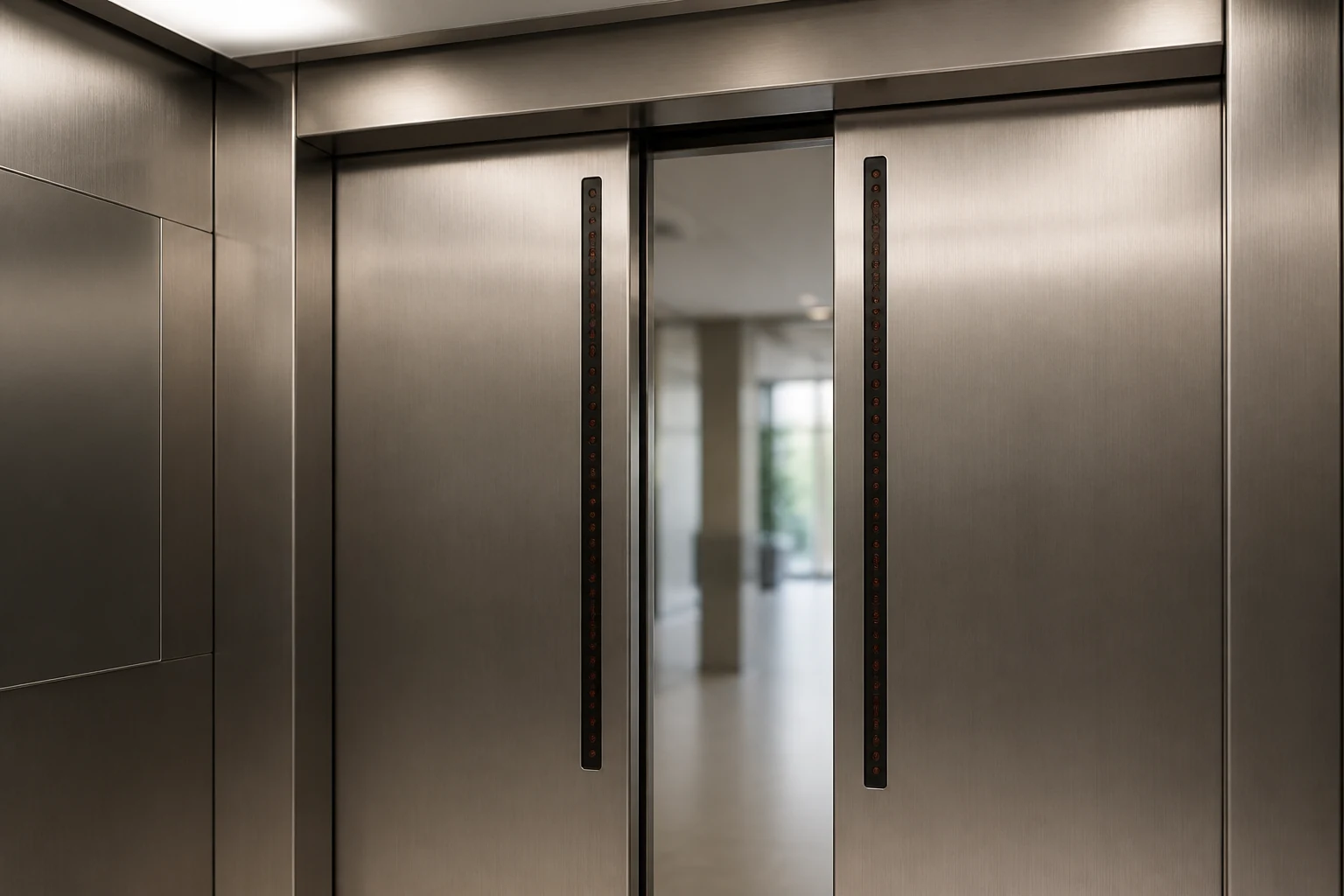
Yes, most lift doors have a sensor — but not all, and not the same type. How to tell what your door has in three checks, and what the sensor still cannot cover.
Do Elevator Doors Have Sensors? The Straight Answer
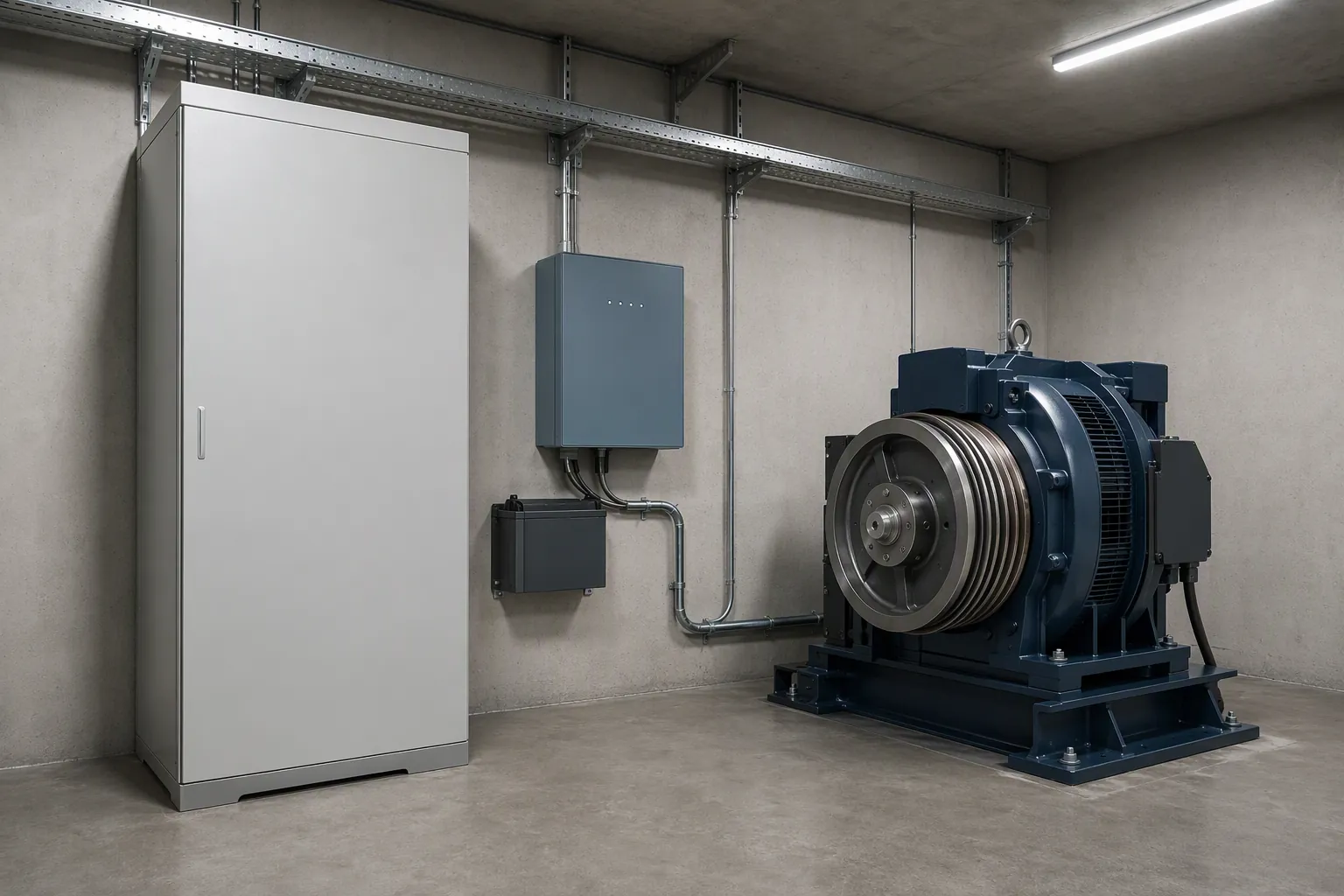
What an elevator ARD is, how the automatic rescue device works, what 220V and 380V models mean, how to size one for your lift, and what drives the price.
Elevator ARD: Automatic Rescue Device Guide & Specs
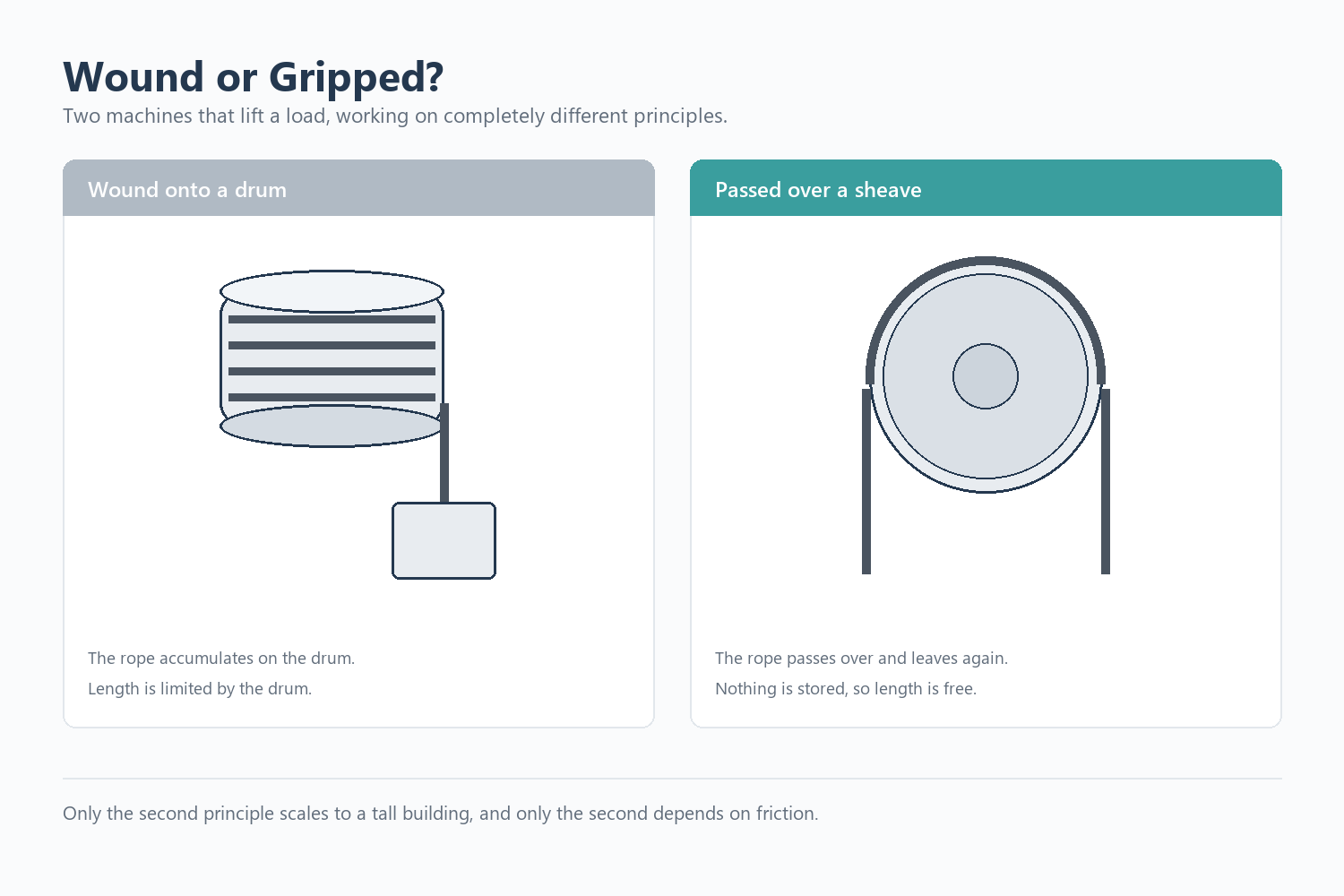
Most explanations of how an elevator traction machine works say the same thing: the motor turns a wheel, the wheel moves the ropes, the car goes up. That is true, but it skips the part that actually explains the machine.
A traction machine does not wind the ropes onto a drum. It grips them.
A traction machine does not wind the ropes onto a drum. It grips them.
How an Elevator Traction Machine Works
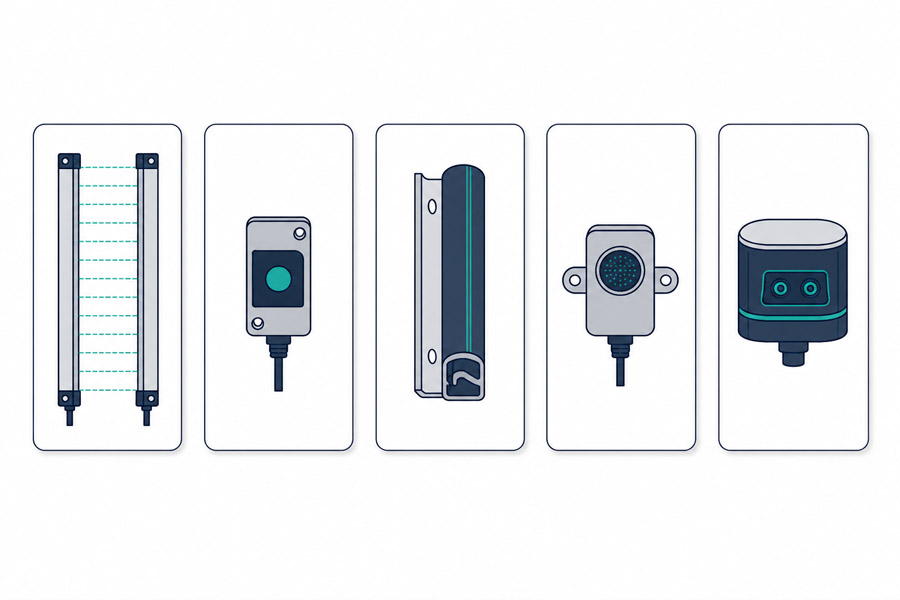
Elevator door sensor types fall into five groups: infrared light curtains, photo eyes, mechanical safety edges, ultrasonic sensors, and 3D sensors. This guide covers each type, how to identify the one you already have, and which to choose.
Elevator Door Sensor Types: How to Identify and Choose