What Is an Elevator Compensating Chain?
Elevators are a marvel of engineering, transporting people and goods with ease and efficiency. Behind the scenes, countless components work together to ensure smooth operation, and one of the unsung heroes in this system is the elevator compensating chain. While it may seem small and straightforward, its role is critical to an elevator's overall performance and safety.
In this article, we’ll explore what an elevator compensating chain is, why it’s essential, and how to properly install and maintain it to keep elevators running at their best.
Understanding the Elevator Compensating Chain
What is an Elevator Compensating Chain?
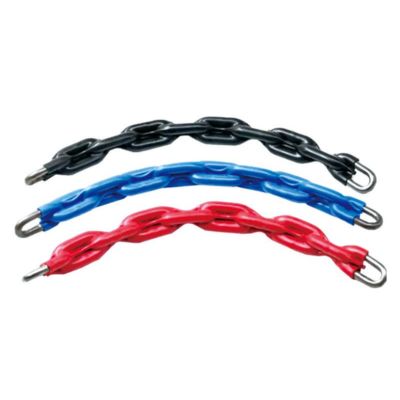
An elevator compensating chain is a specially designed chain that balances the weight of the elevator cables as the elevator car moves up and down. As the elevator car ascends, the weight of the cables on the car side increases, while the counterweight side decreases. The compensating chain offsets this imbalance, ensuring consistent tension and smoother operation.
Why Is It Important?
Without a compensating chain, the elevator system could experience uneven tension, leading to increased wear on components such as the traction machine, cables, and pulleys. Over time, this could result in operational inefficiencies, higher maintenance costs, and even safety risks.
Components and Materials
What Makes Up a Compensating Chain?
A compensating chain is typically made of high-strength steel, designed to withstand heavy loads and constant movement. It often includes weights or fillers to ensure proper balancing during operation. The durability and flexibility of the chain are critical to its performance.
Industry Standards
When choosing a compensating chain, it’s vital to ensure it meets industry standards such as EN or ISO guidelines for elevator parts. These standards ensure the chain’s quality, safety, and compatibility with modern elevator systems.
Installation Considerations
Pre-Installation Checks
Before installing a compensating chain, it’s essential to verify its compatibility with the elevator system. Inspect the chain for any signs of damage or manufacturing defects.
Best Practices for Installation
Proper installation is key to the chain’s performance. Here are some tips to keep in mind:
- Ensure the chain is aligned correctly to avoid twisting or tangling.
- Adjust the tension according to the manufacturer’s specifications.
- Use appropriate tools and follow the installation guidelines provided by the chain manufacturer.
Common Installation Errors
One of the most common mistakes during installation is improper tensioning, which can lead to excessive wear or operational inefficiencies. Misalignment is another frequent issue that can cause premature chain failure. Taking the time to install the chain correctly will save significant effort and cost down the line.

Maintenance and Troubleshooting
Routine Maintenance
Regular maintenance is critical to extending the life of a compensating chain and ensuring the elevator operates efficiently. Here are the steps we recommend:
- Inspect the chain periodically for wear, corrosion, or damage.
- Check the tension and alignment during routine inspections.
- Clean the chain using a soft cloth or brush to remove dirt and debris.
Troubleshooting Common Issues
If you notice unusual noises, uneven operation, or visible wear on the chain, it’s time to take action. Common issues include:
- Excessive Wear: Caused by improper tension or lack of lubrication.
- Corrosion: Often due to exposure to moisture or chemicals.
- Misalignment: This can lead to uneven operation and premature failure.
For excessive wear or damage, it’s usually best to replace the chain entirely. For alignment or tension issues, adjustments can often resolve the problem.
Preventive Measures
Preventive maintenance is always better than reactive repairs. Establish a regular inspection schedule, and address minor issues before they become major problems.
Benefits of a Well-Maintained Compensating Chain
A properly installed and well-maintained compensating chain offers numerous benefits, including:
- Improved Performance: Smooth, reliable elevator operation.
- Cost Savings: Fewer repairs and longer component lifespan.
- Enhanced Safety: Reduced risk of failures and operational hazards.
Conclusion
The elevator compensating chain may be a relatively small component, but its role in maintaining balance, reducing wear, and ensuring smooth operation is undeniable. By understanding its function, choosing high-quality materials, and following best practices for installation and maintenance, we can maximize its performance and extend its lifespan.
At POTENSI, we specialize in providing top-quality elevator parts, including reliable compensating chains that meet the highest industry standards. If you’re looking to enhance your elevator system’s efficiency and safety, we’re here to help.
Contact us today to learn more about our range of elevator parts and how they can support your maintenance needs. Let’s work together to keep elevators running smoothly and safely!
TCL Elevator Air Conditioning Fault Analysis and Solutions
How to Test the Condition of Elevator Wire Ropes After Installation?
Related Article