TCL Elevator Air Conditioning Fault Analysis and Solutions
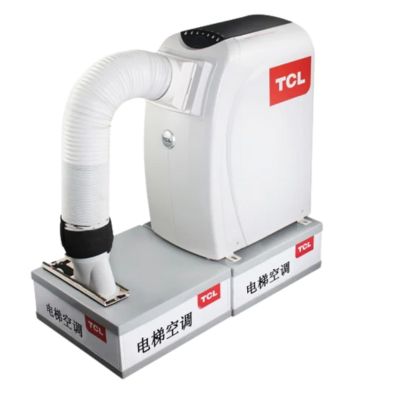
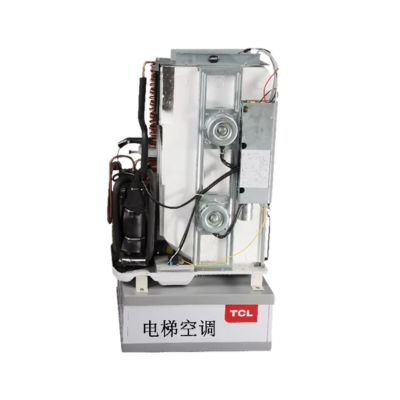
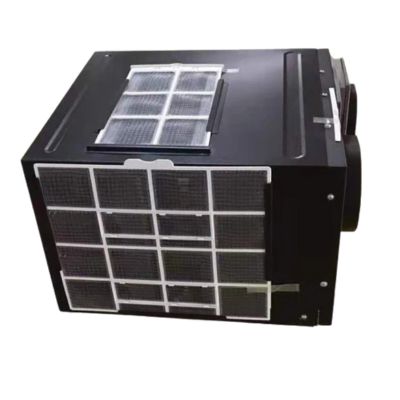
Elevator air conditioning systems play a crucial role in ensuring passenger comfort, particularly in enclosed, high-traffic environments. However, these systems, including TCL elevator air conditioners, are prone to occasional malfunctions that can disrupt operations and increase maintenance workloads.
In this article, we provide a detailed breakdown of common faults encountered with TCL air conditioners, analyze their root causes, and offer actionable troubleshooting and maintenance solutions. For maintenance personnel, this guide serves as a practical reference to keep TCL elevator air conditioners operating efficiently.
Understanding Common Faults in TCL Elevator Air Conditioning Systems
TCL air conditioners are designed for reliability and efficiency, but like any technical system, they are susceptible to wear and tear. The most commonly reported issues include:
1 Normal Airflow but Compressor Does Not Start
This issue arises when the air conditioning unit circulates air but fails to cool the cabin due to the compressor not activating. It can leave passengers uncomfortable and requires immediate attention to restore cooling functionality.
2 Error Codes Displayed on the Control Panel
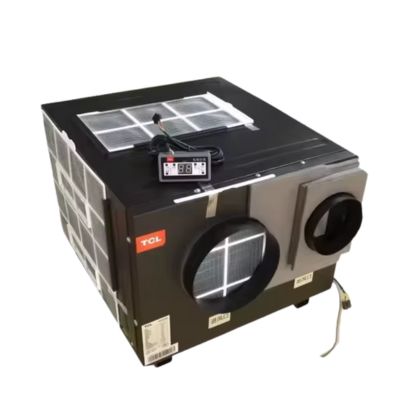
TCL air conditioners feature advanced diagnostic systems that display error codes when faults occur. Common error codes include:
- E1: Indoor temperature sensor malfunction.
- E2: The main unit cover pipe temperature sensor is malfunctioning.
These codes not only indicate malfunctions but also serve as diagnostic tools to help maintenance teams identify and address the root causes effectively.
Diagnosing Fault Causes and Inspection Procedures
The key to resolving faults in TCL air conditioners lies in accurately identifying their root causes. Here’s how we can diagnose and inspect the two most frequent issues:
1 Diagnosing Compressor Activation Issues
Potential Causes:
- Input voltage instability or fluctuations.
- Loose or corroded electrical connections.
- Faulty compressor starter or a damaged compressor.
Inspection Procedure:
- Use a multimeter to measure input voltage, ensuring it remains stable at 220V.
- Examine all power connections for looseness, corrosion, or damage. Tighten or replace them as needed.
- Test the compressor starter to verify its functionality; if defective, replace it.
- Check the compressor for physical or operational damage. For severe issues, replacement might be necessary.
2 Diagnosing Error Codes on the Control Panel
Potential Causes:
- Malfunctioning sensors (e.g., temperature or pressure sensors).
- Damaged or aged control panel components.
Inspection Procedure:
Inspect the control panel for proper operation and confirm the displayed error codes.
Conduct fault-specific checks:
- For E1, test the indoor temperature sensor’s wiring and operational status. Replace the sensor if needed.
- For E2, examine the main unit cover pipe temperature sensor for damage or calibration issues. Replace if required.
Implementing Effective Solutions
Once the root causes are identified, the next step is implementing targeted solutions to restore full functionality.
1 Restoring Compressor Functionality
Stabilize the input voltage by addressing fluctuations in the power supply.
Tighten or replace any loose or corroded electrical connections.
Replace a defective compressor starter to ensure proper activation.
For a damaged compressor, consult a professional technician to carry out the replacement safely.
2 Resolving Error Code Issues
Replace malfunctioning sensors, such as the indoor temperature or main unit cover pipe temperature sensors, with new, high-quality components.
After replacing the components, reset the air conditioning system to verify that the fault has been resolved.
Inspect the control panel regularly to ensure error codes are displayed accurately.
Maintenance Best Practices for TCL Elevator Air Conditioning Systems
Preventive maintenance is the cornerstone of reliable system performance. Here are essential tips to keep TCL air conditioners running smoothly:
1 Regular Electrical Inspections
Loose electrical connections or unstable power supplies can cause recurring faults. Make it a routine to inspect and secure all electrical components.
2 Sensor Maintenance and Cleaning
Sensors are critical for monitoring temperature and system performance. Keep them clean and free from dust and debris, and replace them periodically to avoid malfunctions.
3 Control Panel Diagnostics
Test the control panel frequently to ensure it accurately displays fault codes and operates without delays. This helps in early fault detection and resolution.
4 Use High-Quality Spare Parts
To reduce downtime and improve system reliability, use trusted replacement components. POTENSI products are known for their compatibility with TCL air conditioners and their long-lasting durability, making them an excellent choice for maintenance needs.
Benefits of Proactive Maintenance and High-Quality Parts
Proactive maintenance ensures that TCL elevator air conditioners operate at peak efficiency, minimizing downtime and enhancing passenger satisfaction. Here’s why investing in high-quality parts matters:
- Increased Reliability: Components such as sensors, compressors, and control panels from POTENSI provide consistent performance under demanding conditions.
- Reduced Maintenance Costs: Durable parts lower the frequency of replacements, saving time and money.
- Better System Longevity: High-quality components extend the life of the entire air conditioning system.
Conclusion
As maintenance professionals, we understand the importance of reliable tools and components in keeping elevator systems operational. When maintaining TCL air conditioners, choosing the right spare parts can make all the difference.
We recommend exploring POTENSI’s range of high-performance components, which are specifically designed to meet the needs of TCL air conditioning systems. From sensors to compressors and control panels, POTENSI offers solutions that help maintenance teams achieve superior results.
To see a detailed error analysis click here.
How to Choose an Elevator Air Conditioner?
What Is an Elevator Compensating Chain?
Related Article