Small Problems Can't Be Ignored: Quick Fix Tips for Elevator Wire Rope
Elevator wire rope plays a crucial role in an elevator system's safe and smooth operation. It supports the elevator car, counterbalances the weight, and ensures controlled movement. However, even small issues with the wire rope can lead to serious safety risks if left unchecked. Regular maintenance and quick fixes can prevent costly repairs and unexpected failures. This guide will explore common wire rope problems, quick fix solutions, and best practices for preventive maintenance.
Common Problems with Elevator Wire Rope
Elevator wire ropes are subjected to constant tension, bending, and environmental conditions that can lead to various types of wear and damage. Here are the most common problems that maintenance personnel should look out for:
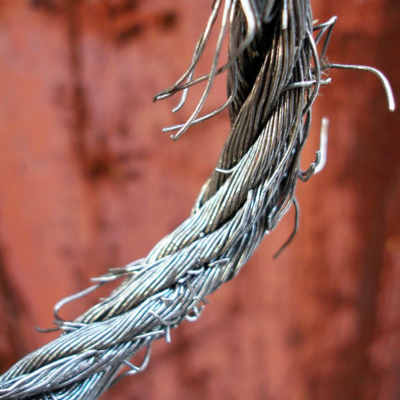
1. Fraying and Broken Strands
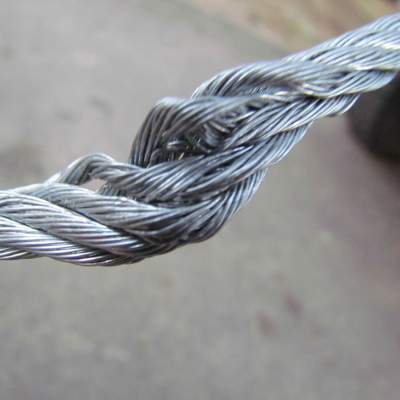
Fraying occurs when individual strands of the wire rope start to unravel due to repeated stress and bending. If not addressed early, broken strands can weaken the rope’s integrity and lead to failure.
Causes:
- Excessive load stress
- Lack of proper lubrication
- Misalignment in the sheaves or pulleys
2. Corrosion and Rust
Exposure to moisture, humidity, or chemicals can lead to corrosion, which weakens the wire rope over time.
Causes:
- Poor environmental conditions
- Lack of protective coatings or lubrication
- Use of substandard wire ropes
3. Uneven Wear and Flattening
Wire ropes can develop flat spots due to improper seating in sheaves or prolonged use. Uneven wear can compromise performance and safety.
Causes:
- Misaligned pulleys
- Improper tensioning
- Sheave wear
4. Improper Tension and Elongation
Wire ropes can stretch and lose their tension over time, leading to unbalanced loads and reduced efficiency.
Causes:
- Natural wear and tear
- Overloading the elevator system
- Poor initial installation
Quick Fix Tips for Elevator Wire Rope Issues
Addressing wire rope problems early can prevent larger issues and maintain elevator safety. Here are some quick fixes maintenance personnel can implement:
1. Regular Visual Inspections
Conducting routine visual inspections can help identify small problems before they escalate. Look for signs of fraying, corrosion, or flattening.
Quick Fix:
- If fraying is detected, replace the affected section or consider full replacement if multiple strands are broken.
- Use a magnifying glass or bright flashlight for detailed inspection.
2. Proper Lubrication Techniques
Lubrication reduces friction and protects the wire rope from corrosion.
Quick Fix:
- Use manufacturer-recommended lubricants.
- Apply lubrication evenly and ensure it penetrates between the strands.
- Avoid over-lubricating, as excessive lubricant can attract dust and debris.
3. Tension Adjustments
Ensuring proper tension can prevent premature wear and unbalanced elevator operation.
Quick Fix:
- Check the tension periodically using a tension gauge.
- Adjust tension as per manufacturer guidelines.
- Ensure all wire ropes are evenly tensioned to prevent uneven wear.
4. Temporary Fixes vs. Full Replacement
While some minor issues can be temporarily fixed, certain problems require complete wire rope replacement.
Quick Fix:
- Minor corrosion can be treated with rust removers and lubricants.
- Severe corrosion, broken strands, or excessive elongation require full replacement.
- Always consult the manufacturer’s guidelines for replacement thresholds.
Preventive Maintenance Best Practices
Preventive maintenance is key to extending the lifespan of elevator wire ropes and reducing downtime. Here are the best practices:
1. Establish a Routine Inspection Schedule
Conduct weekly, monthly, and annual inspections to track wire rope conditions and performance.
2. Use High-Quality Lubricants and Protective Coatings
Applying corrosion-resistant coatings and using the right lubricants can prevent rust and wear.
3. Ensure Correct Installation and Tensioning
Follow manufacturer guidelines for proper installation to prevent premature wear and failures.
4. Partner with Trusted Suppliers
Using high-quality wire ropes from reputable suppliers ensures durability and reliability.
When to Replace Elevator Wire Rope?
Knowing when to replace elevator wire rope is critical to maintaining a safe and efficient elevator system. Here are key signs indicating it’s time for replacement:
- Visible fraying and multiple broken strands
- Excessive corrosion and rust
- Flattened or unevenly worn sections
- Elongation beyond manufacturer’s specifications
- Irregular tension affecting elevator movement
Delaying replacement can lead to severe safety hazards, including elevator malfunction or failure. Regularly evaluating the condition of wire ropes ensures a proactive approach to maintenance.
Conclusion
Ignoring small problems with elevator wire ropes can result in significant safety risks and costly repairs. Routine inspections, proper lubrication, and timely replacements are essential for maintaining elevator efficiency and passenger safety.
For durable and high-performance elevator ropes, we recommend POTENSI's high-quality ropes from leading manufacturers, ensuring maximum reliability and compliance with international safety standards. Contact us today to learn more about our elevator rope solutions!
How to Solve the Problem of the Slow Response of Elevator Door Controller?
How to choose the Right Elevator Door Machine?
Related Article