Key Dimensions of Escalator Handrails: A Guide
Elevator and escalator safety is built on attention to detail, and one critical component that often goes unnoticed is the escalator handrail. As maintenance professionals, we know that the proper dimensions of handrails are essential for ensuring passenger comfort, safety, and smooth escalator operation. In this article, we provide an in-depth guide on the relevant dimensions of escalator handrails, including material selection, key specifications, installation methods, and maintenance best practices. By understanding these technical details, we can prevent common issues and extend the lifespan of these crucial components.
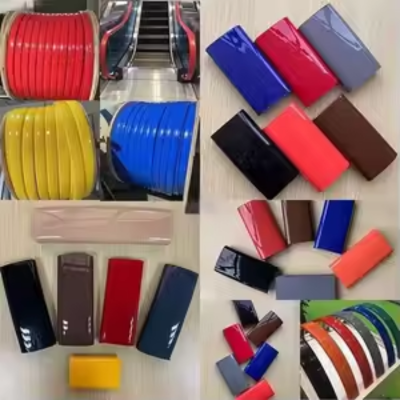
Materials of Escalator Handrails
The materials used in escalator handrails play a significant role in their durability and maintenance requirements. We primarily encounter two types of materials:
High-Quality Rubber Handrails
- Advantages:
Rubber handrails offer excellent wear resistance and corrosion protection. Their inherent flexibility makes them comfortable to grip and easy to clean. - Ideal Usage:
They are best suited for environments where frequent cleaning is required and where the escalator experiences heavy usage.

PVC Handrails
- Advantages:
PVC handrails are known for their high temperature and aging resistance. They are low maintenance and can maintain their appearance and functionality over time. - Ideal Usage:
These are typically used in installations where ambient temperatures can be higher, and maintenance budgets are tighter.

By comparing these two, we can select a material based on the specific operational demands and environmental conditions of the escalator.
Key Specifications of Escalator Handrails
Proper dimensions are crucial for ensuring that escalator handrails perform their functions effectively. Here are the key specifications we need to consider:
Length and Width
- Length:
The length of the handrail should typically match the escalator’s length. Standard handrail lengths are usually 800mm or 1000mm. Ensuring the correct length is vital for providing continuous support throughout the escalator ride. - Width:
Handrail widths are generally standardized at 600mm or 800mm. The chosen width affects the ease of use and overall safety, ensuring that passengers have a comfortable and secure grip.

Thickness and Profile
- Thickness:
The thickness of the handrail impacts both its durability and the quality of the grip. A properly sized thickness ensures that the handrail is strong enough to withstand constant use without causing discomfort. - Profile:
Handrails come in various profiles (e.g., round or ergonomic designs). The profile should provide a secure and comfortable grip for all passengers.
Tolerances and Standards
- Consistency:
Dimensional consistency is crucial. Manufacturers follow industry standards to ensure that handrails meet specific tolerances. - Standards:
Compliance with standards such as ISO or EN ensures that handrails are safe, reliable, and compatible with other escalator parts.
Installation Methods for Escalator Handrails
Installing escalator handrails correctly is critical to their performance and longevity. Two primary methods are widely used:
Direct Adhesive (Sticking) Type
- Description:
This method involves directly adhering the handrail to the mounting surface. - Advantages:
It is quick and straightforward, ideal for surfaces that are flat and dry. - Limitations:
The adhesive method requires a uniform surface and may not be suitable for all types of escalator installations.
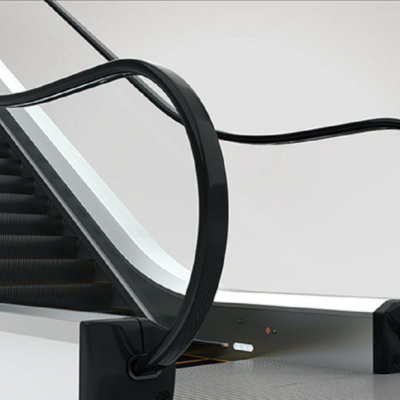
Bracket-Mounted Type
- Description:
In this method, handrails are secured using brackets that are fixed to the escalator structure. - Advantages:
Bracket mounting offers flexibility and is adaptable to various wall materials and installation conditions. - Limitations:
It may require additional time and precise measurements for proper alignment.
Best Practices for Installation
- Accurate Measurements:
It is vital to accurately measure the installation area. Ensure the handrail's length, width, and thickness match the escalator's design requirements. - Gap Settings:
Maintain a recommended gap of 1-2mm between the handrail strap and the handrail frame to prevent wear and minimize noise. - Professional Installation:
We recommend that installation be performed by trained technicians who follow manufacturer guidelines to ensure optimal alignment and secure mounting.
FAQs
1. What is the optimal gap between the handrail and the frame?
The recommended gap is 1-2mm to prevent friction and noise during operation.
2. How often should escalator handrails be replaced?
Replacement frequency depends on usage and environmental factors, but typically, a once-a-year replacement is advisable.
3. What should be done if a handrail becomes deformed or falls off?
If a handrail deforms or detaches, the escalator should be immediately stopped, and the issue reported to the service center for repair or replacement.
4. Are there different handrail dimensions for different types of escalators?
Yes, handrail dimensions may vary based on the escalator's size, speed, and user demographics. Always refer to manufacturer specifications and industry standards for guidance.
Preventive Maintenance for Escalator Handrails
Routine maintenance is essential to prolonging the lifespan of escalator handrails and ensuring consistent performance.
Regular Inspections
Scheduled Checks:
Perform regular inspections to identify wear, corrosion, or misalignment.
Documentation:
Keep detailed records of measurements and maintenance activities for future reference.
Cleaning and Upkeep
Surface Cleaning:
Use appropriate cleaning agents to remove dust and debris without damaging the handrail.
Component Checks:
Ensure all mounting hardware is secure and that any gaps or misalignments are addressed promptly.
Upgrading and Replacement
Performance Monitoring:
Monitor the handrail’s performance over time. Replace or upgrade the handrail if it fails to meet operational standards or shows signs of significant wear.
The Role of Quality Elevator Parts Suppliers
Selecting high-quality escalator handrails is essential for safety and long-term performance. As suppliers of premium elevator parts, we offer products that meet international standards and provide exceptional reliability.
- Reliability:
Our products are designed for durability and consistent performance. - Technical Support:
We provide expert guidance to ensure proper selection, installation, and maintenance. - Trusted Brand:
Choose POTENSI for high-quality escalator handrails that enhance safety and efficiency in your installations.
Conclusion
Accurate dimensions and proper installation of escalator handrails are key to maintaining passenger safety and ensuring smooth escalator operation. Understanding the essential specifications—such as length, width, thickness, and gap tolerances—and following best practices for installation and maintenance, can significantly enhance system performance and longevity.
For reliable, high-quality escalator handrails and parts, we invite you to explore the premium products offered by POTENSI. Our commitment to quality and technical support ensures that your escalator systems perform at their best.
Basic Functions and Roles of Elevator Encoders
How to Choose an Elevator Air Conditioner?
Related Article