How to Fix Common Elevator Air Conditioner Issues: Troubleshooting Guide
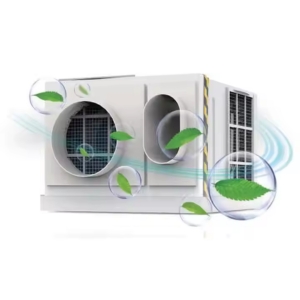
Elevator air conditioners are crucial for maintaining a comfortable environment inside the elevator cabin, especially during hot weather. However, like any mechanical system, they can encounter issues that affect their performance. In this guide, we will explore the most common elevator air conditioner problems and provide practical solutions for maintenance personnel to keep these systems running smoothly. Whether you're a beginner or an experienced technician, this article will help you identify and solve air conditioning issues efficiently.
1. Elevator Air Conditioner Fails to Start
Common Causes:
- Power Supply Issues: Is there a power outage, or has the power supply been cut off? Check if the power plug has come loose or the main switch is turned off.
- Voltage Problems: The voltage should be above 198V and below 240V. If the voltage is too high or too low, the air conditioner may fail to start.
- Remote Control Settings: Sometimes, the remote control might be set to a timer mode, preventing the air conditioner from starting as expected.
Solution:
Ensure the power is on, check voltage levels, and verify that the remote control settings are correct. If all these factors are in place, and the air conditioner still won’t start, check the fuse and any electrical components that may have failed.
2. No Cooling Effect: Fan Works, Compressor Doesn’t
Common Causes:
- Temperature Settings: The set temperature may be too close to the ambient temperature, meaning the system doesn’t need to activate cooling.
- Airflow Blockage: The return air duct might be blocked or clogged, preventing proper airflow.
- Compressor Failure: If the compressor isn't working, it won't cool the air, even if the fan is running.
Solution:
Check the temperature settings and make sure the air vents are clear of dust or debris. Clean the return air ducts and ensure the compressor is functioning correctly. Regular maintenance of these parts can prevent this issue.
3. Poor Cooling Performance with Normal Operation
Common Causes:
- Airflow Blockage: Blocked or restricted airflow from the return air or condenser can reduce cooling efficiency.
- Refrigerant Low: Insufficient refrigerant in the system can lead to poor cooling performance.
- Improper Seals: If the air conditioner’s outlet ducts or seals are not airtight, warm air can enter and affect cooling.
Solution:
Inspect and clean the air ducts, ensuring that there are no blockages. If refrigerant levels are low, consult a technician to refill it. Seal any gaps in the ducts to prevent warm air from affecting the system.

4. Frequent Compressor Start/Stop
Common Causes:
- Unstable Power Supply: If the power supply isn’t stable, it may cause the compressor to start and stop erratically.
- Overcharged Refrigerant: Excess refrigerant can disrupt the compressor’s operation.
- Incorrect Mode: The air conditioner may be set to "dehumidify" mode, which can cause irregular operation.
Solution:
Ensure the power supply is stable and that the refrigerant level is correct. If the system is in dehumidification mode, switch it to cooling mode and check for any issues with the compressor.
5. The Air Conditioner Stops After Running for a While
Common Causes:
- Poor Condenser Ventilation: If the condenser is not properly ventilated, it can overheat and cause the system to shut down.
- Damaged Capacitor: A blown capacitor can prevent the air conditioner from restarting.
- Overcurrent Issues: If the current exceeds the air conditioner’s design limits, it can shut down automatically to protect the system.
Solution:
Check the condenser and ensure that it has proper ventilation for heat dissipation. Test the capacitor for any faults and replace it if necessary. Ensure the current running through the system is within safe limits.

6. Water Leakage from the Air Conditioner
Common Causes:
- Improper Insulation: If the outlet ducts are not properly insulated, condensation can form and cause water leakage.
- Drainage Blockages: The drainage system may be blocked, causing water to back up and leak out.
- Improper Installation: If the air conditioner is not installed level, it can cause improper drainage.
Solution:
Check and add insulation to the ducts if necessary. Clean the drainage system to ensure proper water flow. Ensure that the air conditioner is installed on a level surface to avoid drainage issues.
7. Water Dripping Inside the Elevator Car
Common Causes:
- Improper Insulation of Air Outlet: If the air outlet isn’t properly insulated, it can cause condensation to form inside the car.
- Airflow Direction: If the airflow is directed toward metal surfaces, it can cause condensation and dripping.
Solution:
Insulate the air outlet to prevent cold air from coming into contact with metal surfaces. Consider using a return-type ventilation system to guide the air directly into the elevator car.

8. Loud Noises from the Air Conditioner
Common Causes:
- Loose Mounting: If the air conditioner is not properly mounted, vibrations from the compressor or fan may cause noise.
- Damaged Components: A damaged motor or compressor can produce abnormal sounds.
- Obstructed Fan: If the fan blades are obstructed or misaligned, they can cause noise.
Solution:
Check the mounting of the air conditioner and ensure it is firmly in place. Inspect the compressor and motor for any signs of damage. Ensure the fan blades are clean and properly aligned.
Conclusion:
Elevator air conditioners are vital to ensuring a comfortable environment in your car, but they are also prone to some common problems. Regular maintenance is key to ensuring the longevity and efficiency of your system. We hope this guide will help you troubleshoot any problems with your elevator air conditioner. If you're looking for high-quality, durable elevator components, contact us today to learn more about our products and solutions tailored to your needs.
At POTENSI, we offer high-quality elevator components, including air conditioning systems, that are designed for optimal performance and ease of maintenance. When you choose POTENSI, you're investing in reliable products that help keep your elevator system in top shape.
Synchronous vs. Asynchronous Elevator Traction Machines: Which Is Better?
Elevator Traction Machines: How We Help You Choose the Perfect Replacement?
Related Article