How to Determine That Your Elevator Encoder Is Malfunctioning?
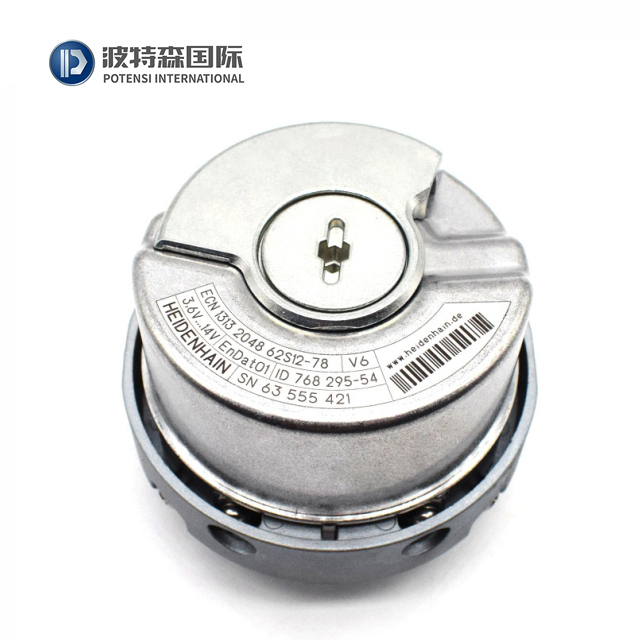
Elevator encoders are a vital part of our elevator systems, ensuring that the elevator car stops exactly where it should and runs smoothly at all times. Even though our previous articles have covered the basic functions and roles of elevator encoders, it is equally important to know how to detect when these components are not working as they should. In this article, we’ll share practical methods and diagnostic tips to help you quickly determine if an elevator encoder is malfunctioning. By catching issues early, we can prevent further damage and keep our systems running safely.
Common Symptoms of Malfunction
When an elevator encoder starts to fail, several symptoms may appear. Identifying these signs early is key to maintaining both safety and efficiency.
Inconsistent or Jerky Movement
One common symptom is irregular elevator motion. If the elevator accelerates or decelerates unevenly, or if it stops unexpectedly between floors, it may be due to erratic encoder signals. These inconsistencies can cause discomfort and potentially lead to safety risks.
Incorrect Floor Leveling
A faulty encoder might send inaccurate position data to the control system. This can result in the elevator stopping either too high or too low on a given floor. Such misleveling can be dangerous, especially during peak usage.
Frequent Error Codes or Control Panel Alerts
Modern elevator control panels often display error codes when a malfunction is detected. If you notice recurring error messages related to encoder feedback, it is a strong indicator that the encoder may be malfunctioning.
Unusual Electrical Signal Output
Using diagnostic tools, such as a multimeter or oscilloscope, can reveal irregularities in the pulse signals or output frequencies compared to the manufacturer’s specifications. Any deviation can suggest a malfunction.
Additional Signs
- Delayed Response: The elevator takes longer than usual to respond when moving between floors.
- Vibration or Noise: Unusual sounds or vibrations may be a symptom of the encoder’s internal failure.
- Control System Alerts: Multiple warnings or system resets associated with the encoder signal might also indicate an issue.
Diagnostic Techniques for Detecting Encoder Malfunctions
To accurately diagnose a malfunctioning elevator encoder, we follow a series of straightforward diagnostic techniques. These steps are designed to be clear and simple for any maintenance technician.
Visual Inspection
Steps:
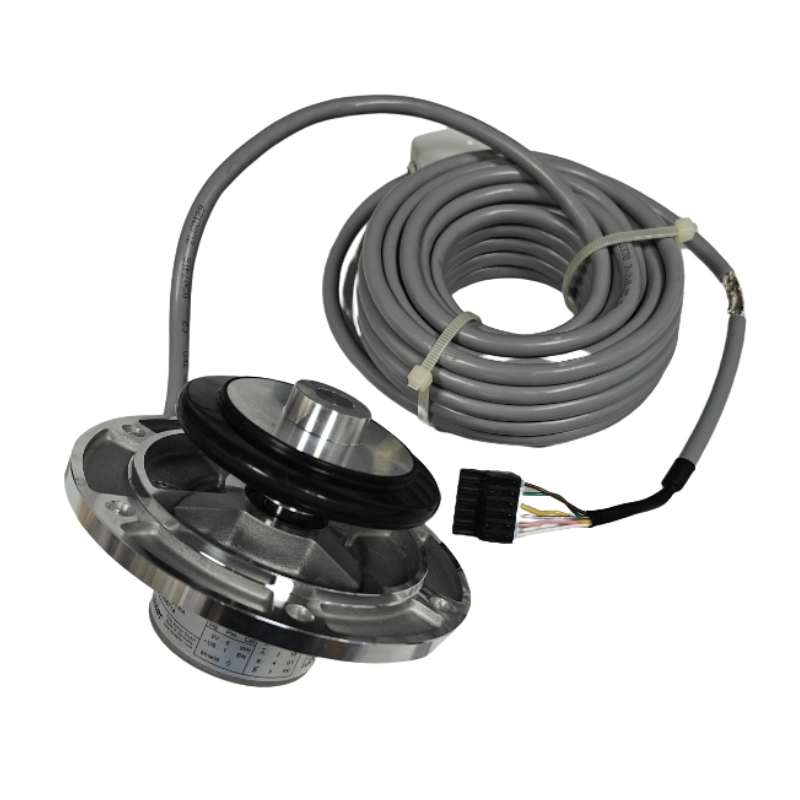
Inspect the wiring and connectors for any signs of damage or loose connections.
Look closely at the encoder housing for visible dents, corrosion, or debris.
Tip:
Ensure the inspection area is well-lit and use a magnifier if necessary for a thorough check.
Electrical Signal Testing
Tools:
Utilize a calibrated multimeter or oscilloscope.
Procedure:
Measure the pulse output of the encoder while the elevator is in operation.
Compare these readings with the baseline values provided by the manufacturer.
Tip:
Any irregularities or fluctuations beyond acceptable limits (as per manufacturer guidelines) indicate a potential problem.
Analyzing Controller Data
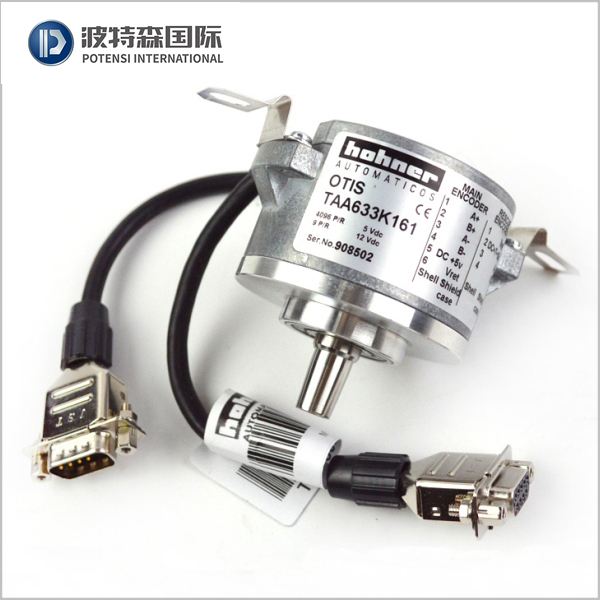
Steps:
Retrieve diagnostic logs from the elevator control system.
Identify any error codes or anomalies specifically tied to the encoder.
Benefit:
This information can help pinpoint whether the issue lies with the encoder or elsewhere in the system.
Calibration Verification
Steps:
Check the encoder’s calibration against historical data.
If the readings have drifted, perform a recalibration following manufacturer protocols.
Tip:
Ensure that any recalibration is performed under similar operating conditions to get accurate comparisons.
Comparing with Baseline Performance
Approach:
Compare current performance metrics with data from when the system was functioning correctly.
Tip:
Regularly logging performance data can make it easier to spot gradual degradation.
Repair vs. Replacement: How to Decide
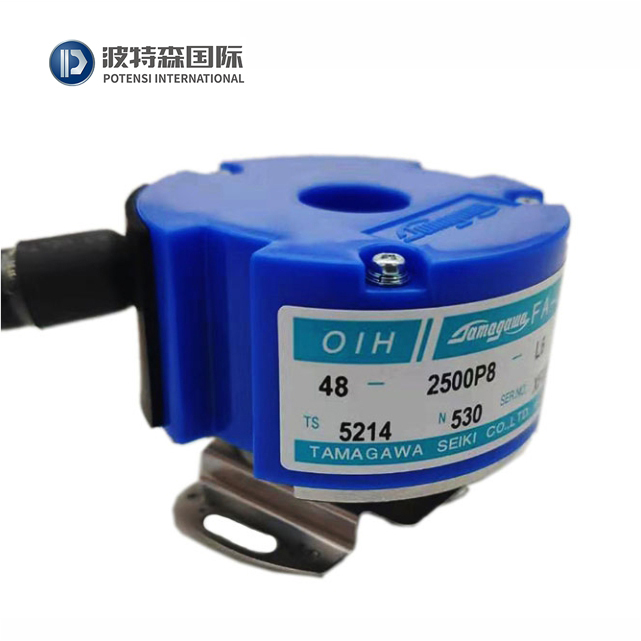
Once we have identified a malfunction, the next question is whether to repair the encoder or replace it entirely.
When to Repair
Minor Issues:
Loose wiring or minor calibration drift.
Actions:
Tighten or reconnect wiring, and perform a recalibration.
Outcome:
If the encoder’s performance is restored, repairs are sufficient.
When to Replace
Severe Malfunctions:
Physical damage, persistent error codes, or failure to achieve accurate readings despite troubleshooting.
Actions:
Follow manufacturer guidelines for replacement.
Use high-quality replacement encoders that meet international standards for durability and performance.
Recommendation:
We always recommend using premium products from reliable suppliers like POTENSI, which ensure long-term reliability and support.
Preventive Maintenance and Best Practices
Keeping an elevator encoder in top condition is a continuous process. Here are some best practices we follow:
- Regular Inspections: Schedule periodic check-ups to monitor encoder performance. Early detection is key.
- Routine Calibration: Recalibrate at manufacturer-recommended intervals to prevent signal drift.
- Proper Record-Keeping: Maintain logs of all tests, calibrations, and repairs. This documentation helps track performance trends.
- Staff Training: Ensure maintenance personnel are well-trained in using diagnostic tools and interpreting data.
- Environmental Control: Keep the installation area free from dust, excessive moisture, and extreme temperatures which could affect encoder performance.
Conclusion
In conclusion, elevator encoders are small yet essential components that ensure precise elevator operation. Detecting issues early through routine inspections, signal testing, and careful calibration can prevent small problems from escalating into significant failures. By understanding when to repair and when to replace a malfunctioning encoder, we can maintain a safe and efficient elevator system.
For high-quality, reliable elevator encoders and other elevator parts, we invite you to explore POTENSI’s premium product range. Our products meet international standards and are backed by expert technical support, ensuring that your elevator systems continue to operate at their best.
Contact us today to learn more about POTENSI’s top-tier elevator encoders and parts. Let’s work together to keep our elevators safe, efficient, and reliable!
Elevator Guide Shoes: When and How to Replace?
Basic Functions and Roles of Elevator Encoders
Related Article