How to Choose an Elevator Air Conditioner?
Elevator air conditioners play a pivotal role in maintaining passenger comfort, protecting critical components, and ensuring energy-efficient operation. For elevator maintenance personnel, selecting the right air conditioner is not just about temperature control—it's about achieving a reliable, safe, and cost-effective solution for your elevator system. In this article, we share essential insights on choosing an elevator air conditioner, covering key factors, installation and maintenance best practices, and common pitfalls to avoid. By following these guidelines, you can ensure that your elevator remains comfortable and efficient all year round.
The Role of Elevator Air Conditioners
Elevator air conditioners are designed to regulate the cabin temperature and humidity, ensuring a comfortable ride for passengers while protecting sensitive elevator components from overheating. In addition to providing cooling, these systems can also offer heating in colder climates, thereby maintaining a stable environment regardless of the weather. A well-selected air conditioner not only improves passenger comfort but also enhances the longevity of the elevator by preventing excessive wear on critical components.
Types of Elevator Air Conditioners
When choosing an air conditioner, it is important to understand the two main types available:
Cold and Warm (Dual) Type
Features:
- Provides both cooling in the summer and heating in the winter.
- Ideal for regions with significant seasonal temperature variations.
Benefits:
- Ensures year-round passenger comfort.
- Maintains consistent climate control in environments with fluctuating temperatures.
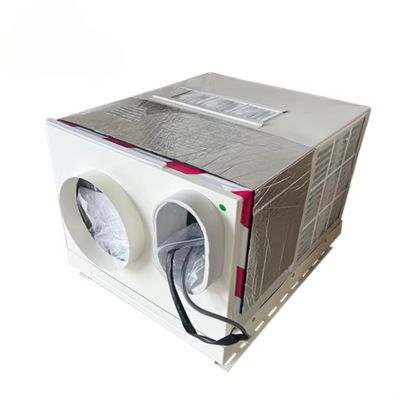
Cooling-Only Type
Features:
- Designed solely for cooling.
- Best suited for regions with predominantly hot climates or indoor environments where heating is not necessary.
Benefits:
- Generally more energy-efficient.
- Lower initial cost when heating functionality is not required.
Key Factors to Consider When Choosing an Elevator Air Conditioner
Selecting the right elevator air conditioner involves assessing various technical and environmental factors. Here are the key considerations:
Cooling Capacity and Power Requirements
Determine the Right Capacity:
Calculate the required cooling capacity based on the elevator cabin size, insulation, and anticipated usage. A system that is too small may struggle to cool effectively, while one that is too large can lead to energy waste.
Power Efficiency:
Consider the power ratings and energy efficiency of the unit. Modern systems often incorporate inverter technology and energy-saving modes, which can reduce long-term operational costs.
Installation Space and Design
Compact Solutions:
Elevator air conditioners must be compact to fit in limited spaces, such as machine rooms or directly within the elevator cabin.
Design Considerations:
Ensure that the unit's design complements the elevator’s architecture without compromising accessibility or airflow. Verify that the dimensions and installation layout meet the specific requirements of your building.
Noise Levels
Passenger Comfort:
Noise can significantly impact passenger comfort. Look for air conditioners that operate quietly, particularly in residential or high-traffic commercial settings.
Technical Specifications:
Review the decibel ratings provided by the manufacturer and compare different models to find one with minimal operational noise.
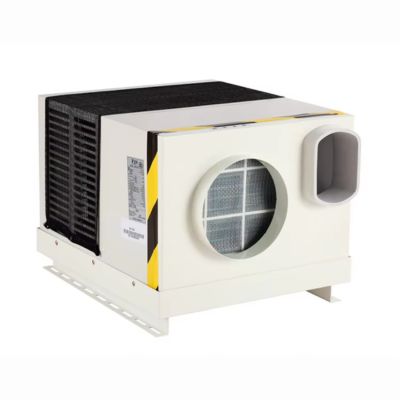
Durability and Environmental Resistance
Material Quality:
The construction and materials used in the air conditioner must withstand vibration, dust, and temperature variations common in elevator shafts.
Robust Design:
Choose models that offer high durability and can operate reliably over time. Units with enhanced seals and robust cooling mechanisms are ideal for challenging environments.
Energy Efficiency and Cost-Effectiveness
Operational Savings:
Energy-efficient air conditioners can lead to significant cost savings over time. Look for models that feature inverter technology or other energy-saving capabilities.
Cost Analysis:
Evaluate both the initial cost and the long-term maintenance and energy consumption. Sometimes a higher upfront investment results in lower overall costs.
Safety and Certification Standards
Compliance:
Ensure that the chosen air conditioner complies with relevant safety standards such as ISO, CE, and UL. These certifications ensure that the product has undergone rigorous testing.
Reliability:
High-quality certified products tend to perform better and last longer, reducing the need for frequent maintenance.
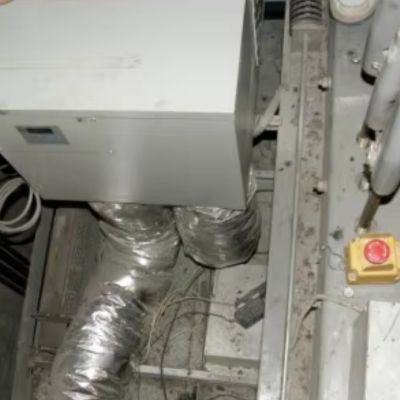
Installation and Maintenance Best Practices
Once the right elevator air conditioner is chosen, proper installation and regular maintenance are key to ensuring optimal performance.
Professional Installation
Expert Handling:
Always opt for professional installation to ensure that the air conditioner is set up correctly. Follow the manufacturer’s guidelines closely.
Pre-Installation Checks:
Verify compatibility with your elevator system and confirm that the installation site meets all requirements (e.g., space, ventilation, accessibility).
Routine Maintenance Tips
- Regular Inspections:
Schedule periodic checks to assess the condition of the air conditioner. Look for signs of wear, dust accumulation, or any unusual noises that may indicate issues. - Cleaning and Filter Replacement:
Clean the unit and replace filters as recommended by the manufacturer to ensure efficient operation. - Performance Testing:
Regularly monitor cooling performance and power consumption to ensure the unit operates within specified parameters. - Documentation:
Keep detailed records of maintenance activities, adjustments, and any issues encountered. This documentation is invaluable for long-term performance tracking.
Common Mistakes to Avoid
Understanding common pitfalls can save you time and money:
- Oversizing or Undersizing:
Selecting a unit that is too powerful or not powerful enough can lead to inefficiencies and increased energy costs. - Ignoring Energy Efficiency:
Focusing solely on upfront costs without considering long-term energy consumption may lead to higher operational expenses. - Neglecting Maintenance:
Skipping regular maintenance can cause minor issues to escalate into major failures. - Poor Integration:
Failing to ensure compatibility with existing systems may lead to installation challenges and suboptimal performance.
The Role of Quality Elevator Parts Suppliers
When it comes to elevator air conditioners, choosing a reliable supplier is as important as selecting the right model. High-quality products not only ensure better performance but also reduce maintenance frequency and downtime. We supply premium elevator air conditioners and related parts from trusted manufacturers, ensuring that every product meets international safety and quality standards. Our commitment to excellence ensures that our clients receive reliable solutions designed to meet the specific demands of their elevator systems.
Conclusion
Choosing the right elevator air conditioner is crucial for maintaining passenger comfort, system efficiency, and overall safety. By considering factors such as cooling capacity, installation space, noise levels, durability, energy efficiency, and safety certifications, maintenance personnel can make informed decisions that enhance system performance. Additionally, following best practices for installation and routine maintenance will help prevent common issues and ensure long-term reliability.
Contact us today to learn more about our top-tier elevator air conditioners and discover how POTENSI can help you achieve the ultimate in elevator performance and safety.
Key Dimensions of Escalator Handrails: A Guide
TCL Elevator Air Conditioning Fault Analysis and Solutions
Related Article