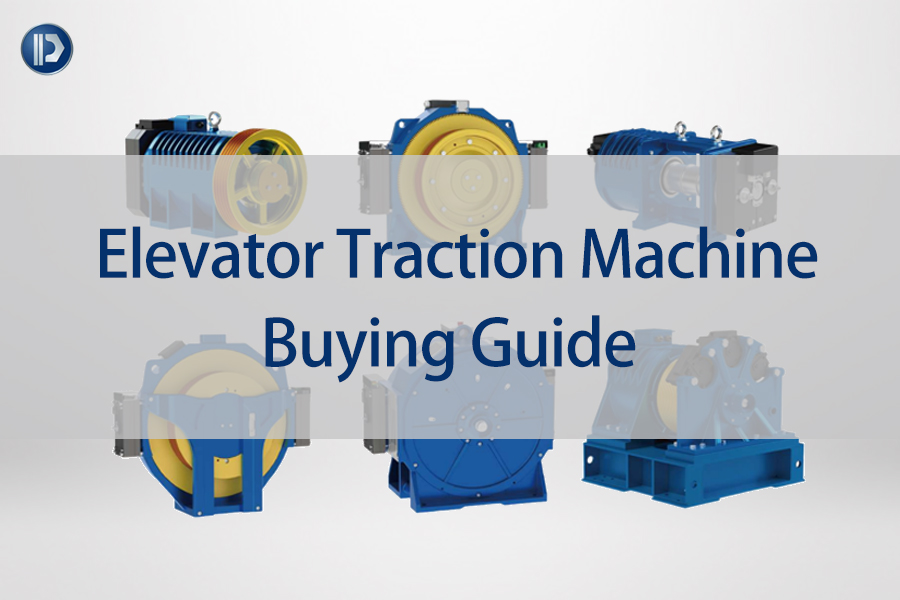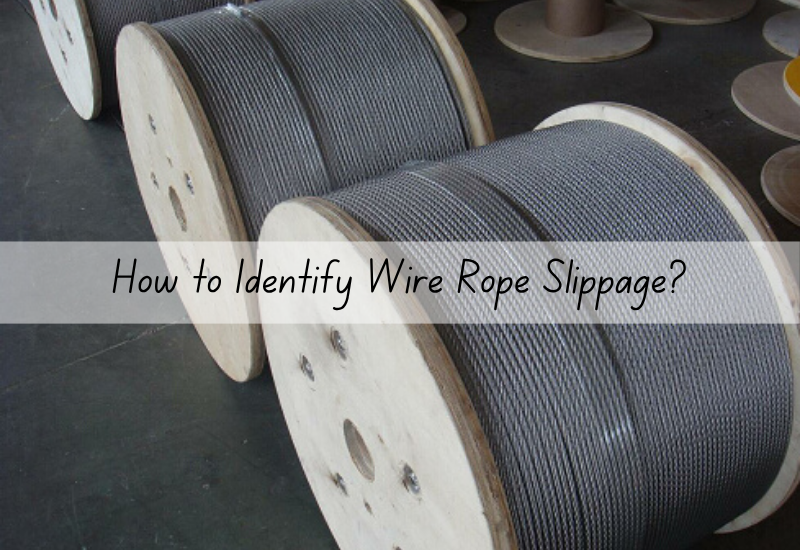
How to Choose a KONE MX Series Traction Machine for Your Project
Choosing the right traction machine is a critical part of elevator maintenance and project planning. The KONE MX series traction machines are a popular choice due to their reliable performance and energy efficiency. In this guide, we provide clear, actionable steps to help you choose the ideal KONE MX series traction machine for your project. Our goal is to give you practical advice so you can match your specific project requirements with the right product—without unnecessary fluff.
Understanding KONE MX Series Traction Machines
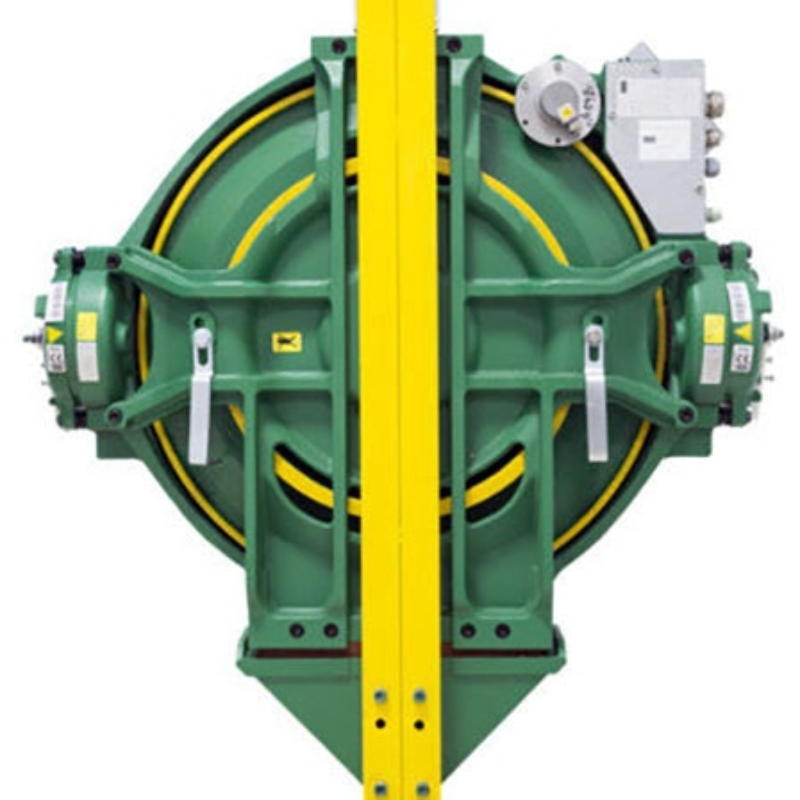
KONE MX series traction machines are designed for a variety of elevator applications. They are built to provide smooth, efficient operation and to meet diverse load and speed requirements.
Key Components
- Motor: Provides the driving force.
- Gearbox: Transmits power from the motor to the drive system.
- Control Systems: Regulate performance parameters like speed and braking.
- Safety Features: Include overload protection and emergency stop functions.
Understanding these components is essential when evaluating whether the MX series meets your project needs.

Key Considerations When Choosing a Traction Machine
When selecting a traction machine, several factors should be taken into account. We outline these below to help you make a well-informed decision.
1. Project Requirements
- Building Type:
Determine if the project is residential, commercial, or industrial. Different building types have varying load and usage patterns. - Passenger Capacity and Load:
Assess the number of passengers and maximum load. High-capacity projects require machines with higher power output. - Usage Frequency:
Consider the duty cycle of the elevator. Machines in high-traffic buildings need to handle frequent starts and stops.
2. Performance Metrics
- Energy Efficiency:
Look for machines that offer lower energy consumption. Energy-efficient models reduce operational costs over time. - Speed and Acceleration:
The traction machine should provide smooth acceleration and deceleration. This improves ride comfort and reduces wear on components. - Noise and Vibration:
A quieter, less vibratory machine indicates better engineering and installation, contributing to overall comfort and durability.
3. Safety and Compliance
- Certifications and Standards:
Ensure the traction machine meets local and international safety standards. This is crucial for both regulatory compliance and passenger safety. - Built-In Safety Features:
Verify that the machine includes necessary safety mechanisms such as emergency brakes, overload protection, and automatic fault detection. - Reliability Under Stress:
Evaluate how the machine performs under variable loads or emergency conditions.
4. Customization and Integration
- System Compatibility:
The MX series traction machine must integrate seamlessly with your existing elevator control systems. - Flexibility for Upgrades:
Consider whether the machine can be upgraded or customized to meet future requirements. - Installation Considerations:
Ensure that the machine’s size and design fit within your elevator shaft and overall system design.
5. Budget and Lifecycle Costs
- Initial Investment vs. Long-Term Costs:
While the upfront cost is important, consider maintenance, energy usage, and potential downtime costs over the machine’s life. - Return on Investment (ROI):
A higher-quality machine may cost more initially but can offer savings through reduced maintenance and lower energy bills. - Maintenance Requirements:
Choose a machine known for its durability and ease of maintenance to minimize long-term operational interruptions.
Sourcing from a Reliable Elevator Parts Supplier
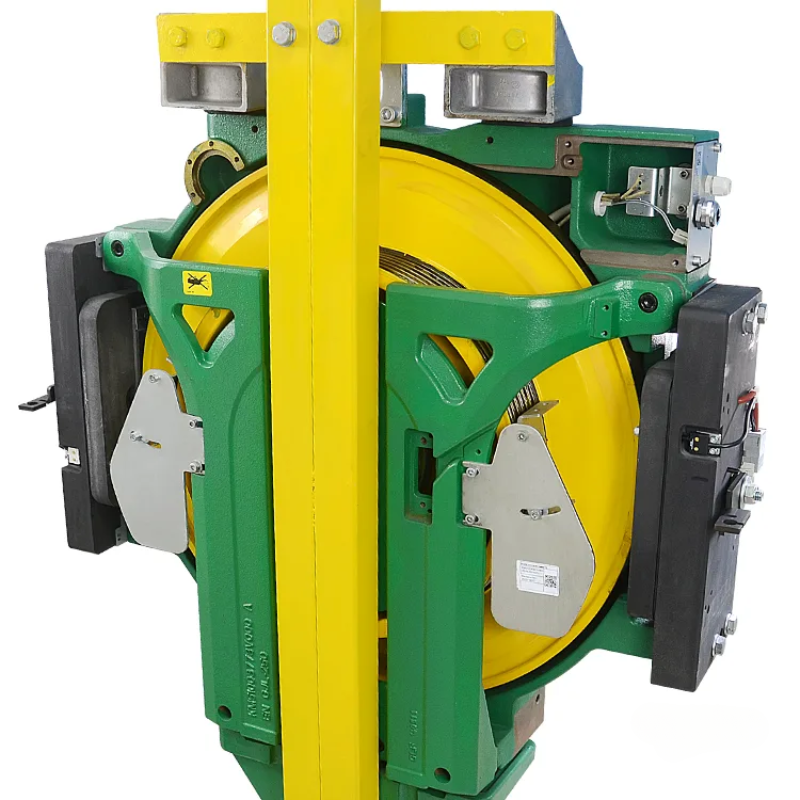
Sourcing genuine parts is essential for maintaining the performance and safety of your elevator system. When it comes to KONE MX series traction machines, choosing the right supplier makes all the difference.
Importance of Quality Parts
- Performance Assurance:
Genuine parts are engineered to work seamlessly with your traction machine, ensuring optimal performance. - Safety and Reliability:
High-quality components reduce the risk of failures that could lead to downtime or safety hazards. - Longevity:
Durable parts contribute to a longer service life for the entire elevator system, reducing long-term maintenance costs.
Evaluating a Supplier
When selecting an elevator parts supplier, consider these factors:
- Industry Reputation:
Choose a supplier known for delivering quality parts consistently. - Certifications:
Ensure the supplier’s products meet all necessary safety and quality standards. - Customer Support:
Look for suppliers who offer robust technical support and after-sales service. - Product Availability:
Reliable suppliers should be able to provide timely delivery to avoid prolonged downtime during maintenance.
Our Recommendation: POTENSI
At POTENSI, we specialize in providing genuine KONE MX series traction machines and related parts. Our commitment is to offer products that meet strict quality standards without unnecessary embellishments. We focus on practical, reliable solutions that help you reduce downtime and keep your elevator systems running efficiently. With our competitive pricing and comprehensive technical support, POTENSI is a trusted source for your elevator parts needs.
Conclusion
Choosing the right KONE MX series traction machine is critical for the performance, safety, and efficiency of your elevator system. By carefully considering your project requirements, evaluating performance metrics, ensuring safety compliance, and balancing budget and lifecycle costs, you can select a traction machine that meets your needs today and into the future.
Ready to optimize your elevator system with a genuine KONE MX series traction machine?
Contact POTENSI today to explore our range of high-quality elevator parts and traction machines. Our expert team is here to support you with technical guidance and prompt delivery, ensuring that your projects run smoothly and efficiently.
5 Troubleshooting Methods for Excessive Elevator Traction Machine Noise
KONE MX18 Traction Machine Repair & Maintenance Tips
Related Article