Comprehensive Guide to Elevator COP and LOP Panels
Elevator systems are crucial in modern buildings, ensuring smooth, efficient, and safe vertical transportation. Among their essential components, Car Operating Panels (COP) and Landing Operating Panels (LOP) play a vital role in user interaction and system functionality.
In this guide, we will explore everything you need to know about COP and LOP panels, including their functions, materials, features, and factors to consider when choosing the right panels for your project. Let’s dive in to help you make informed decisions and enhance your elevator systems.
What Are COP and LOP Panels?
Car Operating Panel (COP)
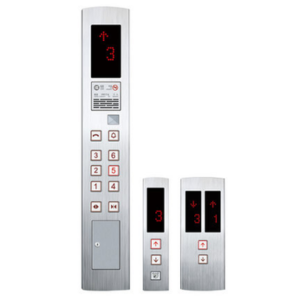
The COP is the interface located inside the elevator car, allowing passengers to control their ride. It ensures users can easily select their floor, monitor elevator status, and access emergency functions.
Functions of a COP:
- Floor Selection: Buttons or touchscreens allow passengers to choose their destination.
- Emergency Functions: Includes an alarm, intercom, or emergency stop to ensure passenger safety.
- Door Control: Open and close buttons help improve boarding efficiency.
- Information Display: LED screens or floor indicators provide real-time updates on travel direction and current location.
Landing Operating Panel (LOP)
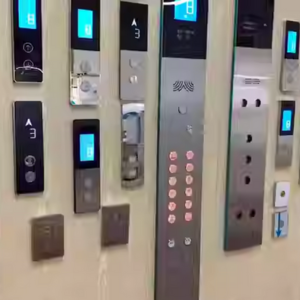
The LOP, positioned outside the elevator doors, enables users to summon the elevator and indicate travel direction before boarding. It provides an intuitive interface for passengers to interact with the elevator system.
Functions of an LOP:
- Call Buttons: Typically include "up" and "down" options to direct elevator movement.
- Indicators: Lights or displays show the elevator's current status and arrival direction.
- Destination Entry (Advanced Systems): Some LOPs feature floor selection capabilities for enhanced traffic control.
Why Are These Panels Important?
- Enhanced User Experience: Clear interfaces and responsive buttons improve passenger satisfaction.
- Safety and Reliability: Emergency functions on COPs and clear indicators on LOPs enhance system dependability.
- Efficient Traffic Flow: Destination control and floor-specific features reduce wait and travel times.
Key Considerations When Choosing COP and LOP Panels
When selecting COP and LOP panels for your elevator system, consider these factors:
1. Functionality
- Choose panels that meet the needs of your building, whether for basic operations or advanced destination controls.
- For high-traffic buildings, opt for panels with touchscreens or voice-activated commands to streamline interactions.
2. Durability
Panels must withstand frequent use. Materials like stainless steel or tempered glass ensure long-term reliability, especially in commercial or residential environments.
3. Aesthetic Design
Match the design of your elevator interiors with the right panel finishes. From sleek modern touchscreens to classic brushed metal, customization options can complement the building’s overall aesthetic.
4. Compliance with Standards
Ensure your panels meet safety and accessibility regulations, such as ADA compliance for accessible button heights and Braille markings.
5. Budget
Balance features and costs. High-quality panels might cost more upfront, but they save money in the long term through reduced maintenance and improved user satisfaction.
Materials and Technologies
High-quality COP and LOP panels are crafted using materials that ensure durability, functionality, and an appealing design.
- Stainless Steel: Resistant to corrosion and scratches, perfect for heavy-duty use.
- Tempered Glass: Used in touchscreens for a sleek, modern look.
- Plastic and Polycarbonate: Lightweight and versatile for custom buttons and covers.
- Aluminum and Other Alloys: Ideal for premium finishes and structural durability.
Advanced technologies like LED displays, capacitive touchscreens, and voice recognition add convenience and elevate user experience.
Costs of COP and LOP Panels
Pricing varies based on features, materials, and customization options:
- COP Panels: Basic models cost around $140–$200, while advanced touchscreens and premium finishes can exceed $300.
- LOP Panels: Prices start at $20–$60 for standard designs and increase with advanced features like integrated displays.
Investing in quality panels ensures better performance and long-term savings on maintenance.
Why Choose Potensi for COP and LOP Panels?
At Potensi, we pride ourselves on providing cutting-edge elevator and escalator solutions tailored to your needs. Our COP and LOP panels are designed with a perfect blend of functionality, aesthetics, and durability.
Why Our Panels Stand Out:
- Premium Materials: From stainless steel to tempered glass, we ensure our products meet the highest quality standards.
- Customizable Designs: Adapt the panels to your building’s specific style and requirements.
- Competitive Pricing: Get top-quality panels without overspending.
- Global Standards: All our products comply with international safety and accessibility guidelines.
With our extensive experience, we’re committed to supporting your elevator projects with solutions that add value and efficiency.
Conclusion
Elevator panels are more than just functional components—they’re the key to a safe, efficient, and enjoyable elevator experience.
Looking to upgrade or install new COP and LOP panels? Explore our range of Potensi products and discover how we can help you improve your elevator systems. Contact us today or visit our website for more information.
Let’s create better elevator solutions together—reliable, stylish, and built to last.
Reasons for Elevator Shaking and Vibration
Top 5 Elevator Test Tools for Maintenance Professionals
Related Article