How to Choose the Right Elevator Traction Machine for Your Building?
Choosing the right elevator traction machine can be a complex decision, especially when you're in the early stages of planning a building's elevator system. Whether you're a builder, architect, or property manager, making the right choice ensures your elevator runs smoothly, efficiently, and safely. In this guide, we will walk you through the different types of elevator traction machines, what factors to consider, and how to make the best choice based on your building's specific needs. By the end of this article, you'll have a better understanding of how to select the perfect system for your building.
Let's explore the key types of traction machines and help you determine which one best fits your building.
What is an Elevator Traction Machine?
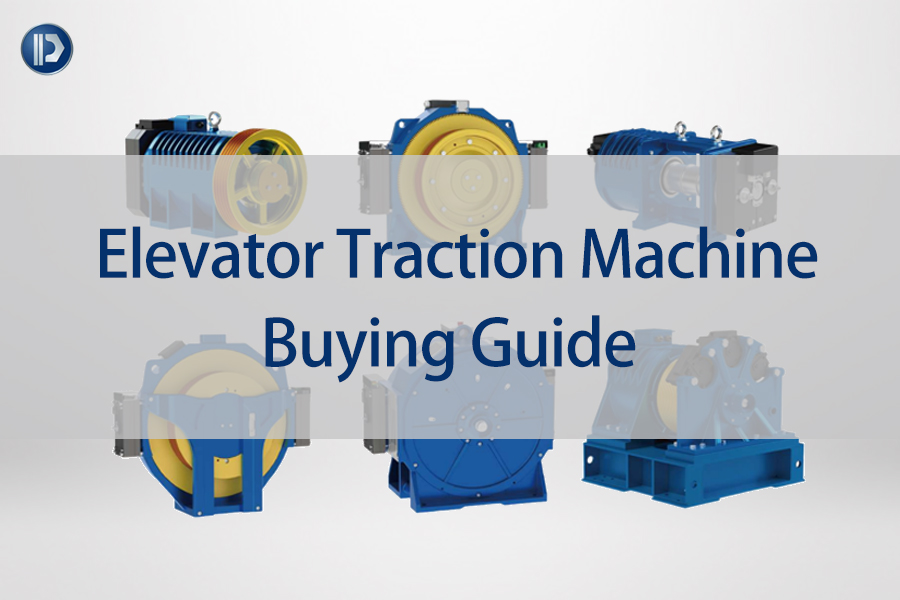
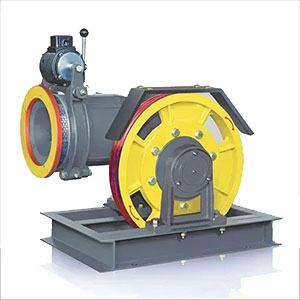
An elevator traction machine is the core mechanism that powers an elevator. It consists of a motor and a pulley (or sheave) system, which moves the elevator car up and down. The motor drives the sheave, which is attached to cables or ropes that pull the car. The performance of the traction machine influences the speed, capacity, and smoothness of your elevator.
Different types of elevator traction machines vary in their design and capabilities. These include geared and gearless systems, with further distinctions between synchronous and asynchronous motors. Understanding these differences will help you choose the right traction machine for your specific needs.
Types of Elevator Traction Machines
Here’s a quick breakdown of the main types of elevator traction machines, their features, and their ideal applications.
| Type of Machine | Description | Best For | Advantages | Limitations |
| Geared Traction Machine | Uses a gearbox to connect the motor to the sheave. | Low-rise buildings (1-6 floors), moderate traffic | Cost-effective, easy to maintain, reliable for low-traffic | Noisier operation, less energy-efficient |
| Gearless Traction Machine | The motor directly drives the sheave, with no gearbox. | High-rise buildings (7+ floors), high traffic | Smooth, quiet, energy-efficient, long lifespan | Higher initial cost requires more installation space. |
| Synchronous Machines | Runs at a constant speed, more energy-efficient. | High-rise buildings, energy-efficient setups | High energy efficiency, precise control | More complex, and requires specialized maintenance |
| Asynchronous Machines | Simpler motor design, cost-effective for standard setups. | Mid-rise buildings (6-12 floors) | Cost-effective, reliable for standard traffic | Higher operational costs, less energy-efficient |
Key Takeaway
For low-rise buildings, a geared traction machine may be sufficient, while gearless or synchronous machines are ideal for high-rise buildings. The choice also depends on your energy goals and the space available for installation. If energy efficiency is a key concern, then gearless or synchronous machines are the best options.

Key Factors to Consider When Choosing an Elevator Traction Machine
1. Building Height and Load Capacity
The size and capacity of your building will heavily influence the type of traction machine you select.
- For low-rise buildings (1-6 floors), geared traction machines are generally adequate since the elevator doesn’t need to lift the car over long distances.
- For mid-rise buildings (7-12 floors), an asynchronous machine might be the best choice due to its balance of cost, efficiency, and reliability.
- For high-rise buildings (13+ floors), gearless or synchronous traction machines are recommended for their ability to handle high speeds, heavy traffic, and longer travel distances.
2. Energy Efficiency and Long-Term Costs
Energy efficiency is one of the most important factors when selecting a traction machine. Gearless and synchronous machines typically offer better energy efficiency, which helps reduce long-term operating costs.
- Synchronous traction machines are particularly energy-efficient and ideal for buildings looking to minimize energy consumption.
- Gearless machines are also highly efficient, especially for high-rise buildings with substantial elevator traffic.
3. Available Space
Consider how much space is available for the machine room or whether you’ll be using a machine room-less (MRL) system.
- Geared systems require more space due to the gearbox and motor components.
- Gearless systems are more compact, and MRL configurations can be an excellent solution for buildings with limited space for a machine room.
4. Traffic Flow and Speed Requirements
High-traffic buildings require an elevator system with high speed and reliability. If you are working on a high-rise hotel, office tower, or apartment complex with heavy elevator traffic, you’ll need a gearless or synchronous machine for smooth, efficient operation.
- For low-traffic buildings (e.g., residential buildings with fewer floors), a geared or asynchronous system may suffice.

Practical Examples: Choosing the Right Traction Machine for Your Building
Example 1: Low-Rise Office Building
For a low-rise office building (1-6 floors), a geared traction machine would be a practical, cost-effective choice. This system will handle moderate traffic efficiently and offer reliable performance at a lower cost.
Example 2: Mid-Rise Residential Building
In a mid-rise residential building (7-12 floors), an asynchronous traction machine could provide the right balance of affordability and efficiency. It can handle average traffic while keeping energy consumption manageable.
Example 3: High-Rise Commercial Building
For a high-rise office or hotel building (15+ floors), a gearless traction machine would be the best choice. It offers the efficiency, smooth operation, and performance required for heavy traffic and fast elevator speeds. This is especially important in high-rise settings where elevator reliability is crucial for keeping things running smoothly.
How to Make the Right Decision for Your Building
When choosing an elevator traction machine, it’s important to take all factors into account. From the building’s height and traffic to energy needs and available space, your choice of traction machine will affect both the initial investment and long-term performance of your elevator system.
We recommend consulting with an experienced elevator systems provider to assess your building’s needs and select the best machine. If you're not sure where to start, we at POTENSI are here to help. Our team can guide you in selecting the most suitable elevator traction machine for your project.
Conclusion
Choosing the right elevator traction machine doesn’t need to be complicated. By understanding the various types of machines and how they fit different building needs, you can make an informed decision. Whether you're managing a low-rise building, a mid-rise residential complex, or a high-rise commercial tower, the right traction machine will help ensure that your elevator system runs smoothly, efficiently, and safely.
If you're ready to find the right elevator solution for your building, we invite you to explore our range of high-quality traction machines at POTENSI. Our team is ready to support you in selecting the right system that fits your needs. Contact us today to get started!
Elevator Traction Machines: How We Help You Choose the Perfect Replacement?
10 Key Causes and Solutions for Elevator Sludge
Related Article