What Are the Functions of Elevator Safety Gear and Their Maintenance Points?
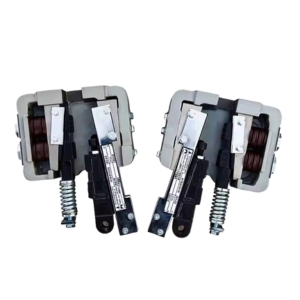
When it comes to elevator safety, few components are as essential as the safety gear. This crucial mechanism is designed to stop an elevator in the event of overspeeding or system failure, ensuring passenger and equipment safety. Whether you’re a student learning about elevators or a professional looking to enhance your knowledge, understanding the functions and maintenance of elevator safety gear is vital. Let’s dive into the details to help you make informed decisions and maintain safe operations.
Why Is Elevator Safety Gear Crucial?
Elevator safety gear serves as a last line of defense in protecting passengers and the elevator system during emergencies. It activates to halt the elevator car if the speed exceeds safe limits or in the case of mechanical failures. This ensures compliance with safety regulations and provides peace of mind for building occupants and managers alike.
Understanding Elevator Safety Gear
Safety gear is a mechanical device integrated into the elevator system to prevent accidents caused by overspeed or free-fall conditions. Depending on the elevator's speed and application, there are several types of safety gear:
- Instantaneous Safety Gear: Engages quickly for low-speed elevators, halting the car almost immediately.
- Progressive Safety Gear: Slows the car gradually, suitable for high-speed elevators.
- Auxiliary Safety Gear: Provides additional support and redundancy in certain elevator systems.
Each type plays a specific role in ensuring smooth and safe operations.

The Role of Elevator Safety Gear in System Safety
Elevator safety gear fulfills several key functions:
- Preventing Overspeed: Activates to stop the car when it moves faster than its designated speed.
- Emergency Halting: Stops the car during mechanical or electrical system failures.
- Supporting Rescue Operations: Holds the elevator securely in place, enabling safe passenger rescue.
- Compliance with Standards: Meets global safety regulations, ensuring the elevator’s reliability and legality.
Essential Tips for Maintaining Elevator Safety Gear
Regular maintenance is crucial for the reliable operation of elevator safety gear. Here are some key points to consider:
- Regular Inspection
Inspect the safety gear for wear, corrosion, or misalignment. Early detection of issues can prevent costly repairs or accidents. - Proper Lubrication
Apply the recommended lubricants to prevent mechanical sticking and ensure smooth operation. Avoid over-lubrication, as this can attract dust and debris. - Brake Testing
Conduct periodic tests to verify the performance of the braking system. Simulate emergency conditions to ensure the gear activates as designed. - Alignment Checks
Ensure the safety gear aligns correctly with the elevator rails to avoid uneven wear or malfunction. - Cleaning and Debris Removal
Keep the mechanism clean and free from debris to maintain efficiency and reduce wear and tear.

Troubleshooting Elevator Safety Gear Problems
Even with regular maintenance, issues may arise. Here are some common problems and their solutions:
- Sticky or Slow Response: This may result from inadequate lubrication or debris buildup. Cleaning and proper lubrication can resolve the issue.
- Frequent False Activations: Misaligned components or faulty sensors could be the culprit. Adjust and recalibrate the safety gear to prevent unnecessary interruptions.
- Excessive Wear: Overuse or poor maintenance can cause wear. Replace worn components promptly to ensure reliability.
- Noisy Operation: Noise often indicates misalignment or debris in the system. Address these issues during maintenance checks.
Selecting the Best Elevator Safety Gear for Your Needs
Choosing the right safety gear depends on your building type, elevator speed, and usage. Consider the following:
- Building Type: Low-rise buildings may require instantaneous safety gear, while high-rise buildings benefit from progressive systems.
- Elevator Speed: Match the safety gear type to the elevator’s speed to ensure compatibility.
- Certification: Always opt for certified and tested components to ensure compliance with safety standards.
At POTENSI, we provide a wide range of high-quality safety gear designed for reliability and durability. Our products meet global standards, making them an excellent choice for your elevator system.
Conclusion
Elevator safety gear is a fundamental component that ensures safe and reliable elevator operations. By understanding its functions, maintaining it regularly, and troubleshooting common problems, you can maximize the safety and efficiency of your elevator system. When selecting safety gear, choose products that are certified and suited to your specific needs.
If you’re looking for dependable and compliant elevator safety gear, POTENSI offers solutions that prioritize quality and performance. Reach out to us today to learn more about how our products can elevate your building’s safety standards.
How to Choose the Right Elevator Wire Rope?
Synchronous vs. Asynchronous Elevator Traction Machines: Which Is Better?
Related Article