Synchronous vs. Asynchronous Elevator Traction Machines: Which Is Better?
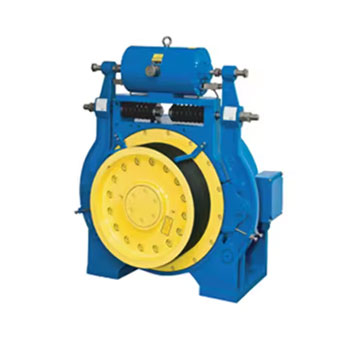
When selecting an elevator traction machine, many factors come into play, from building height and traffic flow to energy efficiency and budget. Synchronous machines are known for their advanced energy-saving features, while asynchronous machines offer a budget-friendly option for moderate-use buildings. In this article, we’ll break down the differences and help you make an informed decision.
Synchronous Elevator Traction Machines: Pros, Cons, and Applications
Advantages of Synchronous Machines
1. Energy Efficiency: Synchronous machines use permanent magnet motors, reducing energy consumption significantly. This makes them environmentally friendly and cost-effective in the long run.
2. Smooth and Quiet Operation: Their precision control ensures minimal noise and vibration, enhancing passenger comfort, especially in high-speed applications.
3. Compact and Lightweight: Synchronous machines take up less space, making them ideal for projects with limited machine room capacity.
Disadvantages of Synchronous Machines
1. Higher Upfront Cost: These machines involve advanced components and technology, resulting in higher initial investment.
2. Specialized Maintenance: Permanent magnet motors require technicians with specific expertise, potentially increasing maintenance costs and time.
Ideal Applications
Synchronous machines are the preferred choice for:
- High-rise buildings where energy efficiency is critical.
- Luxury hotels, premium office towers, and residential skyscrapers seeking superior passenger experience.
- Projects with limited space for installation.

Asynchronous Elevator Traction Machines: Pros, Cons, and Applications
Advantages of Asynchronous Machines
- Cost-Effective: These machines are less expensive than synchronous models, both in purchase price and spare parts.
- Widely Available Maintenance: The simplicity of asynchronous motors ensures easier access to replacement parts and technicians.
- Durability: Known for their reliability, asynchronous machines are robust and perform well in moderate-use environments.
Disadvantages of Asynchronous Machines
- Higher Energy Consumption: These machines are less efficient compared to their synchronous counterparts, leading to increased operational costs.
- Limited Performance: They are better suited for slower speeds and lighter loads, making them less ideal for high-rise applications.
Ideal Applications
Asynchronous machines are best for:
- Mid-rise buildings, including residential complexes and small commercial properties.
- Budget-conscious projects where the initial cost is a key factor.
- Moderate-traffic environments with fewer operational demands.

Detailed Comparison: Synchronous vs. Asynchronous
|
Feature |
Synchronous Machine |
Asynchronous Machine |
|
Energy Efficiency |
High, ideal for energy savings |
Moderate, higher power consumption |
|
Cost |
Expensive upfront, long-term savings |
Affordable upfront, higher energy costs |
|
Maintenance |
Specialized, more complex |
Easier and widely available |
|
Noise Levels |
Low, quiet operation |
Slightly louder but manageable |
|
Best Application |
High-rise, high-speed elevators |
Mid-rise, moderate-use buildings |
This side-by-side comparison highlights the key differences, making it easier to match the right traction machine to your building’s specific requirements.
Factors to Consider When Choosing
Selecting the right traction machine requires careful evaluation of your building’s needs:
- Building Height
High-rise buildings benefit from the efficiency and advanced features of synchronous machines, while asynchronous machines are sufficient for mid-rise structures.
- Traffic Flow
If your building experiences heavy traffic, such as in office towers or shopping malls, the smooth performance of synchronous machines ensures a better passenger experience. For lower traffic levels, asynchronous machines are adequate. - Budget
While synchronous machines may seem costly upfront, their energy efficiency and lower long-term costs can make them a worthwhile investment. On the other hand, asynchronous machines provide a more affordable option for projects with tight budgets. - Space Constraints
Synchronous machines’ compact design makes them ideal for projects with limited installation space. - Maintenance Availability
Consider the availability of skilled technicians and spare parts for the machine type you choose. - Example Scenarios:
- A luxury hotel in a skyscraper prioritizes energy savings and comfort, making a synchronous machine the best choice.
- A residential building in a suburban area with moderate traffic can save costs with an asynchronous machine.
Why Choose POTENSI Elevator Traction Machines?
At POTENSI, we understand that every building has unique requirements. That’s why we offer a comprehensive range of elevator traction machines, including both synchronous and asynchronous models.
Our synchronous machines are designed for cutting-edge performance, delivering energy efficiency, and passenger comfort in high-rise applications. Meanwhile, our asynchronous machines combine affordability and reliability, making them the perfect choice for mid-rise buildings.
Explore our product range and discover the ideal solution for your elevator needs. Our team is ready to provide expert guidance, ensuring you make a decision that aligns with your building’s specifications and budget.
Contact POTENSI today to learn more about our innovative traction machines and how they can enhance your elevator system!
What Are the Functions of Elevator Safety Gear and Their Maintenance Points?
How to Fix Common Elevator Air Conditioner Issues: Troubleshooting Guide
Related Article