Why Escalator Trusses Matter: Simple Design and Key Benefits

At POTENSI, we specialize in delivering top-quality escalator components designed to ensure safety, durability, and smooth performance. Among the many essential parts we offer, one stands out as the backbone of every escalator: the escalator truss.
Escalators keep people moving efficiently in airports, shopping malls, offices, and public transit systems. While most people only notice the steps and handrails, the truss plays a vital role in supporting the entire system. In this article, we’ll explain what escalator trusses are, their design features, and why they are so crucial to the safe and reliable operation of escalators. Whether you’re a new maintenance professional, an architect, a student, or a potential customer, this guide will help you better understand escalator trusses and their importance.
What Are Escalator Trusses?
Escalator trusses are the sturdy steel frameworks that hold the entire escalator together. They support the steps, tracks, and handrails, keeping the system stable while carrying passengers up or down. In simple terms, trusses are the backbone of escalators, designed to:
- Maintain alignment
- Absorb weight
- withstand daily wear and tear
Without a strong truss, an escalator cannot operate safely or effectively. High-quality trusses are built to handle significant weight and movement, ensuring both passenger safety and long-lasting performance.
Key Design Features of Escalator Trusses
The design of escalator trusses focuses on strength, durability, and functionality. Let’s look at their main features:
- Strong Materials: Most trusses are made from high-quality steel for excellent durability and the ability to handle heavy loads.
- Load Distribution: Trusses evenly distribute weight, reducing stress and preventing damage over time.
- Precise Alignment: Proper engineering ensures all parts of the escalator stay aligned, allowing smooth and efficient operation.
- Corrosion Resistance: Many trusses are coated to resist rust and environmental damage, which is especially important for outdoor or humid locations.
Why Are Escalator Trusses So Important?
The sturdy design of trusses provides several benefits, including:
- Safety: A strong truss minimizes vibrations and movement, reducing the risk of accidents.
- Durability: High-quality trusses extend the life of an escalator, especially in high-traffic areas.
- Ease of Maintenance: Robust trusses make it easier for technicians to inspect and maintain escalator components.
- Reduced Noise: By minimizing vibrations, trusses help keep escalators quieter—a key advantage in offices or other quiet spaces.
Types of Escalator Trusses
Not all trusses are the same. They can vary based on the size, load, and location of the escalator. Here are the main types:
- Standard Trusses: Ideal for indoor escalators with moderate traffic.
- Heavy-Duty Trusses: Designed for high-traffic areas like airports or transit stations.
- Custom Trusses: Made for specific architectural needs or unique space constraints.
Each type is designed to ensure optimal safety and performance for its intended use.
Modern Improvements in Truss Design
As the industry evolves, escalator trusses are becoming stronger, lighter, and more adaptable. Advances include:
- Use of lightweight materials to reduce installation challenges
- Improved corrosion-resistant coatings for better durability
- Modular designs that allow customization for different layouts
These innovations make today’s trusses more efficient and easier to install, even in complex building designs.
Common Issues and Maintenance Tips
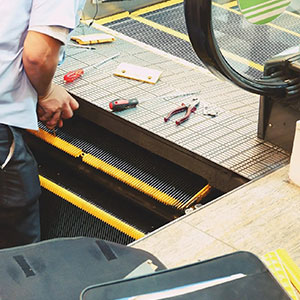
Even with the best trusses, regular maintenance is essential. Here are a few tips:
- Check Alignment: Misalignment can cause stress on the truss. Routine inspections ensure everything stays in place.
- Look for Rust: Protective coatings help, but exposed areas can still develop rust. Regular checks are important.
- Inspect for Wear: Monitor for signs of stress or damage, especially in high-traffic areas.
Addressing these issues early can extend the life of both the truss and the escalator.
Choosing the Right Escalator Truss
When selecting a truss, consider these factors:
- Load Requirements: Heavier traffic calls for stronger, reinforced trusses.
- Environmental Factors: Outdoor or humid areas need corrosion-resistant designs.
- Compatibility: Ensure the truss fits the architectural layout of the escalator.
Investing in the right truss ensures long-term safety and reliability.
Conclusion
Escalator trusses are essential to every escalator's safety, durability, and smooth performance. At POTENSI, we take pride in offering high-quality trusses and escalator components designed to meet the highest standards.
Explore our innovative solutions if you’re planning a new project or maintaining an existing system. Let us help you build reliable, efficient escalators that stand the test of time. Contact us today to learn more!
Does Elevator Air Conditioning Impact Elevator Speed?
How to Know If Elevator Oil Buffers Should Be Replaced?
Related Article