A Complete Guide to Different Types of Elevator Doors
When designing an elevator system, choosing the right door is critical. Elevator doors are not just entry and exit points—they’re integral to the system’s safety, efficiency, and overall functionality. With various types of doors available, each tailored to specific needs and environments, understanding their features can help you make a well-informed decision for your project.
In this guide, we’ll cover the basics of elevator door systems, explore different types of doors, and provide actionable insights to help you select the ideal option for your building.
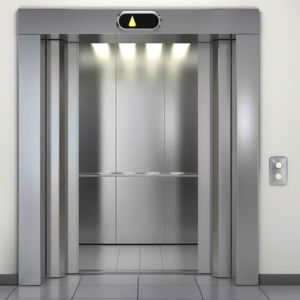
Understanding Elevator Door Systems
Elevators generally consist of two key door systems:
Landing Doors:
Landing doors are the outermost doors visible at each floor. Their primary function is to protect users from the elevator shaft when the car is not present. They open and close automatically in synchronization with the car doors and are critical for passenger safety.

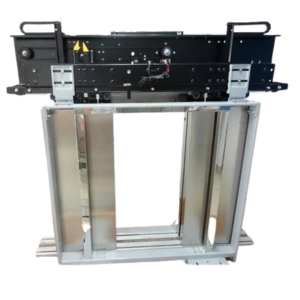
Car Doors (Cab Doors):
Car doors are attached to the elevator cab itself. They enclose the elevator interior, keeping passengers secure during transit. These doors operate automatically, opening when the elevator reaches a floor and closing before it moves to the next.
The alignment and smooth operation of landing and car doors are essential for efficient and safe elevator function.
Types of Elevator Doors
1. By Opening Mechanism
Automatic Elevator Doors:
Automatic doors are the most common choice in modern buildings. Operated by sensors and motors, they provide seamless entry and exit, enhancing user convenience. These doors are ideal for high-traffic areas, as they open and close quickly and efficiently.
Manual Elevator Doors:
Manual doors require users to open and close them by hand. While cost-effective, they are less convenient and often unsuitable for busy or commercial environments. However, they can still be found in older buildings and freight elevators.
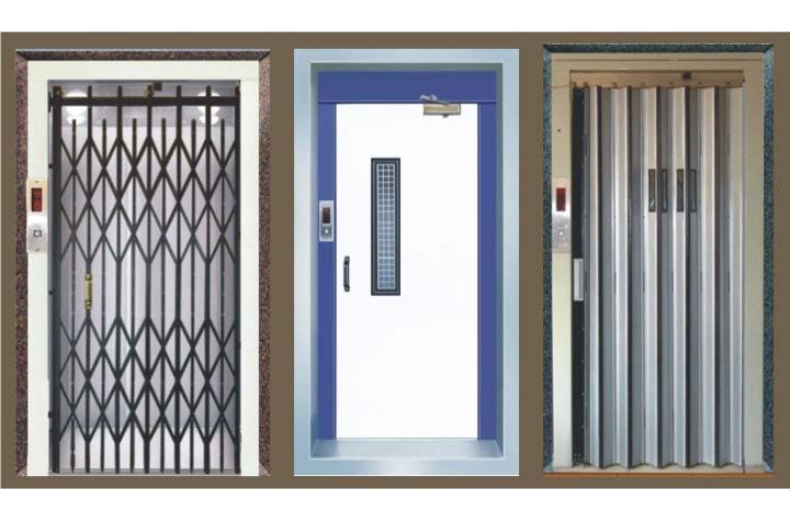
Collapsible Gates:
Often used in freight elevators or industrial settings, collapsible gates operate like an accordion, folding inwards or outwards. While they save space and offer visibility, they are less secure and less aesthetically pleasing compared to modern automatic doors.
2. By Configuration
Center-Opening Doors:
These doors split and open outward from the center, offering balanced and quick access. They are a popular choice in commercial buildings and other high-traffic environments due to their efficiency.
Side-Sliding Doors:
Sliding doors move horizontally to one side, making them a sleek and space-saving option. They are commonly used in elevators with limited space or specialized design requirements.
Two-Speed Doors:
These doors consist of two panels that move at different speeds—one fast and one slow—to ensure smooth operation. They are ideal for areas where both efficiency and safety are priorities.
Three-Speed Doors:
Designed for optimal performance, three-speed doors operate at varying speeds during different phases of use. While they offer superior efficiency, they are more complex and often come with higher costs.
3. By Material
Stainless Steel Doors:
Stainless steel is the go-to material for its durability, corrosion resistance, and sleek design. It’s widely used in commercial and industrial settings and is available in various finishes, including decorative patterns and plain polished surfaces.
Glass Doors:
Glass elevator doors, made of tempered or laminated glass, combine safety with modern aesthetics. They enhance visibility and are often used in luxury residences, shopping malls, and other upscale environments.
How Elevator Doors Work
Despite their simple appearance, elevator doors are highly engineered systems designed for safety and reliability. Here’s how they operate:
Opening and Closing:
When an elevator reaches a floor, the control system sends a signal to the motor to activate the door mechanism. This motor powers a pulley system or linear drive to move the doors.
Safety Mechanisms:
Sensors play a crucial role in detecting obstructions during door operation. If an object or person is in the way, the doors stop or reverse to prevent accidents.
Alignment:
Proper alignment between the car and landing doors is critical. Advanced systems use position sensors to ensure seamless operation and prevent misalignment issues.
Emergency Functions:
In case of power failure, elevator doors are designed to be manually opened for passenger safety.
Factors to Consider When Choosing Elevator Doors
Traffic Volume:
For high-traffic areas, such as office buildings or shopping centers, center-opening or two-speed doors are ideal for their quick operation.
Space Constraints:
Side-sliding doors work well in buildings with limited space, as they require less clearance compared to center-opening doors.
Aesthetics:
Glass doors add a modern and upscale touch, while stainless steel doors offer a classic and durable look. Choose a material that complements your building’s design.
Budget:
While automatic doors have a higher upfront cost, they offer long-term savings through improved efficiency and lower maintenance needs.
Purpose of Use:
Consider the building type—residential, commercial, or industrial—and select a door type that matches its unique requirements.
Maintenance Tips for Elevator Doors
Regular maintenance ensures your elevator doors remain safe and functional. Here are some essential tips:
- Inspect Regularly: Check door alignment, sensor functionality, and overall operation.
- Keep Sensors Clean: Dust and debris can interfere with sensor performance, so clean them periodically.
- Schedule Professional Servicing: Engage certified technicians for routine maintenance and timely repairs to prevent issues.
Why Choose POTENSI for Your Elevator Doors?
At POTENSI, we specialize in providing high-quality elevator doors that prioritize safety, efficiency, and aesthetics. Our range includes:
- Stainless Steel Doors: Durable and stylish, ideal for both commercial and industrial applications.
- Tempered Glass Doors: Perfect for modern spaces, offering enhanced visibility and design flexibility.
- Custom Solutions: Tailored to meet your specific needs, ensuring the perfect fit for your project.
With a commitment to quality, we provide competitive pricing, fast delivery, and a one-year warranty on all products. Our experienced team is here to help you select the best elevator door solution for your building.
Conclusion
Choosing the right elevator door is essential for ensuring passenger safety, operational efficiency, and aesthetic appeal. With various types, configurations, and materials available, it’s important to understand your building’s specific requirements to make the best decision.
At POTENSI, we’re dedicated to helping you achieve a reliable and visually striking elevator system. Contact us today to learn more about our comprehensive range of elevator doors and how we can elevate your building’s performance!
7 Steps for Elevator Light Curtain Safety Check
Reasons for Elevator Shaking and Vibration
Related Article