7 Signs Your Elevator Needs Modernization
Modernizing your elevator might feel overwhelming if you're a property owner or manager. However, ignoring it can lead to safety risks, higher costs, and unhappy tenants. Updating your elevator boosts safety, improves efficiency, and saves you money.
So, how do you know when your elevator needs modernization? Look for signs like frequent breakdowns, slow speeds, and outdated safety features. If your elevator feels stuck in the past, it’s time to upgrade. This ensures you meet current safety standards and enhance the passenger experience. At POTENSI, a leading supplier of elevators, escalators, and related components, we offer expert guidance, high-quality products, and tailored solutions to meet your needs. In the next sections, we’ll explore the seven key signs that indicate your elevator is ready for modernization.
1. Are Regular Breakdowns a Sign?
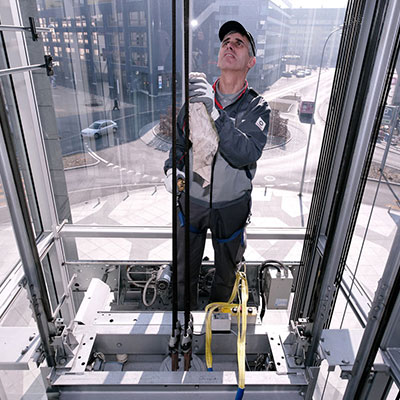
Regular breakdowns are the first warning signs. If your elevator is more temperamental than a teenager, it's time to rethink its future. Constant repairs not only eat into your budget but also annoy tenants and customers.
An elevator should ideally run smoothly with minimal interruptions. If you're often calling for repairs, you might be dealing with a system that's past its prime. This cycle of repairs can lead to significant downtime, affecting your building's functionality and your tenants' satisfaction.
For example, in a busy commercial building, every minute an elevator is out of service can mean lost business and annoyed customers. Investing in modernization can help you break this cycle and provide a more reliable service. Consider the cost of lost business when an elevator breaks down—sometimes, modernization is cheaper than ongoing repairs.
2. What About Slow Speeds?
Another big sign is slow speeds. If you're waiting longer for the elevator to arrive, it could be a sign that the system is outdated. Modern elevators offer faster speeds and more efficient operation, which can make users happier.
In busy places, like office buildings or shopping malls, the speed of the elevator is crucial. Imagine a group of people waiting for an elevator during rush hour, only to find themselves tapping their feet impatiently. Modernizing your elevator system can not only speed up service but also improve overall traffic flow, especially during busy times.
Modern systems often use smart algorithms that optimize travel patterns, reducing wait times and improving efficiency. For example, smart elevators can group calls to minimize stops, which is especially helpful in tall buildings.
3. Are Safety Features Up-to-Date?
When was the last time you checked your elevator's safety features? Old systems might not have essential upgrades that meet current safety regulations. Make sure your elevator has modern safety features like emergency communication systems and proper lighting.
Elevators play a key role in building safety. Having up-to-date safety measures can prevent accidents and give users peace of mind. Modern elevators come with safety features like emergency brakes, backup power systems, and clear emergency instructions. Investing in modernization means you'll have equipment that meets the latest safety standards, protecting both passengers and your liability.
Also, following regulations is key. Different regions have different laws about elevator safety. Making sure your elevator meets these regulations not only protects users but also protects you from potential legal issues.
4. Is Your Elevator Energy Efficient?
An energy-efficient elevator can significantly cut operating costs. If your elevator is still running on old technology, it might be using more energy than needed. Upgrading to a more efficient model can help save on energy bills and reduce your carbon footprint.
Today's elevators come with advanced technologies designed to boost energy efficiency, like regenerative drives. These systems can turn excess energy generated during operation back into the power grid, significantly reducing energy use. By modernizing, you not only save money but also help the environment—something increasingly valued by tenants and stakeholders.
Plus, energy-efficient elevators can qualify for green building certifications, making your building more attractive. Many tenants are now looking for eco-friendly options, and having an energy-efficient elevator can be a big selling point.
5. How Do Maintenance Costs Compare?
Look at your maintenance costs. Are they getting higher each year? High maintenance can indicate that your elevator isn't running as well as it should. Modernization can lower these costs and reduce the need for repairs.
Think about it this way: spending a bit more upfront on a modernization can save you a lot in ongoing maintenance. Newer systems often come with warranties and need less frequent servicing, letting you use resources more efficiently. Plus, advanced technology in modern elevators can provide predictive maintenance capabilities, alerting you to potential issues before they become big problems.
For example, some systems can monitor performance in real time, alerting maintenance teams about any irregularities. This proactive approach not only saves money but also improves the overall reliability of the elevator.
6. What Do You Know About New Technology?
Advancements in elevator technology can offer big improvements. From advanced control systems to predictive maintenance capabilities, modern elevators can boost efficiency and passenger experience. Staying updated with technology trends can guide your decision-making.
For example, modern elevators can provide real-time data about their operations, allowing for proactive maintenance and minimizing downtime. Features like touchless controls have become popular, especially considering health concerns. These upgrades not only improve functionality but also provide a safer experience for users.
Also, consider integrating smart building technology. Elevators can now communicate with other systems within a building, optimizing overall performance. Imagine an elevator that knows when it's busy and adjusts its operations accordingly. Modernizing such a system can streamline your building's operations.
7. Are Your Users Happy?
Finally, consider user feedback. Are tenants or customers complaining about the elevator? Their experience is crucial. An unhappy rider might suggest a modernization is overdue.
User satisfaction can greatly affect your property's reputation. Modernizing elevators not only improves performance but also improves the overall user experience, leading to happier tenants and potentially higher property value.
Also, consider doing user surveys to get feedback on elevator performance. This data can provide valuable insights and help you prioritize which upgrades are most needed. After all, a happy tenant is likely to renew their lease or recommend your property to others.
Conclusion
In short, watching for these signs can save you time and money. If you notice regular breakdowns, slow speeds, outdated safety features, high maintenance costs, or unhappy users, it's time to think about a modernization. This not only boosts safety but improves user experience too.
With a wealth of experience in the elevator industry, Potensi has the expertise and credibility to meet our customers' needs and exceed their expectations. Elevators are our main business. We're committed to providing customers with top-quality products and services. So if you have any questions or needs about elevators or any other related products, please feel free to contact us at any time.
How to Know If Elevator Oil Buffers Should Be Replaced?
How to Keep Maintenaince for Elevator Air Conditioner?丨Potensi Elevator
Related Article