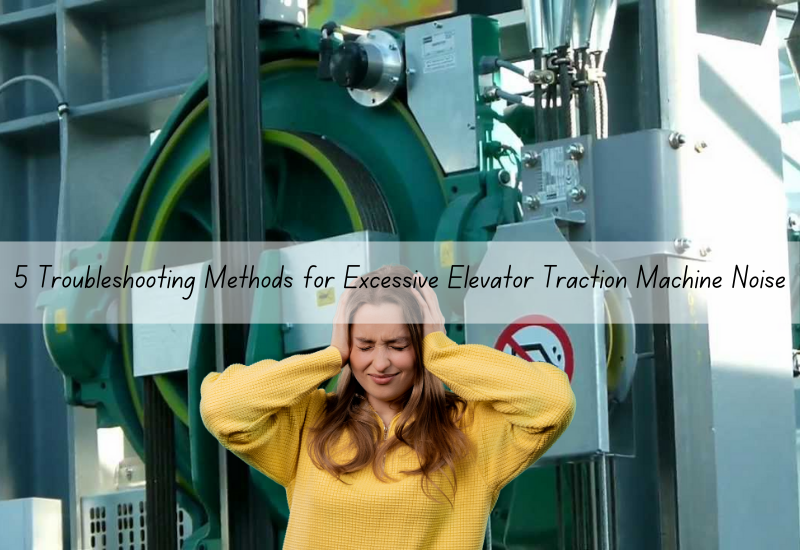
5 Troubleshooting Methods for Excessive Elevator Traction Machine Noise
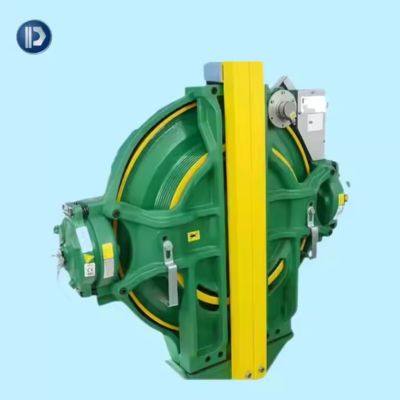
The elevator traction machine is a key part of the elevator system, and it plays a crucial role in ensuring the smooth and efficient operation of the elevator. However, excessive noise from the traction machine may indicate potential problems. If these problems are not dealt with in time, they may lead to high maintenance costs and endanger the safety of elevator operation. Therefore, it is essential to identify and solve noise problems as early as possible to maintain the good performance of the elevator and the comfort of passengers.
In this guide, we will explore five key troubleshooting methods to diagnose and reduce the noise of the elevator traction machine. By following these steps, we can make the elevator system quieter and more reliable.
Understanding the Causes of Elevator Traction Machine Noise
Before troubleshooting, it is very important to understand the potential causes of excessive noise:
- Mechanical Wear and Tear: As the service life increases, the components age and may vibrate and make abnormal noises.
- Improper Installation or Misalignment: Incorrect installation or misalignment can cause friction between components, thus causing noise.
- Lubrication Issues: Lack of proper lubrication will increase the direct contact between metal components and then produce noise.
- Electrical Problems: Frequency fluctuations or motor winding failures may produce abnormal sounds.
- Environmental and Load Factors: Overloading of the elevator or poor conditions in the machine room can amplify the noise.
1. Inspecting and Adjusting Machine Alignment
Misalignment between the traction machine, motor, and drive sheave is one of the main causes of noise. The inspection and adjustment methods are as follows:
- Check whether there is uneven wear on the drive sheave and drive components.
- Use alignment tools such as laser aligners or dial indicators to measure the deviation.
- Adjust the position to ensure proper alignment and reduce unnecessary friction and noise.
2. Checking Bearings and Gearbox Condition
Worn-out bearings and gearbox components usually make grinding or squeaking noises. The troubleshooting steps are as follows:
- Listen carefully for any abnormal humming, grinding, or knocking sounds.
- Check the bearings for signs of wear, rust, or looseness.
- Replace the damaged bearings in time to prevent further mechanical failures.
- Check the lubrication of the gearbox to ensure that the gears are not excessively worn.
3. Ensuring Proper Lubrication
Insufficient lubrication will lead to increased friction and unnecessary noise. The following measures are recommended:
- Use lubricants approved by the manufacturer and suitable for the traction machine.
- Check and replenish the lubricant level according to the maintenance plan.
- Ensure that all moving parts are evenly lubricated.
- Avoid over-lubrication, which may attract dust and debris.
4. Diagnosing Electrical Issues
Electrical problems such as voltage fluctuations and winding failures may cause noise. The diagnostic methods are as follows:
- Use a multimeter to check whether the voltage is abnormal.
- Check whether there is an insulation breakdown or short circuit in the motor windings.
- Monitor whether there are signs of frequency instability in the inverter.
- If serious problems are found, consult an electrical expert in time.
5. Evaluating Load and Environmental Factors
Sometimes, excessive noise is caused by external factors rather than the traction machine itself. The following points should be considered:
- Ensure that the elevator is not overloaded.
- Check whether the sound insulation and ventilation in the machine room are good.
- Use vibration isolation pads to reduce the transmission of structural noise.
Preventive Maintenance Strategies
To avoid the recurrence of noise problems, regular maintenance measures should be implemented:
- Conduct regular inspections to find wear and misalignment problems as early as possible.
- Arrange the addition of lubricants and the replacement of bearings according to the manufacturer's recommendations.
- Choose high-quality replacement parts provided by reliable suppliers like POTENSI to ensure the durability of the equipment.
Conclusion
Solving the noise problem of the elevator traction machine in time helps to improve the safety of elevator operation, the comfort of passengers, and the service life of the equipment. By following these five troubleshooting methods, we can effectively diagnose and solve noise-related problems.
If you need high-quality elevator traction machine components and professional solutions, you are welcome to explore the POTENSI product range. Contact us now to ensure that your elevator system runs smoothly and quietly!
Troubleshooting Elevator Door Controllers: A Maintenance Guide
How to Choose a KONE MX Series Traction Machine for Your Project
Related Article