5 Factors That Affect the Durability of Elevator Steel Belts
Elevator steel belts are a critical component in modern elevator systems, replacing traditional wire ropes in many applications due to their enhanced durability and smoother operation. However, like any mechanical part, steel belts have a finite lifespan, and their longevity depends on several key factors. Understanding these factors can help elevator maintenance personnel ensure optimal performance, reduce downtime, and extend the service life of the belts.
In this article, we will discuss five crucial factors that influence the durability of elevator steel belts and provide practical recommendations to maximize their lifespan.
1. Material Quality and Manufacturing Process
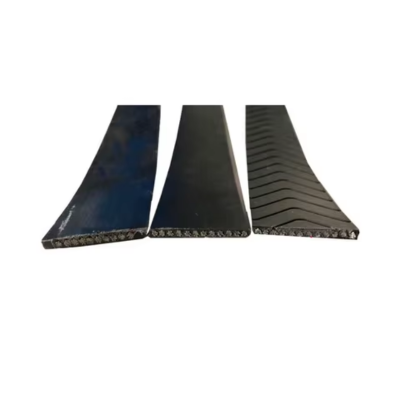
The durability of an elevator steel belt is primarily determined by its material composition and how well it is manufactured. High-quality steel belts are designed to withstand constant tension and bending cycles, while subpar materials can lead to premature wear and failure.
- Material Selection: Coated steel belts provide better resistance against wear and corrosion compared to uncoated belts. The coating helps reduce friction and protects the steel core from environmental damage.
- Manufacturing Precision: Advanced production techniques, such as laser cutting and high-precision layering, contribute to a more uniform belt structure with fewer defects. In contrast, poorly manufactured belts may develop microcracks that weaken their integrity over time.
- Quality Standards: When selecting a steel belt, it is essential to ensure compliance with international safety standards such as EN 81 and GB/T 10058, which set strict requirements for elevator components.
Recommendation: Always source steel belts from reputable suppliers that adhere to high manufacturing standards to ensure long-term reliability.
2. Operating Conditions and Load Capacity
The way an elevator operates has a direct impact on the lifespan of its steel belts. Key considerations include:
- Overloading: Exceeding the rated load capacity places excessive strain on the belt, accelerating fatigue and increasing the risk of failure.
- Operating Frequency: Elevators in high-traffic buildings (such as commercial complexes and hotels) experience more frequent cycles, leading to faster wear compared to those in residential buildings with lower usage.
- Speed Considerations: High-speed elevators exert greater forces on the steel belt, which can lead to increased wear if the belt is not designed for such conditions.
|
Operating Condition |
Impact on Durability |
Suggested Action |
|
Frequent Overloading |
Causes accelerated fatigue and failure |
Monitor load usage and avoid exceeding limits |
|
High Daily Usage |
Leads to faster wear |
Schedule more frequent inspections and maintenance |
|
High-Speed Operation |
Increases tension and friction |
Use steel belts designed for high-speed elevators |
Recommendation: Regularly monitor elevator loads and ensure the steel belt is suitable for the building’s usage pattern to avoid excessive wear.
3. Environmental Factors
The surrounding environment plays a crucial role in the longevity of elevator steel belts. Exposure to certain conditions can significantly impact their performance:
- Humidity and Corrosion: Steel belts in humid environments, such as coastal areas, are more susceptible to corrosion, which weakens their structure over time.
- Temperature Variations: Extreme temperature changes can cause the belt material to expand and contract, leading to structural stress and potential cracking.
- Chemical Exposure: If the elevator operates in an industrial setting where chemicals or pollutants are present, these substances can degrade the belt’s protective coating and accelerate wear.
Recommendation: In harsh environments, opt for steel belts with advanced corrosion-resistant coatings and conduct frequent inspections to detect early signs of degradation.
4. Maintenance and Inspection Practices
Proper maintenance is essential to prolonging the life of elevator steel belts. Without routine inspections, minor issues can escalate into major failures, leading to costly repairs and safety risks.
- Regular Visual Inspections: Check for signs of fraying, cracks, or irregular wear patterns that indicate potential problems.
- Tension Adjustment: Over time, steel belts can lose proper tension, affecting elevator operation. Regular tension checks ensure smooth performance.
- Lubrication: While steel belts typically require less lubrication than traditional wire ropes, some coatings may benefit from occasional maintenance to prevent excessive wear.
|
Maintenance Task |
Purpose |
Frequency |
|
Visual Inspection |
Identify early signs of wear or damage |
Monthly |
|
Tension Adjustment |
Ensure smooth operation and reduce stress on the belt |
Every 6 months |
|
Environmental Protection Check |
Detect corrosion or chemical damage |
As needed |
Recommendation: Implement a proactive maintenance schedule to prevent premature belt failure and enhance elevator safety.
5. Installation Quality and Alignment Precision
Even the highest-quality steel belts can experience premature wear if they are not installed correctly. Proper installation and alignment play a significant role in durability.
- Belt Alignment: Incorrect alignment can cause uneven stress distribution, leading to localized wear and potential failure.
- Tensioning Accuracy: If the steel belt is too loose, it may slip, while excessive tension can cause excessive stress, leading to fatigue.
- Component Compatibility: The belt must be compatible with the elevator’s drive system to ensure smooth operation and optimal lifespan.
|
Installation Factor |
Impact on Durability |
Best Practice |
|
Misalignment |
Causes uneven stress and accelerated wear |
Ensure precise alignment during installation |
|
Incorrect Tension |
Leads to belt slippage or excessive stress |
Adjust to manufacturer’s specifications |
|
Incompatible Components |
Results in premature wear and operational issues |
Use recommended parts and configurations |
Recommendation: Work with experienced technicians to ensure precise belt installation and alignment, minimizing potential issues from the start.
Conclusion
Elevator steel belts are a crucial component that directly affects the performance, safety, and longevity of an elevator system. By understanding and managing the five key factors—material quality, operating conditions, environmental influences, maintenance practices, and installation accuracy—maintenance personnel can significantly extend the service life of steel belts while ensuring smooth elevator operation.
At POTENSI, we supply high-quality elevator steel belts and other essential elevator parts to help maintenance professionals maintain optimal elevator performance. If you are looking for reliable and durable elevator steel belts, contact us today to explore our product range and find the best solution for your needs.
Would you like to learn more about our high-quality elevator components? Visit POTENSI now and ensure long-term reliability for your elevators!
How to choose the Right Elevator Door Machine?
Elevator Inverter Installation: Common Misunderstandings and Solutions
Related Article