¿Cuándo debemos reemplazar la polea de tracción del elevador?丨Potensi Elevator
autor: Potensi-Naranja
2022-03-21
¿CUÁNDO DEBEMOS REEMPLAZAR LA POLEA DE TRACCIÓN DEL ELEVADOR?
1, Introducción de la polea de tracción del elevador:
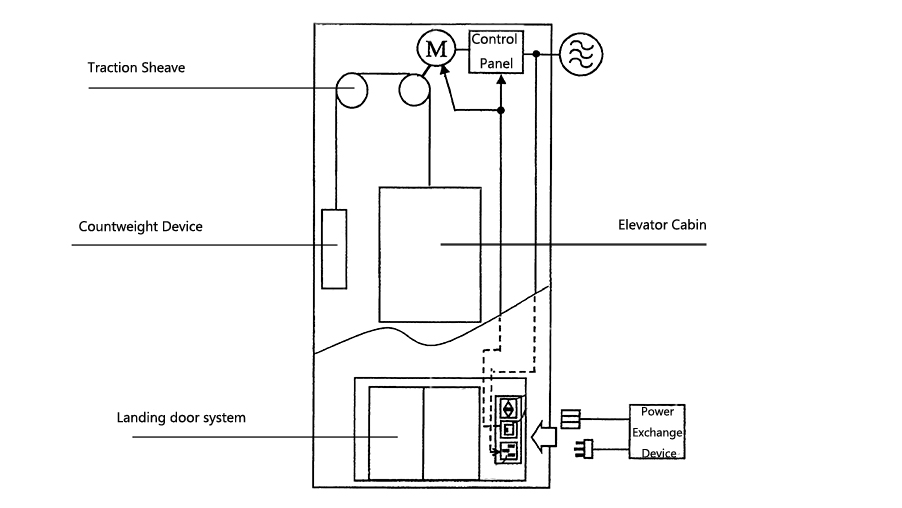
La polea de tracción es la polea en el máquina de tracción, también conocida como polea de tracción o polea motriz; es el dispositivo para transmitir la potencia de tracción del ascensor, y la fuerza de fricción entre el cable de tracción y la ranura del cable en el borde de la polea de tracción se utiliza para transmitir la potencia.
2, Razones para el desgaste de la polea de tracción del elevador:
1. El polea de tracción no coincide con el cable de acero.
2. El diseño de las condiciones de tracción no es razonable y la presión específica no es suficiente.
3. La tensión del cable de acero no es igual.
3、Standard for scrapped replacement of elevator polea de tracción:
1. Cuando la ranura del cable se desgasta y se hunde de manera inconsistente, la diferencia es de 1/10 (1,5 mm) del diámetro del cable o existe una irregularidad grave, se debe reemplazar la polea.
2. The rope groove of the polea de tracción should not have serious uneven wear, and the wear should not change the groove shape.
3. Mitsubishi standard: Due to the uneven tension of the polea de tracción, the wear of each rope groove is inconsistent. It is called to measure the distance difference between the top of each traction rope diameter and the rim of the polea de tracción. Replace the polea de tracción.
4、How to maintain the polea de tracción?
3、Standard for scrapped replacement of elevator polea de tracción:
1. Cuando la ranura del cable se desgasta y se hunde de manera inconsistente, la diferencia es de 1/10 (1,5 mm) del diámetro del cable o existe una irregularidad grave, se debe reemplazar la polea.
2. The rope groove of the polea de tracción should not have serious uneven wear, and the wear should not change the groove shape.
3. Mitsubishi standard: Due to the uneven tension of the polea de tracción, the wear of each rope groove is inconsistent. It is called to measure the distance difference between the top of each traction rope diameter and the rim of the polea de tracción. Replace the polea de tracción.
4、How to maintain the polea de tracción?
① Polea de tracción, polea
Check the polea de tracción and the drum for cracks once a week, and whether their connecting bolts are loose and displaced.
The method is: hit the polea de tracción and the tube with a hammer, judge according to the sound, check the appearance for cracks daily, and use special tools to check whether the bolts are loose. When the polea de tracción or drum is found to be cracked, it should be replaced in time
②Rope groove of polea de tracción
1. The working surface of the rope groove of the polea de tracción should be smooth. Compruebe si hay suciedad, partículas duras levantadas u ondulaciones en la ranura todos los días. Si se encuentra algún problema, debe tratarse de acuerdo con la situación específica.
2. The traction rope should not slide in the polea de tracción groove
Inspection method: When the máquina de tracción stops working (disconnect the power supply), use chalk to draw a straight line at the overlap of the traction wire rope and the polea de tracción, then close the switch and power on, so that the elevator runs for a certain distance and then returns to the original position, check the straight line Whether it is green. If it does not become a straight line, it proves that the traction wire rope has a sliding fault in the polea de tracción groove; the cause should be carefully checked.
3. The depth of the traction rope lying into the polea de tracción groove should be the same
Inspection method: Place the ruler against the outer surface of the polea de tracción in the axial direction, and use the ruler to measure the distance from the top of the traction rope in the groove to the ruler.
When the difference between each traction rope reaches 1.5mm, it means that there is a problem with the polea de tracción groove, and the rope groove should be rebuilt or the polea de tracción should be replaced.
4. A certain gap should be maintained between the bottom of the polea de tracción groove and the traction rope
For the gap between the bottom of the polea de tracción groove and the traction rope, the general requirement is not to be less than 1mm (except for special groove shapes).
Inspection method: Use a small wire or wire with a diameter of 1mm to measure the gap between the bottom of the wheel groove and the traction rope. If the gap between the bottom of the groove and the traction rope is too small, the rope groove should be trammed or the polea de tracción should be replaced.
5. The groove shape of the polea de tracción should not be deformed
If it is found that the rope groove is in the shape of a bell mouth or is worn on one side during the inspection, and the groove shape is inconsistent with the original, it means that the máquina de tracción has moved or the base is not level, and should be dealt with according to the specific situation.
6. Los pernos del asiento del cojinete no deben estar sueltos y el cojinete funciona normalmente.
Check whether the bolts of the bearing seat supporting the polea de tracción are loose, whether the bearing is lubricated well, and whether the bearing is running normally. When the bearing is found to be hot or abnormal in sound, it should be considered whether the bearing is worn. If the bearing is worn, it should be replaced as soon as possible.
Check the polea de tracción and the drum for cracks once a week, and whether their connecting bolts are loose and displaced.
The method is: hit the polea de tracción and the tube with a hammer, judge according to the sound, check the appearance for cracks daily, and use special tools to check whether the bolts are loose. When the polea de tracción or drum is found to be cracked, it should be replaced in time
②Rope groove of polea de tracción
1. The working surface of the rope groove of the polea de tracción should be smooth. Compruebe si hay suciedad, partículas duras levantadas u ondulaciones en la ranura todos los días. Si se encuentra algún problema, debe tratarse de acuerdo con la situación específica.
2. The traction rope should not slide in the polea de tracción groove
Inspection method: When the máquina de tracción stops working (disconnect the power supply), use chalk to draw a straight line at the overlap of the traction wire rope and the polea de tracción, then close the switch and power on, so that the elevator runs for a certain distance and then returns to the original position, check the straight line Whether it is green. If it does not become a straight line, it proves that the traction wire rope has a sliding fault in the polea de tracción groove; the cause should be carefully checked.
3. The depth of the traction rope lying into the polea de tracción groove should be the same
Inspection method: Place the ruler against the outer surface of the polea de tracción in the axial direction, and use the ruler to measure the distance from the top of the traction rope in the groove to the ruler.
When the difference between each traction rope reaches 1.5mm, it means that there is a problem with the polea de tracción groove, and the rope groove should be rebuilt or the polea de tracción should be replaced.
4. A certain gap should be maintained between the bottom of the polea de tracción groove and the traction rope
For the gap between the bottom of the polea de tracción groove and the traction rope, the general requirement is not to be less than 1mm (except for special groove shapes).
Inspection method: Use a small wire or wire with a diameter of 1mm to measure the gap between the bottom of the wheel groove and the traction rope. If the gap between the bottom of the groove and the traction rope is too small, the rope groove should be trammed or the polea de tracción should be replaced.
5. The groove shape of the polea de tracción should not be deformed
If it is found that the rope groove is in the shape of a bell mouth or is worn on one side during the inspection, and the groove shape is inconsistent with the original, it means that the máquina de tracción has moved or the base is not level, and should be dealt with according to the specific situation.
6. Los pernos del asiento del cojinete no deben estar sueltos y el cojinete funciona normalmente.
Check whether the bolts of the bearing seat supporting the polea de tracción are loose, whether the bearing is lubricated well, and whether the bearing is running normally. When the bearing is found to be hot or abnormal in sound, it should be considered whether the bearing is worn. If the bearing is worn, it should be replaced as soon as possible.
Análisis de datos de exportación de ascensores de China en 2021丨Potensi Elevator
Sorprendido: Potensi y Apollo ARD Factory tienen este tipo de relación 丨Potensi Elevator
Artículo relacionado

POTENSI exhibe piezas de ascensores y escaleras mecánicas en Lift Expo Moscú 2026, del 10 al 12 de noviembre. Crocus Expo, Pabellón 3, Pabellón 13, Stand A5. Traiga una parte y obtenga una respuesta directa.
Conozca a POTENSI en Lift Expo Moscú 2026 - Stand A5
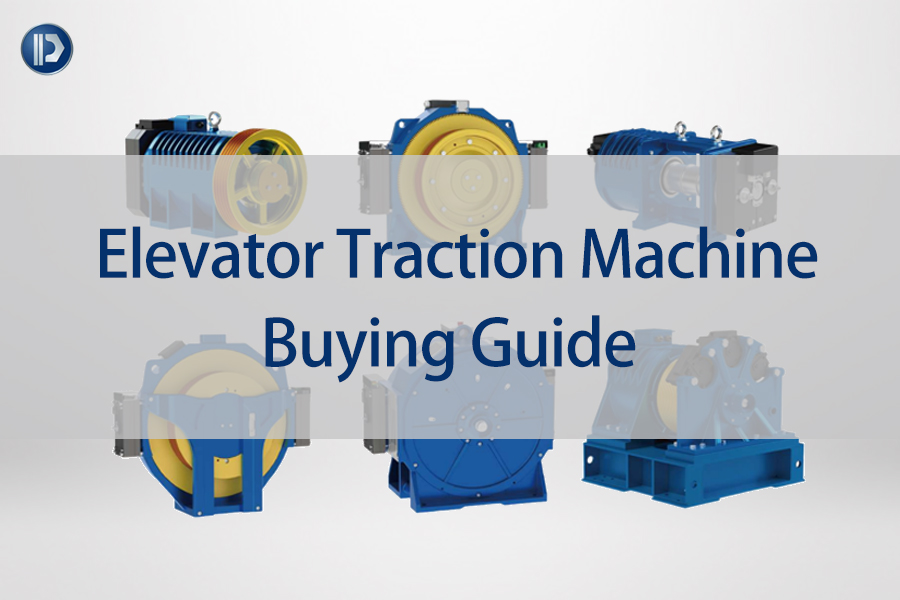
Una guía práctica sobre máquinas de tracción para ascensores, que cubre tipos, parámetros clave, selección de proveedores y consejos de compra para ayudarle a elegir la solución adecuada.
Guía de compra de máquinas de tracción para ascensores profesionales