Essential Elevator Wire Rope Discard Criteria and Replacement Guide

Knowing exactly when to replace lifting cables is the most important part of building safety. Every technician must follow strict elevator wire rope discard criteria to prevent accidents. Over time, an elevator wire rope wears out naturally from heavy loads and constant bending over pulleys. While good elevator wire rope maintenance helps these cables last much longer, they eventually reach the end of their safe lifespan. This article explains the clear warning signs that tell you a full elevator wire rope replacement is necessary.
1. Too Many Broken Wires
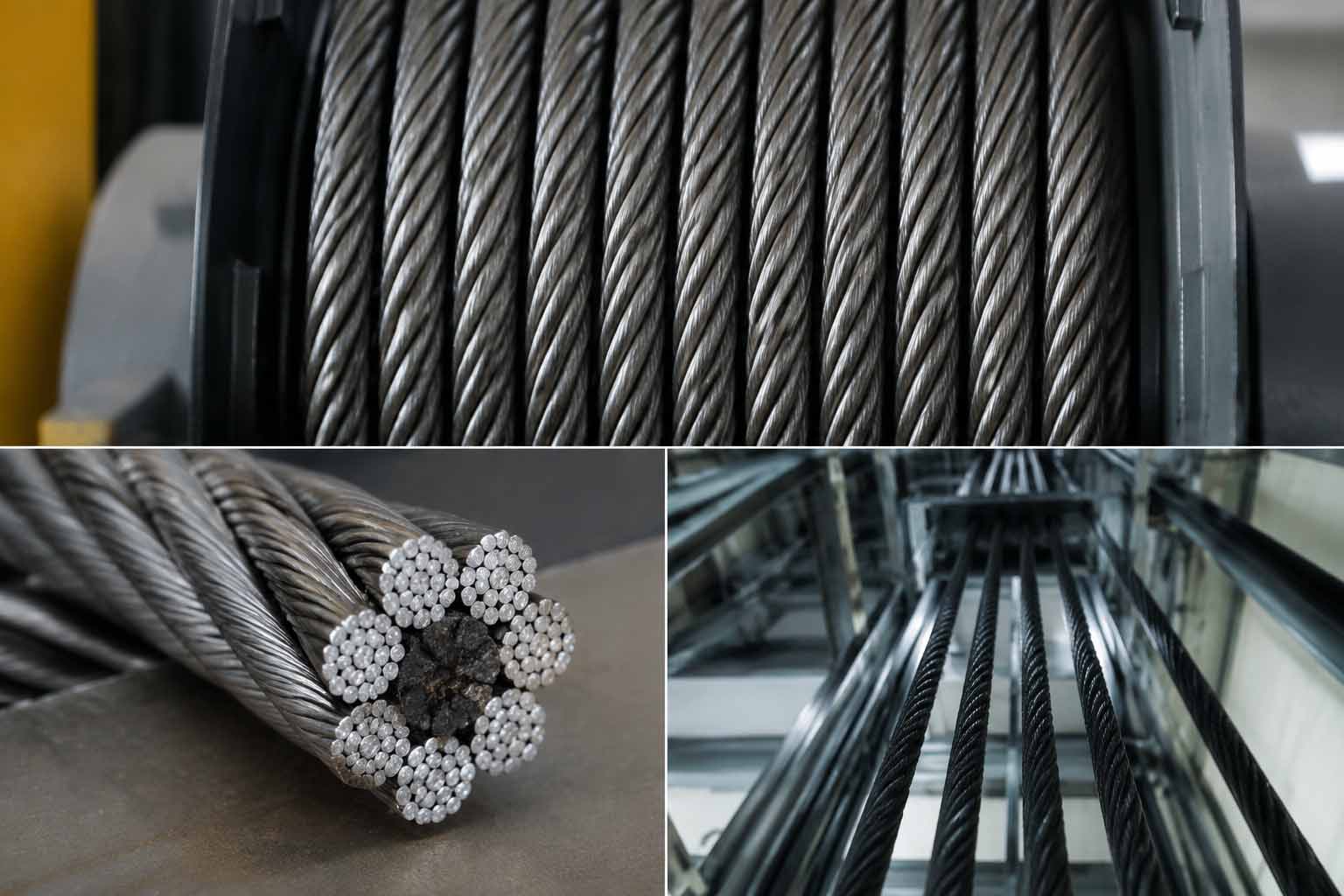
The most obvious sign of an aging cable is broken wires. As elevator wire ropes bend back and forth all day, the metal simply gets tired. Soon, the tiny wires on the outside will begin to snap.
Safety codes establish strict elevator wire rope replacement criteria, which limit exactly how many broken wires are allowed in a certain length of rope. If a maintenance inspector counts too many broken wires clustered together, the elevator steel rope must be retired. Also, if wires break deep inside the grooves, it means the core is failing and the rope must go.
2. Shrinking Rope Diameter
Over years of hard use, a steel wire rope for elevator systems will stretch out, and its inner core will compress. When this happens, the overall thickness (diameter) of the rope gets smaller.
If a wire rope for elevator use loses more than 6% to 8% of its original thickness, it becomes highly unsafe. A rope that is too thin will sink too deeply into the motor's pulley grooves. This causes the elevator to lose its friction grip, leading to dangerous slipping.
3. Red Dust (Rouging) and Rust
If you see a fine red powder on the cables, take it seriously. This red dust, known as "rouging," is created when the inside of the elevator steel wire rope runs completely dry.
When internal lubrication fails, the dry metal wires grind against each other and turn into dust. If a steel wire rope elevator system shows heavy rouging, its core is destroyed. This means you must schedule an elevator wire rope replacement procedure right away, even if you do not see any broken wires on the outside.
4. Structural Damage and Kinks
Sometimes cables get damaged by accidents or poor handling during installation. If a wire rope elevator cable has a sharp twist (a kink), it loses its lifting strength forever.
Other structural damages include "bird-caging," which happens when the outer strands pop open and separate from the core. For any wire rope for elevators, structural damage cannot be repaired or patched. The only safe choice is to replace the damaged cables completely.
Conclusion
You should never guess or delay when it comes to replacing lifting cables. Following proper elevator wire rope discard criteria is the only way to keep your building up to code and out of danger. Whether you spot broken wires, a shrinking diameter, or red dust, taking action early is vital. By performing regular checks and knowing when an elevator wire rope has reached the end of its safe life, you guarantee a smooth and reliable ride for every passenger.
Understanding the Difference Between Elevator Wire Rope and Car Lift Cable
Understanding Elevator Wire Rope Specifications Standards: A Guide for Safety
Related Article