Applications of Steel Wire Rope in Modern Elevators: An Elevator Wire Rope Guide

When looking at how vertical transportation works, understanding the applications of steel wire rope in modern elevators is very important. An elevator wire rope does more than just hold the cabin. Different ropes do very specific jobs inside the elevator shaft. They hold the weight, balance the system, and trigger emergency brakes. This article explains how each elevator steel rope is used to keep passengers safe and keep the system running smoothly.
1. Traction and Suspension Ropes (The Main Cables)
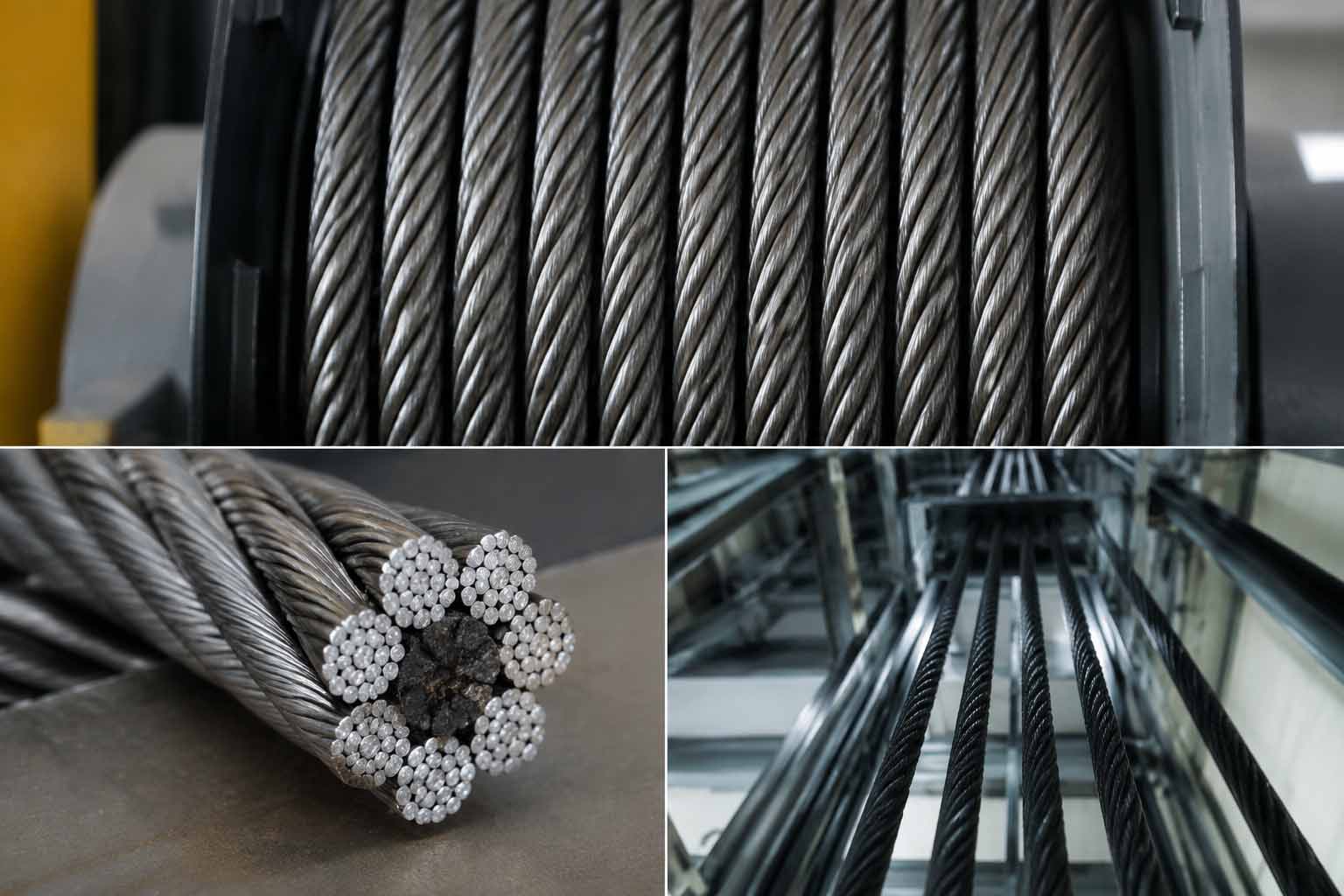
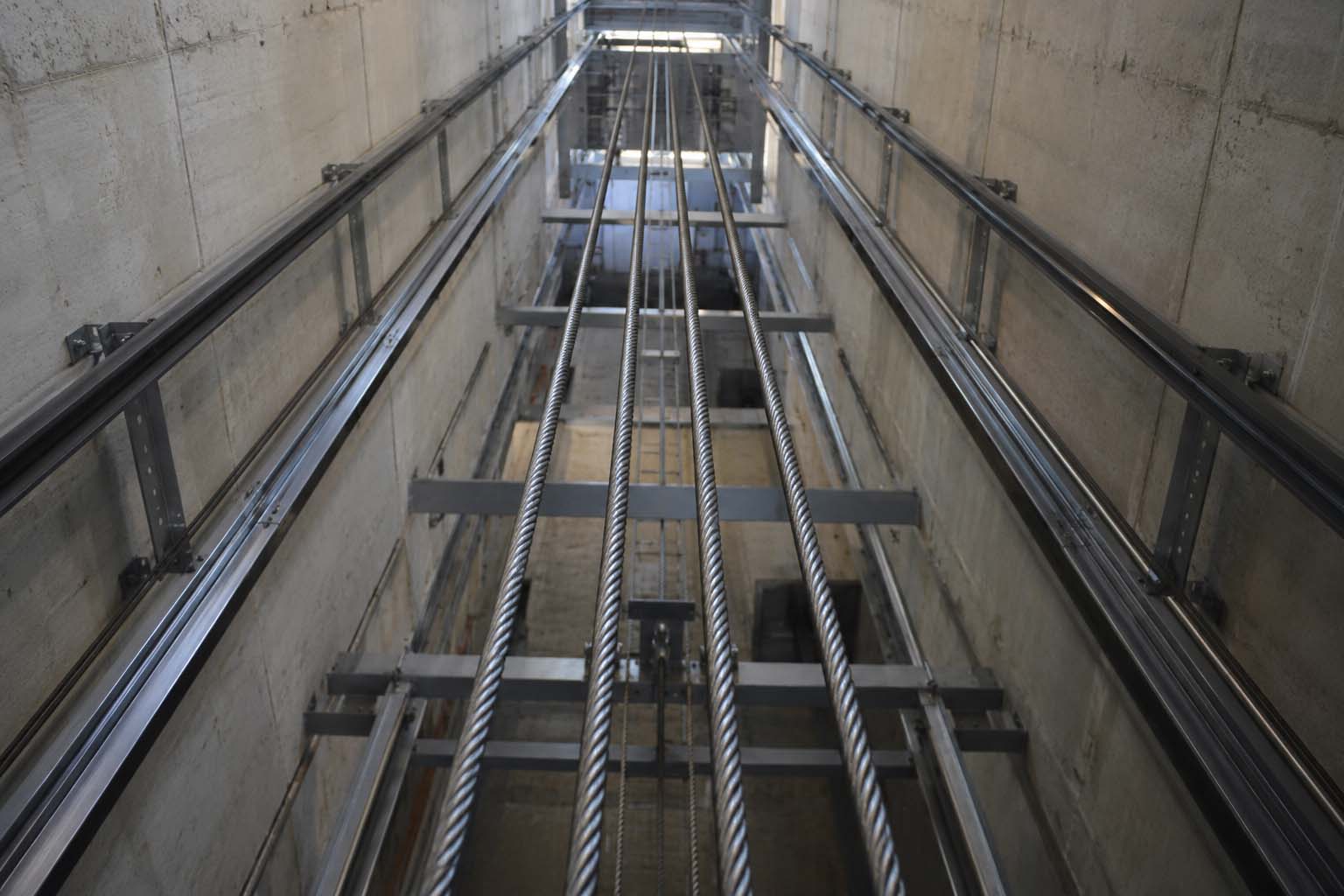
The most common use is for suspension and traction. These are the main cables you see holding the elevator cabin and the heavy counterweight. They run over the motor's drive sheave (pulley) at the top of the shaft. The friction between these ropes and the pulley grooves provides the pulling force that moves the elevator up and down.
Here, the role of steel wire rope in elevator systems is to turn the motor's power into smooth vertical movement. Because they bend over pulleys all day, a steel wire rope for elevator traction must be very strong against bending fatigue. It must also resist stretching, so the cabin lines up perfectly with the floor doors when it stops.
2. Compensation Ropes (Balancing the Weight)
In tall buildings (usually over 30 meters), the main traction ropes become very heavy. When the cabin reaches the top floor, the counterweight side is holding the full weight and length of all the traction ropes. This makes the system unbalanced.
To fix this, builders use compensation ropes. These elevator wire ropes attach to the bottom of the cabin and the bottom of the counterweight. They hang down and loop through a pulley in the elevator pit. Their only job is to balance the weight of the main ropes. By keeping the weight balanced, they help the motor run easily and save energy. A good wire rope for elevator compensation duty stops the cabin from bouncing and makes the ride much more comfortable.
3. Governor Ropes (The Safety Trigger)
The governor rope is a key part of the emergency braking system. Unlike the main cables, this elevator steel wire rope does not hold the heavy weight of the cabin. Instead, it travels alongside the car, connecting the cabin's safety brakes to a speed-tracking device (the governor) in the machine room.
If the elevator falls or goes too fast, the governor grabs this rope. The sudden tension on the rope physically pulls the emergency brakes on the cabin, stopping it safely on the metal guide rails. For a wire rope elevator safety system to work right, the governor rope must not stretch. It must react instantly to stop the car during an emergency.
Conclusion
Setting up a standard passenger lift or a heavy-duty steel wire rope elevator means picking the right cable for the right job. Using the correct wire rope for elevators prevents parts from wearing out too fast and meets strict safety rules. By looking at the different applications of steel wire rope in modern elevators, we can clearly see how important these parts are. Whether it is used for driving the car, balancing the weight, or triggering the brakes, every elevator wire rope must be chosen carefully to ensure a safe and smooth ride.
A Brief History of Wire Elevator Ropes: From Iron to High-Tensile Steel
Understanding the Difference Between Elevator Wire Rope and Car Lift Cable
Related Article