An Engineering Guide to Selecting Wire Rope Sizes for Elevator Systems
Choosing the right cable thickness is one of the most critical safety steps in building a lift. When selecting wire rope sizes for elevator projects, you cannot just guess or pick the cheapest option. If a cable is too thin, it might break under pressure. If it is too thick, it will not bend properly and will wear out the motor's pulleys. This guide explains the simple but strict rules engineers use to choose the perfect elevator wire rope size.
1. The Most Important Rule: The Pulley Ratio (D/d Ratio)
You cannot talk about an elevator wire rope specification without talking about the motor's pulley (the sheave). Because an elevator steel wire rope bends tightly over this pulley all day, the size of the rope must perfectly match the size of the pulley.
Engineers use a rule called the "D/d Ratio." Global safety codes state that the diameter of the pulley must be at least 40 times larger than the diameter of the rope.
- For example: If your pulley is 400mm wide, the absolute thickest wire rope for elevator use you can install is 10mm.
- If you put a thick 13mm rope on a small 400mm pulley, the rope will bend too sharply, crack, and fail prematurely.
2. What Determines the Rope Thickness?
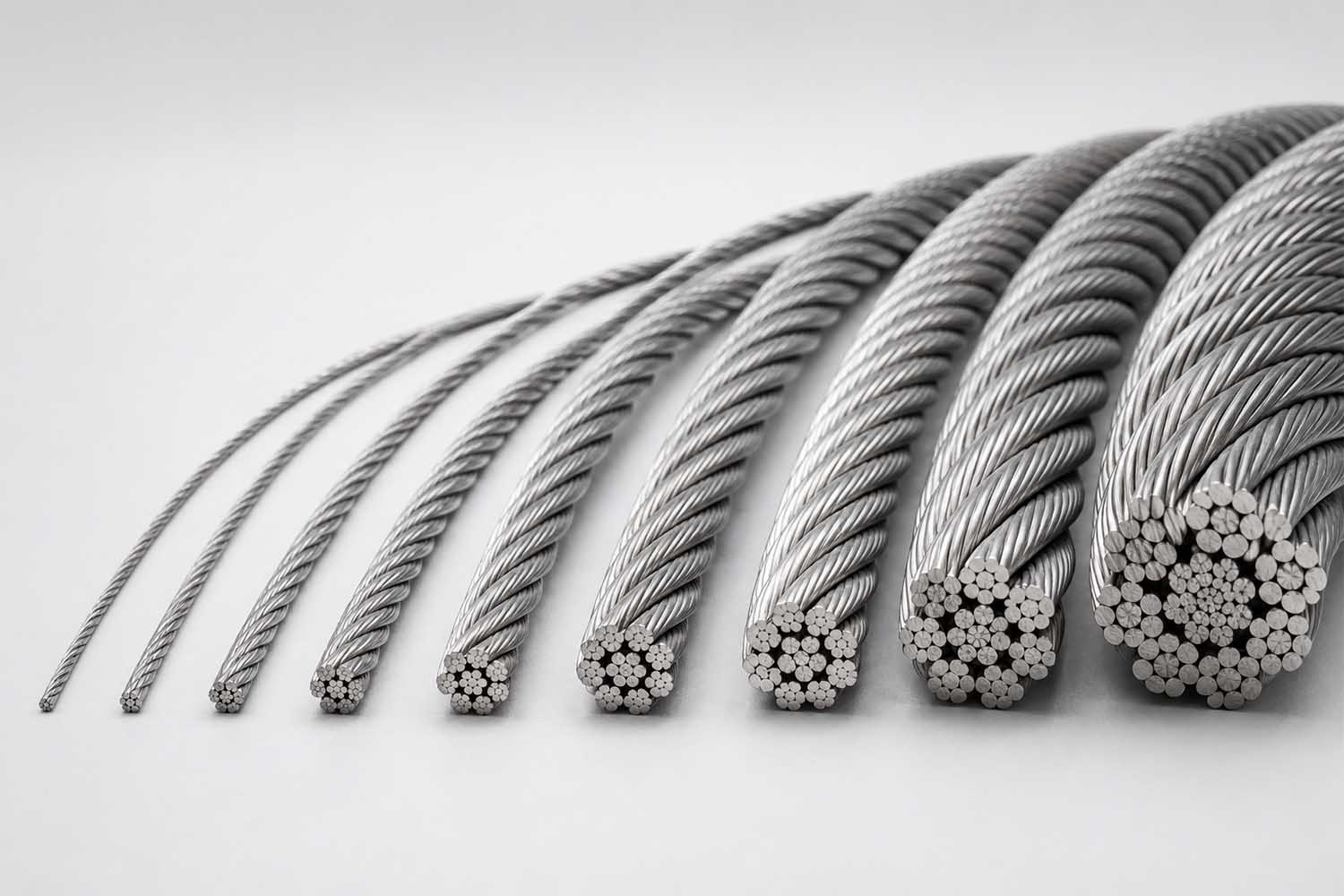
Once you know your pulley limits, you must decide on the exact thickness. When an engineer decides on an 8mm, 10mm, or 13mm elevator wire rope gauge, they are looking at three main factors:
- The Maximum Cabin Weight: A heavy cargo lift needs a much thicker elevator steel rope to hold the massive weight without stretching safely.
- The Lift Speed: Fast-moving lifts create intense vibrations. A thicker steel wire rope for elevator traction is often needed to keep the cabin stable at high speeds.
- The Number of Ropes: You can share the load. A system using five 8mm cables might safely carry the same weight as a system using three 10mm cables.
3. Matching the Size to the Pulley Grooves
Size is not just about strength; it is about grip. The motor pulley has grooves cut into it (usually U-shaped or V-shaped).
The elevator wire ropes must sit perfectly inside these grooves. If the rope is too small for the groove, it will get crushed flat and lose its shape. If the rope is too big, it will not sink into the groove properly, causing the steel wire rope elevator system to slip dangerously. The cable size must be an exact match for the groove design.
4. Considering the Inside Construction
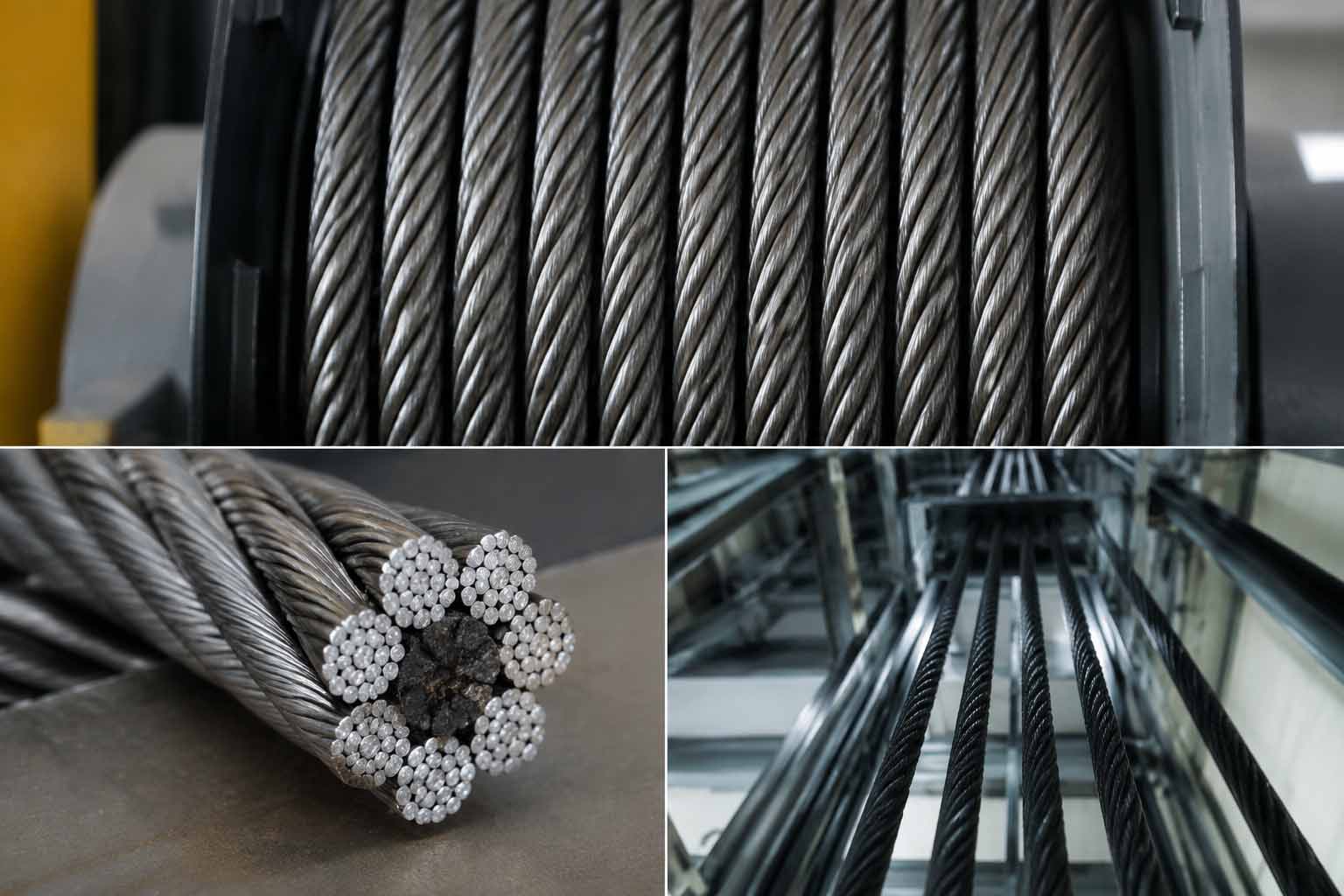
Finally, you must look inside the rope. A 10mm cable made with a few thick outer wires is very strong against rubbing, but it is stiff. A 10mm cable made with many tiny outer wires is very flexible but wears out faster. You must choose the right internal design (like Seale or Warrington) to match your chosen size.
Conclusion
Building a safe lift requires precise planning. Selecting wire rope sizes for elevator systems means perfectly balancing the weight of the cabin, the size of the motor pulley, and the shape of the grooves. By following these clear engineering rules, you guarantee that the wire rope for elevators you install will provide smooth, safe, and long-lasting performance.
Not sure which size or specification fits your exact project? Contact our engineering team today for a free consultation and a competitive quote on certified elevator cables.
Elevator Wire Rope Manufacturers: Global Brands, OEMs, and Price Factors
Types of Elevator Motors: AC, DC, Gearless & How to Choose the Right One
Related Article